





Food Wastewater Treatment
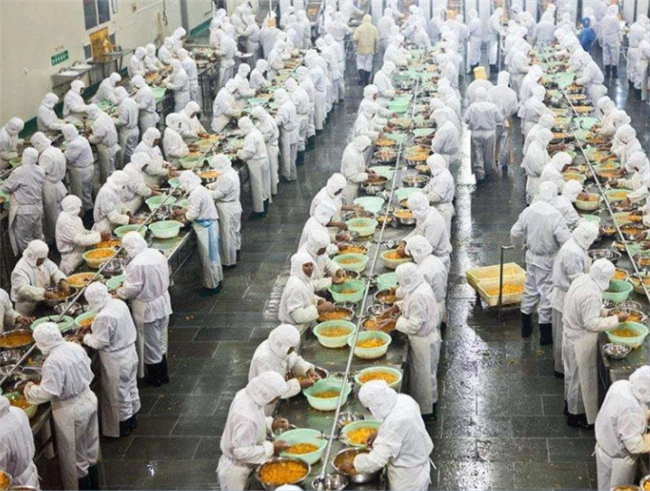
Food Wastewater Treatment Concept
Food wastewater treatment aims to remove contaminants from wastewater generated during food processing activities to meet environmental discharge standards or for potential reuse. The concept involves a series of processes that combine physical, chemical, and biological methods to purify the wastewater and reduce its negative impact on the environment.
Characteristics of Food Wastewater Treatment
High Organic Load: Food wastewater contains a large amount of organic matter, such as proteins, carbohydrates, and fats. This results in a high biochemical oxygen demand (BOD) and chemical oxygen demand (COD), which requires effective treatment methods to break down these organic compounds.
Variability in Quality and Quantity: The characteristics of food wastewater can vary significantly depending on the type of food processed, production processes, and seasonal variations. This makes it challenging to design a treatment system that can handle the fluctuating wastewater characteristics.
Presence of Suspended Solids and Grease: Food wastewater often contains suspended solids, such as food particles, packaging materials, and grease. These substances need to be removed to prevent clogging of treatment equipment and to ensure proper treatment.
Potential for High Nutrient Levels: Some food wastewaters may contain high levels of nutrients, such as nitrogen and phosphorus. If not properly treated, these nutrients can cause eutrophication in receiving water bodies.

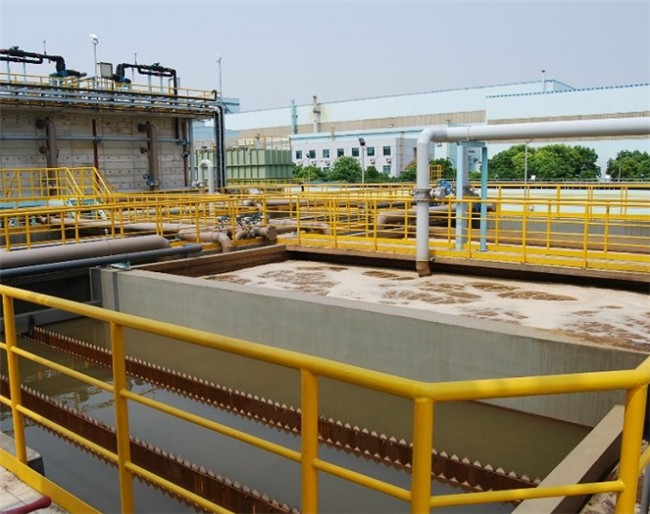
Characteristics of Food Wastewater Treatment process
Multi-Stage Treatment: Due to the complexity of food wastewater, a combination of treatment processes is often required. This may include preliminary treatment to remove large solids, followed by biological treatment to break down organic matter, and advanced treatment for further purification if necessary.
Importance of Aeration: Aeration is a crucial step in biological treatment processes for food wastewater. It provides oxygen to the microorganisms that break down organic matter, promoting their growth and activity.
Sludge Management: The treatment process generates sludge, which needs to be properly managed and disposed of. Sludge treatment may involve thickening, dewatering, and potentially further treatment or disposal methods such as land application or incineration.
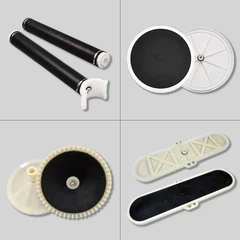
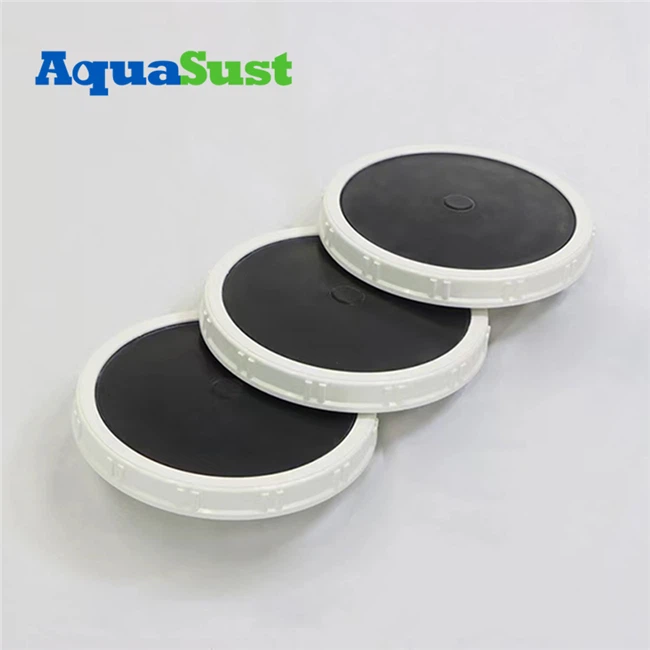
Special Requirements for Disc diffuser When Used in Biological Aeration Tanks for Food Wastewater Treatment
Resistance to Clogging: Food wastewater often contains suspended solids and grease, which can clog the disc diffuser. Therefore, the diffuser should be designed to resist clogging and be easy to clean.
Uniform Aeration: To ensure efficient biological treatment, the disc diffuser should provide uniform aeration throughout the aeration tank. This helps to maintain a consistent oxygen concentration and promotes the growth of microorganisms.
Durability: The diffuser needs to be durable and able to withstand the harsh environment of the biological aeration tank, including exposure to chemicals, high temperatures, and mechanical stress.
Energy Efficiency: Given the high energy consumption of aeration, the disc diffuser should be designed to be energy-efficient, minimizing the power required for aeration while still providing adequate oxygen transfer.
Conclusion
Food wastewater treatment is a complex and challenging task due to the unique characteristics of food wastewater. A comprehensive understanding of these characteristics and the appropriate treatment processes is essential for designing effective treatment systems. The use of disc diffusers in biological aeration tanks requires special considerations to ensure efficient aeration and reliable operation. By implementing proper treatment methods and technologies, food processing industries can reduce their environmental impact and contribute to sustainable water management.