






Pharmaceutical Industry Wastewater Treatment

Pharmaceutical industry wastewater treatment Concept
Pharmaceutical industry wastewater is highly complex, containing a wide range of chemical compounds used in the production of drugs, antibiotics, and active pharmaceutical ingredients (APIs). This wastewater may contain organic pollutants, heavy metals, antibiotics, disinfectants, solvents, and endocrine-disrupting chemicals (EDCs), many of which are not easily biodegradable. The primary goal of wastewater treatment in the pharmaceutical industry is to remove these pollutants to prevent ecological harm, meet stringent regulatory standards, and protect human health by reducing the potential for antibiotic resistance and contamination of drinking water sources.
Characteristics of Pharmaceutical industry wastewater treatment
1. High Organic Load: Pharmaceutical wastewater often contains high concentrations of dissolved organic compounds, such as APIs, by-products, and solvents. The Chemical Oxygen Demand (COD) and Biochemical Oxygen Demand (BOD) are typically elevated.
2. Presence of Toxic and Recalcitrant Compounds: The wastewater may contain toxic or bioaccumulative chemicals that are resistant to conventional biological treatment. Examples include antibiotics, hormones, and biocides that can disrupt microbial activity in treatment processes.
3. Low Biodegradability: Many compounds in pharmaceutical wastewater are resistant to biological degradation. The presence of antibiotics and antimicrobial agents can inhibit the growth of microorganisms in biological treatment systems, complicating the treatment process.
4. Fluctuations in Composition: Wastewater characteristics can vary significantly depending on the production process, batch manufacturing, and cleaning cycles. This variation in chemical composition, pH, and temperature requires adaptable treatment technologies.
5. Emerging Pollutants: Pharmaceutical wastewater often contains emerging contaminants like endocrine disruptors and micropollutants, which may not be adequately removed by conventional wastewater treatment methods. These pose risks to ecosystems and human health.

Characteristics of Pharmaceutical industry wastewater treatment process
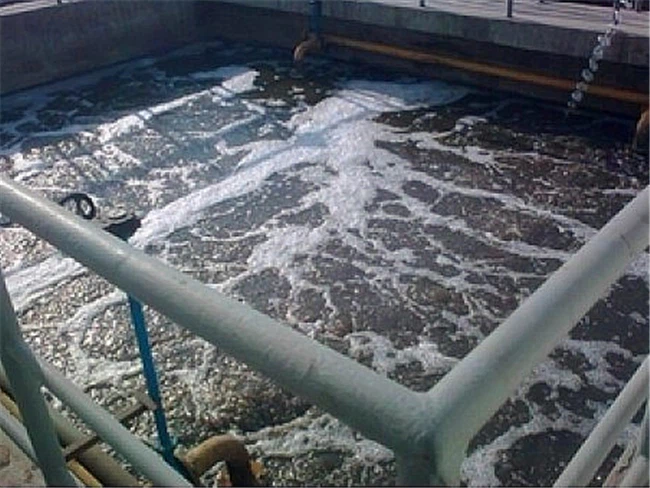
1. Preliminary and Primary Treatment: This stage typically involves physical and chemical treatment methods such as screening, sedimentation, and coagulation-flocculation to remove suspended solids, oils, and large organic molecules. Equalization tanks may also be used to homogenize the wastewater stream and reduce fluctuations in its composition.
2. Secondary Treatment (Biological Treatment): Biological processes, such as the activated sludge process or MBBR, are employed to remove biodegradable organic matter. However, pharmaceutical wastewater is often more challenging due to the presence of non-biodegradable or inhibitory compounds. Advanced MBBR systems, which provide a larger surface area for specialized microbial communities, are used to break down difficult compounds under aerobic or anaerobic conditions.
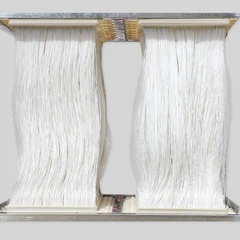
3. Tertiary Treatment and Advanced Treatment: Tertiary treatment may include advanced methods like ozonation, activated carbon filtration, membrane bioreactors (MBRs), and advanced oxidation processes (AOPs). These technologies help remove trace organic compounds, residual APIs, and other micropollutants that resist conventional treatment.
4. Sludge Handling: Wastewater treatment in the pharmaceutical industry produces significant amounts of sludge, which may contain toxic substances. Proper sludge management, including thickening, dewatering, and disposal (often incineration), is critical.
Special Requirements for MBBR media When Used in Biological Aeration Tanks for Pharmaceutical industry wastewater treatment
1. High Surface Area for Biofilm Growth: MBBR media used in pharmaceutical wastewater treatment must provide ample surface area for the attachment and growth of biofilm-forming microorganisms. Given the complex nature of pharmaceutical compounds, the media must support the development of specialized microbial communities capable of degrading these recalcitrant compounds.
2. Resistance to Toxic Shocks and Antimicrobial Agents: Due to the presence of antibiotics and toxic chemicals, the MBBR media and associated biofilm must be resistant to toxicity and maintain microbial activity despite periodic exposure to inhibitory substances. Media that fosters biofilm resilience and diverse microbial ecosystems is essential.
3. Compatibility with Aeration Systems: Proper oxygen transfer is crucial in aerobic biological treatment processes. The MBBR media should allow for efficient oxygen distribution and prevent dead zones, enabling aerobic microbes to effectively break down organic matter and micropollutants.
4. Low Fouling and Durability: The media must be resistant to fouling by pharmaceutical residues, sludge, and non-biodegradable compounds. Durable, chemically inert materials like high-density polyethylene (HDPE) are preferred to ensure long-term stability in harsh wastewater conditions.
5. Support for Degrading Recalcitrant Compounds: MBBR media should support the growth of microorganisms capable of degrading difficult, low-biodegradability compounds like antibiotics, EDCs, and solvents. Biofilm systems with high microbial diversity or those seeded with specific strains of bacteria or fungi may be beneficial.

Conclusion
Pharmaceutical industry wastewater treatment poses unique challenges due to the presence of high concentrations of toxic, recalcitrant, and low-biodegradability compounds. Treatment processes must be tailored to remove both conventional pollutants and emerging contaminants like APIs and EDCs. MBBR technology is a promising solution for biological treatment, especially in aerobic tanks, where specialized biofilms can degrade difficult compounds. The success of MBBR systems depends heavily on the media used, which must provide high surface area, resist toxic shocks, support effective oxygen transfer, and endure the harsh conditions typical of pharmaceutical wastewater. By selecting the right MBBR media and optimizing the process, pharmaceutical wastewater can be treated effectively to meet strict environmental regulations and safeguard public health.