






Brewery Wastewater Treatment
Brewery wastewater Concept
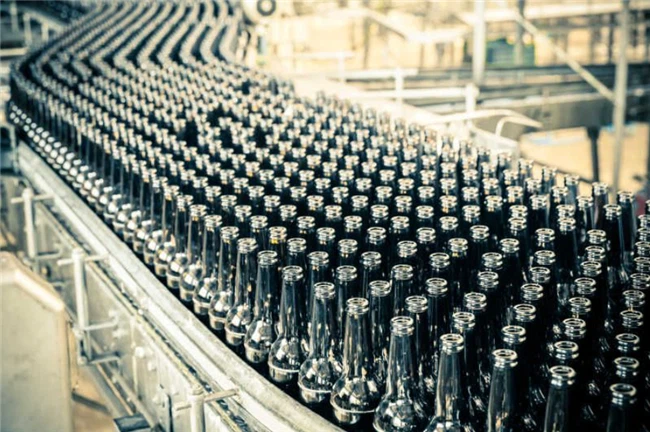
Brewery wastewater is a by-product generated from the beer brewing process. It typically contains organic compounds, nutrients, and suspended solids. The wastewater arises from various stages such as mashing, boiling, fermentation, and packaging. Due to its high organic content, brewery wastewater is characterized by a high biochemical oxygen demand (BOD), chemical oxygen demand (COD), and nutrient load, which requires effective treatment before discharge or reuse.
Characteristics of Brewery wastewater
1. High Organic Load: Brewery wastewater often contains high levels of sugars, alcohols, and volatile organic compounds, which contribute to high BOD and COD levels.
2. Variable Flow Rates: The wastewater flow rates can vary significantly depending on the brewery's production schedule, often peaking during brewing or cleaning phases.
3. Low pH: The wastewater tends to be slightly acidic due to fermentation by-products such as ethanol and organic acids.
4. Presence of Suspended Solids: Residual grains, hops, and yeast contribute to suspended solids in the wastewater.
5. Nutrients: Nitrogen and phosphorus compounds may be present in significant concentrations, requiring nutrient removal strategies.


Treatment Process Characteristics of Brewery wastewater
1. Pre-Treatment: Screens and grit removal systems are typically used to separate large solids such as grains and hops from the wastewater. Equalization tanks are often employed to manage fluctuating flows and concentrations.
2. Primary Treatment: Sedimentation and clarification steps remove settleable solids and reduce the suspended solids load.
3. Biological Treatment: Aerobic or anaerobic processes are commonly employed for organic load reduction. Aerobic treatments (such as activated sludge or MBBR) work well due to the high oxygen demand. Anaerobic processes, like anaerobic digestion, can be used to generate biogas from high COD levels.
4. Tertiary Treatment: Depending on discharge standards, additional steps such as filtration, disinfection, or nutrient removal (phosphorus and nitrogen) may be required.
Special Requirements for MBBR When Used in Biological Aeration Tanks for Brewery wastewater
1. Biofilm Carrier Design: The carriers should have high surface area for biofilm growth to efficiently treat the high BOD/COD concentrations in brewery wastewater.
2. Oxygen Supply: Since brewery wastewater has a high organic load, sufficient aeration is crucial to ensure that the microorganisms on the MBBR carriers have enough oxygen to degrade the organic compounds.
3. Handling Variable Loads: The MBBR system must be capable of adapting to variable flow rates and organic load peaks without losing treatment efficiency.

Conclusion
Brewery wastewater presents several challenges due to its high organic content, variable flows, and nutrient levels. MBBR technology can be an effective solution for treating brewery wastewater if it is designed to handle high organic loads, maintain good aeration, and support nutrient removal. Customizing the MBBR system for the specific characteristics of brewery wastewater is key to achieving stable and efficient biological treatment.