




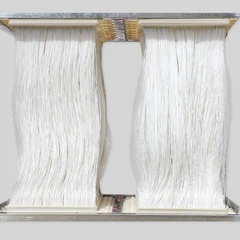


Chemical Industry Wastewater Treatment

Chemical Industry Wastewater Treatment Concept
Chemical industry wastewater contains a wide range of complex and harmful pollutants, including organic compounds, heavy metals, toxic chemicals, and high levels of suspended solids. The diversity and toxicity of these compounds make treatment difficult, requiring customized processes that often involve physical, chemical, and biological methods.
Characteristics of Chemical Industry Wastewater
1. High Concentration of Pollutants: Chemical wastewater often has high COD (Chemical Oxygen Demand) and BOD (Biological Oxygen Demand) levels due to organic and inorganic chemicals.
2. Toxic and Hazardous Substances: The wastewater can contain hazardous chemicals like phenols, cyanides, heavy metals, and ammonia, making treatment challenging.
3. Variability: The composition of chemical industry wastewater can vary significantly depending on the type of chemicals being produced or processed.
4. Refractory Pollutants: Many compounds in the wastewater are difficult to biodegrade, requiring advanced treatment methods to break them down.


Treatment Process Characteristics of Chemical Industry Wastewater
1. Pre-treatment: This involves processes like coagulation, flocculation, and sedimentation to remove large particles and reduce the load on subsequent treatment stages.
2. Advanced Oxidation: Chemical processes such as Fenton's reagent, ozone treatment, or UV/H2O2 are used to break down toxic and non-biodegradable substances.
3. Biological Treatment: Aerobic and anaerobic biological treatment processes, such as activated sludge and MBBR (Moving-Bed Biofilm Reactor), are employed to degrade organic matter. However, these methods can be less effective for refractory pollutants, and modifications like bioaugmentation or the use of specialized microbes may be needed.
4. Tertiary Treatment: Filtration, adsorption (e.g., using activated carbon), and membrane filtration may be used to remove remaining pollutants and ensure the water meets discharge standards.
Special Requirements for MBBR When Used in Biological Aeration Tanks for Chemical Industry Wastewater
1. Resilience to Toxic Pollutants: The MBBR system must be designed to handle high levels of toxic substances without damaging the biofilm on the carriers. Carrier media that can support specialized microbial communities for degrading specific toxicants are required.
2. Higher Retention Time: Chemical industry wastewater typically requires longer hydraulic and sludge retention times due to the slow biodegradation of refractory pollutants.
3. Aeration Control: The oxygen demand in chemical wastewater is high, so the MBBR system needs efficient aeration to maintain aerobic conditions. Aeration equipment must be robust and adjustable to handle fluctuating loads.
4. Biofilm Support: The carriers used in MBBR must be optimized for the particular chemical contaminants being treated. In some cases, it may be necessary to use biofilms that are augmented with specific microorganisms capable of breaking down tough chemicals.
5. Efficient COD/BOD Removal: Due to high COD/BOD concentrations, the system should be able to consistently reduce these values to acceptable levels, even when shock loads occur.

Conclusion
Treating chemical industry wastewater requires a tailored approach due to the complex nature of pollutants. While MBBR can be an effective biological treatment option, it must be specifically designed to handle high toxicity, non-biodegradable compounds, and fluctuating wastewater characteristics. Special considerations such as the choice of carrier material, retention times, and aeration systems are crucial for successful treatment.