





Garbage Leachate Treatment

Garbage leachate treatment Concept
Garbage leachate treatment is focused on dealing with the liquid that seeps out of landfills and contains a complex mixture of contaminants. The goal is to remove harmful substances and pollutants to prevent environmental pollution and ensure the leachate meets regulatory discharge standards or can be further treated for potential reuse.
Characteristics of Garbage leachate treatment
Highly Polluted: Garbage leachate is extremely contaminated with a wide range of organic and inorganic compounds, heavy metals, and pathogens. It has high levels of biochemical oxygen demand (BOD), chemical oxygen demand (COD), and ammonia nitrogen.
Variable Composition: The composition of leachate can vary significantly depending on the age of the landfill, the type of waste deposited, and environmental factors. This makes treatment more challenging as the treatment process needs to be adaptable to different compositions.
High Toxicity: The contaminants in leachate can be highly toxic and pose a significant risk to human health and the environment if not properly treated.
Low pH and High Salinity: Garbage leachate often has a low pH and high salinity, which can affect the performance of treatment processes and require specialized treatment methods.


Characteristics of Garbage leachate treatment process
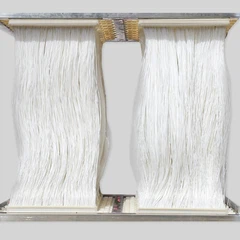
Multi-Stage Treatment: Due to the complexity of leachate, a series of treatment stages are typically required. This may include pretreatment to remove solids and adjust the pH, biological treatment to break down organic matter, and advanced treatment such as membrane filtration or chemical oxidation for further purification.
Aerobic and Anaerobic Processes: Both aerobic and anaerobic biological treatment processes can be used for leachate treatment. Anaerobic treatment is often used for older leachate with high organic load, while aerobic treatment is suitable for treating leachate with lower organic content.
Sludge Management: The treatment process generates sludge, which needs to be properly managed and disposed of. Sludge treatment may involve thickening, dewatering, and disposal methods such as landfill or incineration.
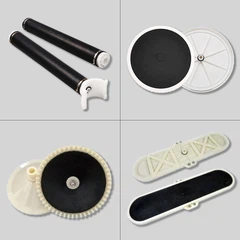
Special Requirements for Disc diffuser When Used in Biological Aeration Tanks for Garbage leachate treatment
Resistance to Corrosion: Garbage leachate is highly corrosive due to its acidic nature and the presence of various chemicals. The disc diffuser must be made of materials that are resistant to corrosion to ensure long-term durability.
High Oxygen Transfer Efficiency: Given the high oxygen demand of leachate treatment, the disc diffuser needs to have a high oxygen transfer efficiency to ensure sufficient oxygen supply for the biological treatment process.
Ability to Handle High Solids Content: Leachate often contains a significant amount of suspended solids. The diffuser should be able to handle this high solids content without clogging or reducing its performance.
Easy Maintenance: Due to the harsh environment of leachate treatment, the disc diffuser should be easy to maintain and clean to ensure reliable operation.

Conclusion
Garbage leachate treatment is a complex and critical task to protect the environment and human health. Understanding the characteristics of leachate and implementing appropriate treatment processes is essential. The use of disc diffusers in biological aeration tanks for leachate treatment requires special considerations to ensure efficient oxygen transfer and reliable operation. By addressing these challenges, we can improve the effectiveness of leachate treatment and contribute to sustainable waste management.