




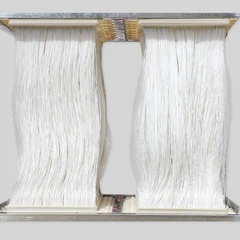


Hospital Wastewater Treatment

Hospital wastewater treatment Concept
Hospital wastewater treatment is centered around purifying the wastewater generated from various medical activities in hospitals. The objective is to remove contaminants, pathogens, and harmful substances to safeguard public health and the environment. This treatment ensures that the treated water meets regulatory standards for discharge or can be reused for certain non-potable purposes if appropriate.
Characteristics of Hospital wastewater treatment
High Pathogen Load: Hospital wastewater contains a significant amount of pathogens such as bacteria, viruses, and parasites. These pose a serious threat to public health if not properly treated.
Presence of Pharmaceuticals and Chemicals: Hospitals use a variety of drugs and chemicals, which can end up in the wastewater. This includes antibiotics, disinfectants, and other medical substances that can be difficult to remove.
Variable Flow and Composition: The flow and composition of hospital wastewater can vary depending on the size of the hospital, the types of medical procedures performed, and the time of day. This makes treatment more challenging as the system needs to be able to handle fluctuations.
High COD and BOD: Due to the presence of organic matter from medical waste and patient discharges, hospital wastewater often has high chemical oxygen demand (COD) and biochemical oxygen demand (BOD).


Characteristics of Hospital wastewater treatment process
Multi-Stage Treatment: Typically, hospital wastewater treatment involves several stages. This may include preliminary treatment to remove large solids, chemical treatment to disinfect and remove pharmaceuticals, biological treatment to break down organic matter, and advanced treatment such as filtration or disinfection for final purification.
Disinfection is Crucial: Given the high pathogen load, disinfection is a critical step in hospital wastewater treatment. Chlorination, ultraviolet (UV) disinfection, and ozone treatment are commonly used methods to kill pathogens.
Monitoring and Compliance: Regular monitoring of the treatment process is essential to ensure compliance with regulatory standards. This includes testing for pathogens, pharmaceuticals, and other contaminants.
Special Requirements for Disc diffuser When Used in Biological Aeration Tanks for Hospital wastewater treatment
Resistance to Chemicals: Hospital wastewater contains a variety of chemicals that can be corrosive. The disc diffuser must be made of materials that can withstand these chemicals to ensure long-term durability.
Efficient Oxygen Transfer: Biological treatment requires a sufficient supply of oxygen. The disc diffuser should provide efficient oxygen transfer to support the growth and activity of microorganisms that break down organic matter.
Minimal Maintenance: Due to the continuous operation of hospitals, the disc diffuser should require minimal maintenance to avoid disruptions in the treatment process.
Pathogen Resistance: The diffuser should be designed to minimize the risk of pathogen accumulation and growth to prevent recontamination of the treated water.

Conclusion
Hospital wastewater treatment is of utmost importance to protect public health and the environment. The characteristics of hospital wastewater require specialized treatment processes and attention to detail. When using disc diffusers in biological aeration tanks for hospital wastewater treatment, specific requirements must be met to ensure efficient treatment and compliance with regulatory standards. By implementing proper treatment measures, we can safely manage hospital wastewater and reduce the potential risks associated with it.