





Lab Waste Water Treatment Plants LWWTP

Lab waste water treatment plants LWWTP Concept
Lab waste water treatment plants are designed to handle the unique challenges posed by laboratory waste water. The concept is to purify the wastewater generated from various laboratory activities to meet environmental standards and protect public health. This involves a combination of physical, chemical, and biological treatment processes tailored to the specific contaminants found in lab waste water.
Characteristics of Lab waste water treatment plants LWWTP
Complex Composition: Lab waste water can contain a wide variety of contaminants, including hazardous chemicals, heavy metals, organic solvents, biological agents, and radioactive materials. The composition can vary greatly depending on the type of laboratory and the experiments being conducted.
Small Volumes but High Toxicity: Although the volume of lab waste water is typically smaller compared to other types of wastewater, it often has a high level of toxicity. Even small amounts of certain contaminants can pose a significant risk to the environment and human health.
Intermittent Discharge: Laboratory waste water is usually discharged intermittently, depending on the frequency of laboratory experiments. This can make it challenging to design a treatment system that can handle the fluctuating flow and load.
Need for Specialized Treatment: Due to the complex and hazardous nature of lab waste water, specialized treatment methods are required. These may include advanced oxidation processes, chemical precipitation, ion exchange, and biological treatment with specific microorganisms.


Characteristics of Lab waste water treatment plants LWWTP process
Preliminary Treatment: This stage typically involves the removal of large solids and debris through screening and sedimentation. In some cases, pH adjustment may also be necessary to neutralize acidic or alkaline waste water.
Chemical Treatment: Depending on the contaminants present, chemical treatment methods such as precipitation, coagulation, and flocculation may be used to remove heavy metals, organic solvents, and other chemical pollutants.
Biological Treatment: For organic contaminants, biological treatment processes such as activated sludge or biofilm reactors can be employed. However, special care must be taken to select microorganisms that can tolerate the toxic substances in lab waste water.
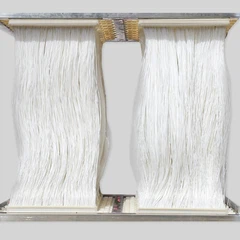
Advanced Treatment: In some cases, advanced treatment methods such as membrane filtration, reverse osmosis, or adsorption may be necessary to further purify the wastewater and meet stringent discharge standards.
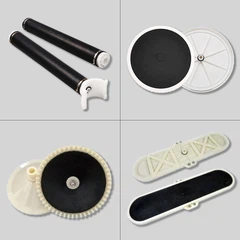
Special Requirements for Disc diffuser When Used in Biological Aeration Tanks for Lab waste water treatment plants LWWTP
Resistance to Chemicals: The disc diffuser must be made of materials that can withstand the corrosive and toxic chemicals present in lab waste water. This may include materials such as stainless steel, titanium, or specialized plastics.
Uniform Aeration: To ensure efficient biological treatment, the disc diffuser should provide uniform aeration throughout the aeration tank. This is particularly important in lab waste water treatment, where the composition and flow of the wastewater can be highly variable.
Easy Maintenance and Cleaning: Given the complex nature of lab waste water, the disc diffuser should be easy to maintain and clean. This may involve features such as removable diffuser elements or automated cleaning systems.
Compatibility with Specialized Microorganisms: If biological treatment is used, the disc diffuser should be compatible with the specific microorganisms selected for lab waste water treatment. This may require adjustments in aeration intensity and bubble size to optimize the growth and activity of the microorganisms.

Conclusion
Lab waste water treatment plants play a crucial role in protecting the environment and public health by safely treating the complex and hazardous waste water generated from laboratory activities. The characteristics of lab waste water require specialized treatment processes and equipment, including disc diffusers that are designed to meet the unique challenges of this type of wastewater. By implementing appropriate treatment measures and technologies, we can ensure that lab waste water is treated effectively and discharged in compliance with environmental regulations.