





As a blower supplier deeply entrenched in the industry, I've witnessed firsthand the profound influence that blower design exerts on its efficiency. In this blog, we'll embark on a comprehensive exploration of this intricate relationship, delving into the various design elements that can either enhance or impede a blower's performance.
Aerodynamic Design
One of the most critical aspects of blower design is its aerodynamics. The shape and configuration of the blower's impeller, housing, and inlet/outlet ports play a pivotal role in determining how efficiently it can move air or gas. A well-designed impeller, for instance, is engineered to minimize turbulence and maximize the transfer of energy from the motor to the fluid. This is typically achieved through a combination of optimized blade geometry, such as backward-curved or forward-curved blades, and precise control of the impeller's rotational speed.
The housing of the blower also has a significant impact on its aerodynamic performance. A properly designed housing can help to direct the flow of air or gas through the blower in a smooth and efficient manner, reducing energy losses due to friction and turbulence. Additionally, the size and shape of the inlet and outlet ports can affect the blower's ability to draw in and expel fluid, with larger ports generally allowing for greater flow rates but potentially sacrificing some efficiency.
Motor Efficiency
Another key factor in blower efficiency is the motor that drives it. The type, size, and quality of the motor can all have a significant impact on the blower's overall performance. For example, a high-efficiency motor will consume less electricity while delivering the same amount of power as a less efficient motor, resulting in lower energy costs and reduced environmental impact.
In addition to motor efficiency, the motor's speed control capabilities can also play a role in blower performance. Variable speed drives (VSDs) allow the motor to adjust its speed based on the specific requirements of the application, enabling the blower to operate at optimal efficiency under a wide range of conditions. This can result in significant energy savings, especially in applications where the blower operates at partial load for extended periods of time.
Material Selection
The materials used in the construction of a blower can also have a significant impact on its efficiency. For example, lightweight and durable materials such as aluminum or composite materials can reduce the weight of the blower, which in turn can reduce the amount of energy required to operate it. Additionally, materials with low friction coefficients can help to minimize energy losses due to friction, further improving the blower's efficiency.
The choice of materials can also affect the blower's resistance to corrosion and wear, which can have a direct impact on its lifespan and maintenance requirements. For example, blowers used in harsh environments such as chemical plants or wastewater treatment facilities may require materials that are resistant to corrosion and abrasion to ensure reliable operation over an extended period of time.
System Design and Integration
Finally, the overall design and integration of the blower into the larger system in which it operates can also have a significant impact on its efficiency. For example, proper duct sizing and layout can help to minimize pressure losses and ensure that the blower is able to deliver the required airflow or gas flow at the desired pressure. Additionally, the use of appropriate filters and silencers can help to improve the quality of the air or gas being delivered while reducing noise levels.
In some cases, it may be necessary to use multiple blowers in parallel or series to meet the specific requirements of the application. In these situations, careful consideration must be given to the design and control of the blower system to ensure that the blowers operate in a coordinated and efficient manner. This may involve the use of advanced control algorithms and sensors to monitor and adjust the operation of the blowers based on the specific requirements of the system.

Impact on Energy Consumption and Cost Savings
The efficiency of a blower has a direct impact on its energy consumption and operating costs. A more efficient blower will consume less electricity or other forms of energy while delivering the same amount of airflow or gas flow as a less efficient blower. This can result in significant cost savings over the lifetime of the blower, especially in applications where the blower operates continuously or for extended periods of time.
For example, in a large industrial facility, a single blower may consume thousands of kilowatt-hours of electricity per month. By upgrading to a more efficient blower, the facility could potentially save hundreds or even thousands of dollars in energy costs each month. Over the course of a year, these savings can add up to a significant amount of money, making the investment in a more efficient blower well worth it.
Impact on Environmental Sustainability
In addition to cost savings, the efficiency of a blower can also have a significant impact on environmental sustainability. By consuming less energy, a more efficient blower can help to reduce greenhouse gas emissions and other forms of pollution associated with the generation of electricity. This is particularly important in today's world, where there is a growing concern about the environmental impact of industrial activities.
Furthermore, the use of more efficient blowers can also help to reduce the demand for fossil fuels, which are finite resources that contribute to climate change. By investing in energy-efficient technologies such as blowers, companies can play a role in promoting a more sustainable future for our planet.
Impact on Performance and Reliability
In addition to energy efficiency and environmental sustainability, the design of a blower can also have a significant impact on its performance and reliability. A well-designed blower will be able to deliver the required airflow or gas flow at the desired pressure with minimal noise and vibration, ensuring reliable operation over an extended period of time.
For example, in a ventilation system, a blower that is designed to operate quietly and efficiently will provide a more comfortable and productive environment for employees. Similarly, in a wastewater treatment plant, a blower that is designed to be reliable and durable will help to ensure the proper treatment of wastewater, protecting the environment and public health.
Conclusion
In conclusion, the design of a blower has a profound impact on its efficiency, energy consumption, environmental sustainability, performance, and reliability. By carefully considering the various design elements discussed in this blog, including aerodynamic design, motor efficiency, material selection, system design and integration, and the impact on energy consumption and cost savings, companies can make informed decisions when selecting a blower for their specific application.
As a blower supplier, we are committed to providing our customers with high-quality blowers that are designed to operate at optimal efficiency and reliability. We offer a wide range of blowers to meet the specific needs of our customers, including centrifugal blowers, axial blowers, and positive displacement blowers. Our blowers are designed and manufactured using the latest technologies and materials, ensuring that they are able to deliver outstanding performance and energy efficiency.
If you are interested in learning more about our blowers or would like to discuss your specific requirements, please do not hesitate to contact us. We would be happy to provide you with more information and help you select the right blower for your application. Together, we can work towards a more efficient and sustainable future.
References
- ASHRAE Handbook - HVAC Systems and Equipment. American Society of Heating, Refrigerating and Air-Conditioning Engineers, Inc.
- Fluid Mechanics and Thermodynamics of Turbomachinery. S. L. Dixon.
- Industrial Ventilation: A Manual of Recommended Practice. American Conference of Governmental Industrial Hygienists.
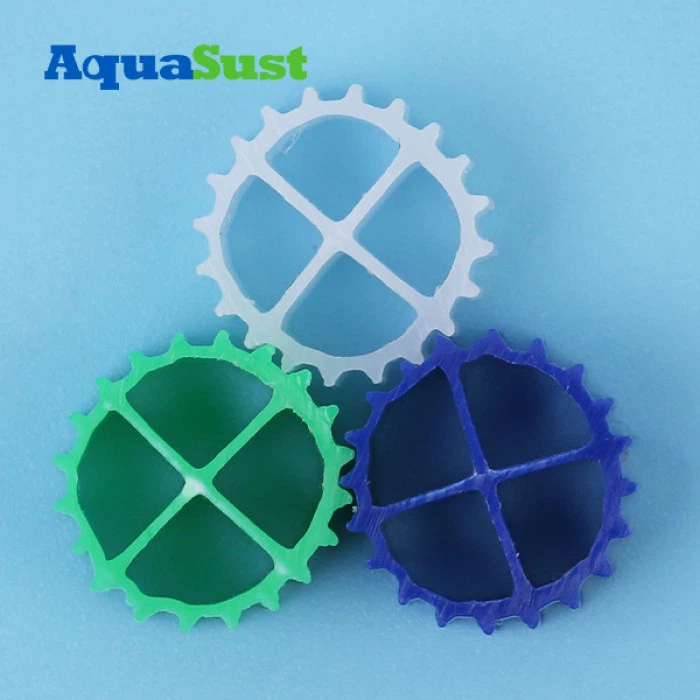
If you're looking for high - quality blowers for your aquaculture needs, you might also be interested in MBBR Media AS - MBBR04 For Aquaculture. Our team of experts is ready to assist you in finding the perfect blower solution for your project. Whether you have questions about blower design, efficiency, or performance, we're here to help. Reach out to us to start a fruitful procurement discussion and take your operations to the next level.