





Introduction
As wastewater discharge standards continue to tighten, many treatment plants are finding that the capacity of their existing aeration tanks is approaching its limit. Whether MBBR media can be added to existing aeration tanks without constructing new tanks has become a common concern for operators. This article will analyze the feasibility and implementation conditions of adding MBBR media to existing aeration tanks.
What Is MBBR Media and How Does It Work in Aeration Tanks
MBBR (Moving Bed Biofilm Reactor) media are specially designed plastic carriers with numerous micro-pores and grooves on their surface, providing space for microorganisms to attach and grow. In aeration tanks, these carriers move freely with the water flow or aeration, allowing microorganisms to form biofilms on their surfaces. Microorganisms within the biofilms degrade organic matter and pollutants in the water through metabolic activity, thereby contributing to wastewater treatment.

Can You Add MBBR Media to an Existing Aeration Tank?
In most cases, adding MBBR media to an existing aeration tank is feasible and is a common approach for process upgrades. For wastewater treatment plants facing insufficient treatment capacity, declining ammonia or COD removal efficiency, or space limitations that prevent building new tanks, introducing MBBR media into the existing aeration tank can enhance biological treatment without major modifications to the tank structure.
This upgrade approach offers multiple advantages:
• Increases the effective biomass in the system, improving pollutant removal efficiency.
• Enhances the system's resilience to fluctuations in influent water quality and shock loads.
• Short implementation time and relatively low investment cost, making it an economical and efficient solution.

Key Technical Considerations When Adding MBBR Media to an Existing Aeration Tank
Before adding MBBR media to an existing aeration tank, we need to evaluate and design the following technical aspects:
Aeration System Compatibility
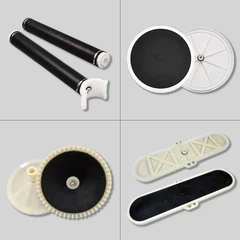
Ensure that the aeration system provides sufficient airflow or water movement to allow the added MBBR media to move freely in the tank, supporting stable biofilm growth. If necessary, adjust the aeration rate or optimize the diffuser layout.
Media Retention Measures
To prevent MBBR media from being washed out with the effluent, retention devices or screens should be installed at the tank outlet. The design should balance flow capacity with ease of maintenance.
Tank Hydraulic Conditions and Filling Ratio
The filling ratio of MBBR media is typically between 30% and 50% of the tank volume. It should be designed based on tank size, hydraulic retention time, and treatment objectives to avoid overfilling, which can negatively impact mixing and hydraulic conditions.
Sludge Management and Operational Adjustments
During the initial addition of MBBR media, the system may operate in an IFAS (Integrated Fixed-Film Activated Sludge) mode, combining suspended sludge with biofilm. Appropriate sludge management strategies should be applied to maintain sludge concentration and biofilm activity.
Conclusion
Adding MBBR media to an existing aeration tank is feasible. With proper aeration and suitable tank conditions, this modification can enhance biological treatment capacity, improve system stability, and achieve a short-term, cost-effective process upgrade.
Aquasust: Revitalize Your Existing Aeration Tanks
Aquasust provides high-quality MBBR media and professional solutions for upgrading existing aeration tanks, helping wastewater treatment plants enhance biological treatment capacity and optimize system performance.
If you would like to learn more or receive a tailored technical solution, contact Aquasust today-our expert team will provide full consultation and support throughout the process.