





Introduction
Moving Bed Biofilm Reactor (MBBR) systems are widely used in modern wastewater treatment due to their efficiency, flexibility, and compact design. At the heart of these systems is MBBR media, which directly affects biofilm growth and treatment performance. When selecting media, many buyers focus primarily on MBBR media price, aiming to reduce upfront costs. However, this approach often overlooks a critical factor: the impact of MBBR media material on durability, operational stability, and long-term cost. A lifecycle perspective reveals that lower initial cost does not always translate into better value, making material selection a key decision for sustainable system performance.
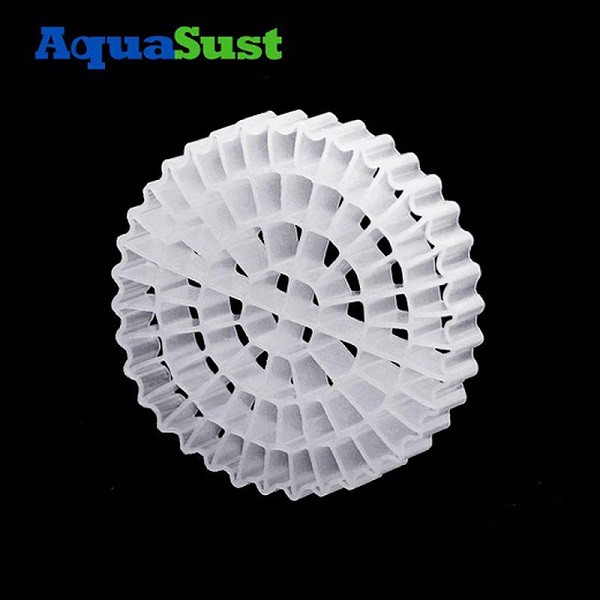
Material Fundamentals: Recycled vs. Virgin HDPE in MBBR Media
Material selection directly affects durability, structural stability, and biofilm performance. Virgin HDPE offers consistency and reliability, while recycled materials may introduce variability that impacts long-term operation.

Virgin HDPE
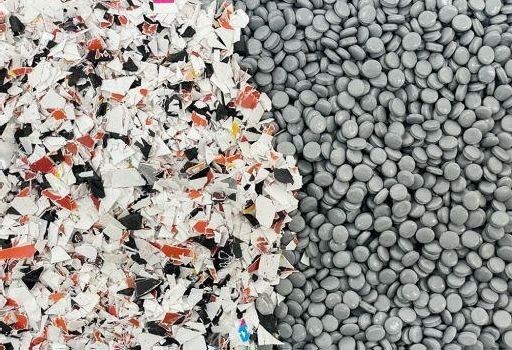
Recycled HDPE
Lifecycle Cost Breakdown: Beyond the Initial Price
A true cost assessment requires looking beyond upfront pricing to understand how media performance influences total system expenses over time.
Total Cost of Ownership vs Initial Investment
While the initial MBBR media price is an important consideration, it represents only a portion of the total investment. A comprehensive evaluation should include service life, operational stability, maintenance requirements, and potential risk-related costs. Media with lower upfront pricing may appear cost-effective initially, but can lead to higher cumulative expenses if performance limitations result in increased operational intervention or system inefficiencies.
Service Life and Replacement Impact
Service life plays a critical role in determining overall project economics. Media with higher durability can operate reliably over extended periods, reducing the frequency of replacement. In contrast, materials prone to degradation may require earlier replacement cycles, incurring additional costs for procurement, labor, system downtime, and reinstallation. Over time, these repeated interventions significantly increase total lifecycle cost.
Maintenance and Hidden Operational Costs
Material quality directly affects maintenance intensity and operational stability. Lower-quality media may experience deformation or uneven wear, disrupting reactor performance and requiring more frequent inspection and adjustment. In addition, inconsistent media behavior can lead to higher energy consumption and increased process control requirements. These hidden costs are often underestimated during procurement but can substantially impact long-term operational efficiency.
Performance Risks That Drive Long-Term Costs
Material-related performance risks often emerge during operation, directly affecting system stability and increasing long-term costs.

Structural Degradation Under Continuous Operation
In MBBR systems, media are constantly subjected to aeration, collision, and hydraulic forces. Under these conditions, materials with lower structural integrity are more susceptible to cracking, deformation, or gradual material loss. As degradation progresses, the effective surface area available for biofilm growth decreases, directly reducing treatment efficiency and accelerating the need for replacement.
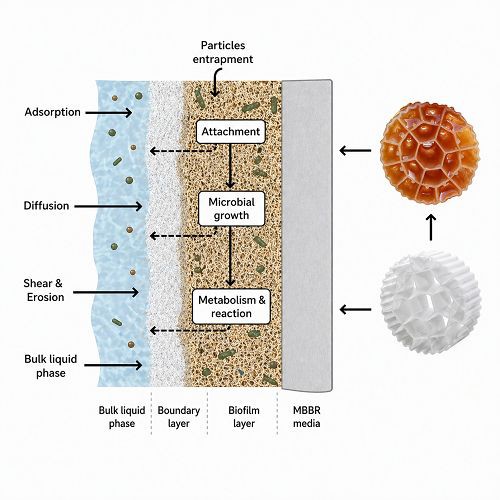
Biofilm Instability and Treatment Fluctuation
A stable biofilm is essential for consistent biological treatment. Variations in MBBR media material can lead to uneven surface characteristics, which in turn affect microbial attachment and growth. This may result in biofilm that is too thin, too thick, or prone to detachment, causing fluctuations in treatment efficiency. Inconsistent biofilm behavior often requires additional system adjustments and increases operational complexity.

Process Reliability and Compliance Risks
Unstable performance can ultimately affect effluent quality, increasing the risk of failing to meet discharge standards. For municipal and industrial wastewater facilities, this can lead to regulatory penalties, reputational damage, and additional operational costs. Frequent monitoring, troubleshooting, and corrective actions further increase workload and reduce overall system reliability.
Why High-Quality Virgin HDPE MBBR Media Delivers Better ROI
When evaluated from a lifecycle perspective, the advantages of virgin HDPE become clear in both operational reliability and cost efficiency.
Stable Structure for Extended Service Life
High-quality virgin HDPE media maintains its structural integrity even under continuous operation, reducing the risk of breakage and ensuring consistent performance over time. This durability minimizes replacement frequency and supports long-term system stability.
Consistent Biofilm for Predictable Performance
High-quality virgin HDPE media maintains its physical integrity under continuous operation, reducing the risk of breakage and minimizing replacement frequency.
Lower Operational Complexity
Uniform surface properties create a stable environment for microbial growth, supporting reliable pollutant removal and consistent system behavior.
Conclusion
Selecting MBBR media based solely on upfront price can lead to higher long-term costs and operational risks. While recycled materials may offer short-term savings, their variability and lower durability often result in increased maintenance, performance instability, and more frequent replacement. A lifecycle perspective makes it clear that true value lies not in initial cost, but in stable performance, long service life, and reliable system operation.
Looking for a Reliable MBBR Media Manufacturer?
Choosing the right partner is just as important as selecting the right material, as an experienced manufacturer can ensure consistent quality, optimized structural design, and reliable long-term performance across different wastewater treatment applications. As a professional MBBR media manufacturer, Aquasust focuses on producing high-quality biofilm carriers using carefully selected HDPE materials and precision manufacturing processes, with a strong emphasis on durability, structural stability, and application adaptability for both municipal and industrial wastewater systems. Working with a reliable supplier helps reduce operational risks and improve overall project performance-contact us today to discuss your requirements and explore customized MBBR media solutions.