





Introduction
Maintaining stable biofilm conditions is critical for the efficiency of Moving Bed Biofilm Reactor (MBBR) systems. However, operators often face challenges such as overly thick biofilm, insufficient biofilm growth, or unexpected sloughing. Rapid on-site diagnosis and the right media selection are essential to ensure consistent treatment performance and system stability.
What is Biofilm?
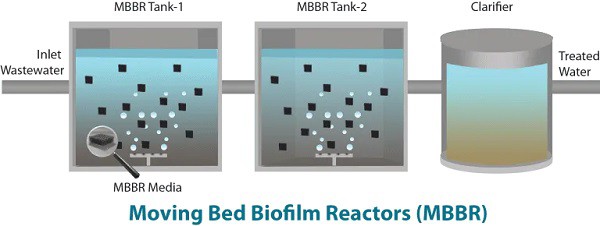
Biofilm is a complex aggregation of microorganisms that attaches to surfaces and grows within a self-produced extracellular matrix. In MBBR systems, biofilm forms on the surface of carrier media, where bacteria and other microorganisms work together to break down organic pollutants in wastewater. This biological layer is essential for treatment performance, as it provides a stable environment for microbial activity. A well-balanced biofilm ensures efficient degradation of contaminants, while imbalances in thickness or structure can directly impact oxygen transfer, nutrient availability, and overall system efficiency.
Advanced MBBR Media for Biofilm Stability
The performance of an MBBR system is highly dependent on the design and quality of its carrier media. High-performance MBBR media plays a crucial role in stabilizing biofilm conditions and improving overall treatment efficiency.
High Specific Surface Area for Biofilm Growth
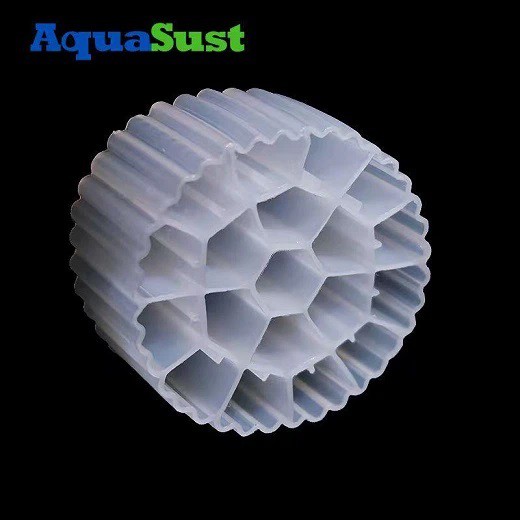
Advanced carriers provide a large specific surface area (often exceeding 650–1000 m²/m³), allowing more microorganisms to attach and form a dense, active biofilm, significantly enhancing treatment capacity.
Optimized Structure for Better Fluidity and Mass Transfer
Well-designed carriers are lightweight and have a geometry that promotes strong fluidity within the reactor. This improves oxygen transfer and ensures continuous renewal of biofilm, maintaining an effective balance between growth and shedding.
Strong Resistance to Load Fluctuations
High-quality MBBR media can withstand variations in influent water quality and flow rate, maintaining stable biofilm performance even under shock loading conditions.
Durable Material for Long-Term Operation
Typically made from high-density polyethylene (HDPE), these carriers offer excellent wear resistance, long service life, and consistent performance in demanding wastewater environments.
Causes and Signs of Biofilm Imbalance in MBBR Systems
Biofilm condition directly affects biological treatment efficiency, and different imbalances usually point to specific operational issues. Understanding these conditions in detail helps operators quickly diagnose problems and take corrective actions to maintain system stability.
Biofilm Too Thick
Excessive biofilm growth is often caused by high organic loading, insufficient shear force, or inadequate aeration. This can limit oxygen transfer to deeper layers, resulting in reduced microbial activity and lower treatment efficiency. In severe cases, inner biofilm layers may become anaerobic, leading to incomplete degradation and potential odor issues, further affecting overall system performance.
Biofilm Too Thin
Insufficient biofilm development may result from low nutrient levels, excessive turbulence, or poor carrier performance. Thin biofilms reduce the overall biomass in the system, weakening pollutant removal capacity. This condition often leads to unstable treatment results, especially when influent load increases, as the system lacks sufficient microbial population to handle fluctuations.
Biofilm Sloughing
Sudden biofilm detachment is typically triggered by hydraulic shocks, drastic load changes, or unstable environmental conditions. This can lead to fluctuations in effluent quality and system instability. Frequent sloughing may also indicate an imbalance between biofilm growth and shear forces, requiring adjustments in aeration, flow conditions, or carrier selection to restore equilibrium.
Solutions for Biofilm Conditions in MBBR Systems
Addressing biofilm imbalance requires a combination of operational adjustments and the use of optimized carrier media. By fine-tuning process conditions and selecting appropriate media, operators can restore balance and maintain stable system performance.
Solutions for Thick Biofilm
Increase aeration intensity or mixing to enhance shear force, allowing excess biofilm to detach naturally while maintaining active microbial layers. Proper carrier movement helps prevent overgrowth and ensures that biofilm remains at an optimal thickness for efficient oxygen transfer and microbial activity.
Solutions for Thin Biofilm
Adjust nutrient balance and reduce excessive turbulence to support microbial attachment. Selecting carriers with higher surface area can significantly improve biofilm formation and provide more space for microbial colonization, helping to rebuild sufficient biomass for stable treatment performance.
Solutions for Sloughing Biofilm
Stabilize hydraulic and organic loading conditions to avoid sudden shocks. High-quality carriers with stable structure enable faster biofilm reattachment and recovery after detachment events, helping the system return to normal operation more quickly.
Media Optimization for Long-Term Stability
Using carriers with optimized design, high surface area, and strong fluidity ensures consistent biofilm growth, improves pollutant removal efficiency, and reduces the likelihood of recurring imbalance issues, supporting long-term operational reliability.
Conclusion
Biofilm imbalance-whether too thick, too thin, or prone to sloughing-can significantly affect the performance of MBBR systems. By understanding the causes, recognizing early signs, and applying targeted solutions, operators can maintain stable and efficient wastewater treatment. Advanced MBBR media plays a central role in this process by supporting balanced biofilm growth, improving system resilience, and enabling faster recovery. As an MBBR media manufacturer, Aquasust offers high-quality MBBR media designed for durability, efficiency, and consistent performance across various applications. Looking for high-performance MBBR media? Contact us today to learn more about our customized solutions and professional support.