

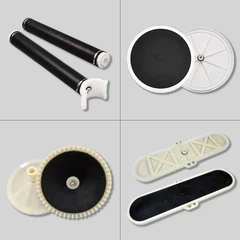


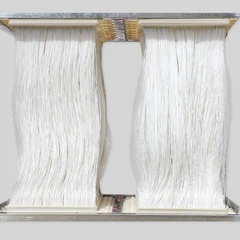


Hazardous wastewater generated from industrial activities contains various pollutants, which may harm the environment and human health. Globally, regulations now require companies to classify, collect, and dispose of hazardous waste. This article will analyze the classification and management measures of hazardous waste and tell you how to use aeration diffusers to dispose of hazardous substances in water.
Classification of Hazardous Waste
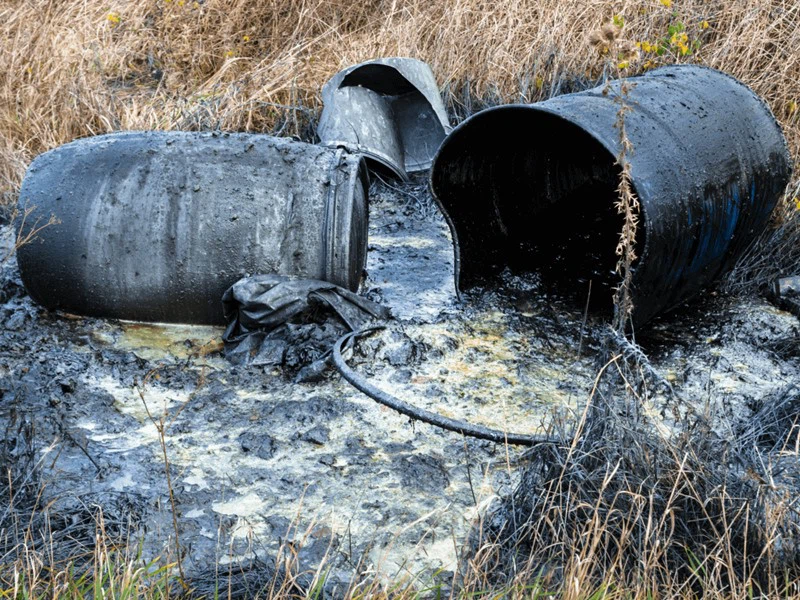
1. By Chemical Properties
• Corrosive Waste: waste acids (pH ≤ 2) and waste alkalis (pH ≥ 12.5), etc.
• Toxic Waste: including batteries containing mercury or cadmium and pesticide residues,.
• Flammable/Reactive Waste: mainly waste solvents and oils.
2. By Physical State
• Liquid Waste: the organic solvents, can be conveyed to pretreatment tanks with sewage pumps.
• Solid Waste: such as heavy metal-containing sludge.
• Gaseous Waste: including volatile organic compounds (VOCs).
3. By Source
• chemical/pharmaceutical elements.
Effective Management Measures
Safe Collection and Leak-Proof Design
• Liquid Waste Collection: Use fluoroplastic-lined sewage pumps equipped with pressure sensors to automatically close valves in case of leaks.
• Solid Packaging Standards: Heavy metal-containing sludge should be packed in double-layer HDPE anti-seepage bags, heat-sealed at the opening, and labeled with waste codes.
Key Steps in Pretreatment
• Neutralization of Acidic Wastewater: Adjust pH in two stages-first with limestone to bring pH to 4-5, then with sodium hydroxide for precise neutralization.
• Heavy Metal Removal: Treat heavy metal wastewater through coagulation sedimentation and ion exchange to remove toxicity.
• Organic Waste: Organic matter in waste should be distilled or oxidized to decompose harmful components.
Optimization of Biological Treatment Processes
• Dynamic Oxygen Supply Using Sewage Aeration Systems: For high-concentration organic wastewater (COD > 2000 mg/L), initiate pure oxygen aeration to maintain dissolved oxygen at 6-8 mg/L; switch to micro-pore aeration during low loads to reduce energy consumption.
Incineration and Compliant Disposal
• When incinerating high-concentration organic matter, control furnace temperature at ≥1100℃ for over 2 seconds to thoroughly decompose pollutants like dioxins. Ensure residues pass TCLP toxicity leachate tests before landfill. Recoverable waste (such as waste solvents) should prioritize resource extraction techniques like distillation.

Conclusion
The above content outlines the management of hazardous waste in wastewater, emphasizing the importance of classification, disposal, and technological upgrades. Through efficient coordination of equipment like sewage aeration systems and sewage pumps, companies can not only properly manage hazardous waste but also reduce energy consumption.
AquaSust: Professional Wastewater Treatment Solution Provider
As a wastewater treatment expert, AquaSust provides a full set of water treatment equipment and customized solutions for different applications. If you have any questions regarding water treatment, please feel free to contact us.