





Introduction
With the growing demand for urban sewage treatment, sewage treatment plants (STPs) face multiple challenges. MBBR media, with its advanced biological treatment technology and compact, modular design, has emerged as a reliable solution to address these challenges. This article will delve into the cost, design, and long-term benefits of MBBR media in STPs.
Cost Considerations for MBBR Systems in STPs
When implementing MBBR media in sewage treatment plants (STPs), costs can be broadly categorized into two main areas:
• Initial Investment: This includes expenses for media procurement, system installation, and reactor design optimization.
• Operational Costs: This covers energy consumption (such as aeration and motors), routine maintenance, and media replacement or replenishment.
Although the initial investment may be higher than conventional treatment methods, MBBR systems offer high treatment efficiency and durability, which can reduce long-term operational costs and improve overall return on investment.

MBBR Media Design Considerations for STPs
In sewage treatment plants (STPs), the proper design of MBBR systems is essential for ensuring high treatment efficiency and stable long-term operation. Key design considerations include:
Reactor Size and Media Volume
Determine the reactor dimensions and media fill ratio based on the treatment flow rate and pollutant load to ensure sufficient surface area for biofilm attachment while maintaining proper hydraulic circulation and avoiding dead zones.
01
Media Type Selection
Different types of MBBR media (such as K1, K3, and other designs) offer varying specific surface areas, structural strength, and porosity. Because STP influent typically carries a high pollutant load, selecting media that are resistant to fouling and aging while providing strong biofilm-forming capability helps ensure stable treatment performance.
02
Aeration and Mixing Design
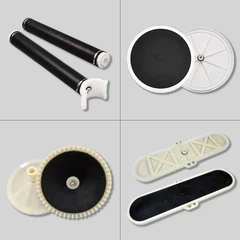
The aeration system not only supplies oxygen to support microbial activity but also drives uniform media movement within the reactor. Proper aeration rate and arrangement can improve biofilm activity, prevent packing material accumulation or water short-circuiting, thereby enhancing overall treatment efficiency.
03
Modular Layout and Expansion Flexibility
The MBBR system offers modularity, allowing designers to reserve space for future expansion. Treatment capacity can be increased later by adding more media or additional reactor units to meet STP process upgrades or rising load demands.
04

What Are the Long-Term Advantages of MBBR Systems in STPs?
MBBR systems not only provide efficient wastewater treatment but also offer long-term benefits, including:
• Stable Treatment Performance: Microbial biofilms attached to the media surfaces support stable microbial communities, effectively handling fluctuations in influent quality and consistently maintaining effluent standards.
• Compact and Modular Design: With a small footprint and modular layout, MBBR systems are easy to expand or upgrade, accommodating STPs of various sizes.
• Low Maintenance Requirements: The system is highly resistant to shock loads and operational fluctuations, which helps reduce equipment maintenance frequency and operating costs.
• Sustainable Investment: High-quality MBBR media have a long service life, ensuring consistent system performance and high return on investment over time.

Conclusion
MBBR media offers an efficient, flexible, and sustainable approach for sewage treatment plants (STPs). With appropriate investment, thoughtful system design, and high-quality media selection, STPs can achieve stable operation, lower maintenance, and long-term benefits.
Aquasust: Professional MBBR Media Solutions
Choose Aquasust to access high-quality MBBR media and expert design support, helping sewage treatment plants (STPs) achieve efficient, stable operation and long-term value. Contact us today to start a customized solution.