





Introduction
The MBBR system achieves efficient wastewater treatment through the use of biofilm carriers, but during operation, common issues such as dead zones, media accumulation, and excessive aeration can occur. These problems not only reduce treatment efficiency but also increase maintenance costs. This article will explore how proper design can help avoid these challenges.

Understanding Hydrodynamic Challenges in MBBR Reactors
In an MBBR system, the flow distribution directly affects wastewater treatment performance, and several key challenges often arise:
• Dead Zones
These are areas within the reactor where the flow velocity is very low. Wastewater tends to stagnate in these zones, preventing biofilm carriers from fully contacting pollutants and reducing treatment efficiency.
• Media Accumulation
When biofilm carriers cluster or settle in certain areas, they can obstruct the flow, creating uneven hydrodynamics and lowering overall reactor performance.
• Excessive Aeration
Oxygen is essential for biofilm growth, but over-aeration not only wastes energy; it can also disturb the carriers, causing biofilm detachment or damage, which negatively impacts treatment outcomes.

Key Design Strategies for Optimized Reactor Performance
Optimizing the hydrodynamics of an MBBR system is essential for efficient wastewater treatment. The following strategies are commonly applied:
Aeration System Optimization
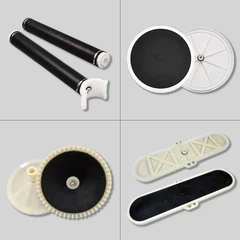
Proper placement of blowers and diffusers ensures uniform flow and balanced oxygen distribution throughout the reactor. Adequate aeration keeps the media suspended while avoiding energy waste and minimizing stress on the biofilm.
Baffle and Flow Guidance Design
Installing baffles or flow deflectors inside the reactor can improve water circulation, reduce dead zones, and prevent media from accumulating in corners or at the bottom, maintaining consistent flow patterns.
Reactor Geometry and Hydraulic Retention Time (HRT) Optimization
Designing reactor dimensions and retention time according to influent characteristics and treatment goals helps prevent short-circuiting, ensuring that each portion of wastewater receives sufficient treatment.
Media Selection and Loading
Choosing the right MBBR media specification and proper filling fractions balances treatment efficiency with media suspension. Different media densities require different aeration levels, so design must consider both performance and energy use.
Benefits of Proper Hydrodynamic Design
Optimizing the hydrodynamics of an MBBR reactor brings multiple advantages for both performance and operational efficiency:
Improved Treatment Efficiency
Uniform flow and stable media suspension ensure that all wastewater comes into full contact with the biofilm, enhancing pollutant removal.
Reduced Maintenance
By preventing dead zones and media accumulation, the system requires less cleaning and maintenance, supporting long-term stable operation.
Energy Savings
Controlled aeration meets oxygen requirements without overuse, improving energy efficiency and reducing operational costs.
Extended Media Lifespan
Consistent flow and proper suspension minimize carrier wear and biofilm detachment, prolonging the life of the MBBR media.
Conclusion
The hydrodynamic design of an MBBR reactor directly affects its performance. By optimizing flow patterns, controlling media suspension, and managing aeration distribution, dead zones, media accumulation, and excessive aeration can be effectively prevented, improving treatment efficiency, reducing energy consumption, and maintaining stable system operation.
Aquasust: Professional MBBR Solutions
With over 20 years of experience in designing and manufacturing MBBR media, Aquasust provides high-performance biofilm carriers and customized hydrodynamic optimization solutions to help reactors operate efficiently and reliably. To learn more about our products and services, please feel free to contact us.