





Hey there! As a blower supplier, I get asked a lot of questions, and one that pops up quite often is, "Can a blower be repaired?" Well, let's dive right into this topic and find out.
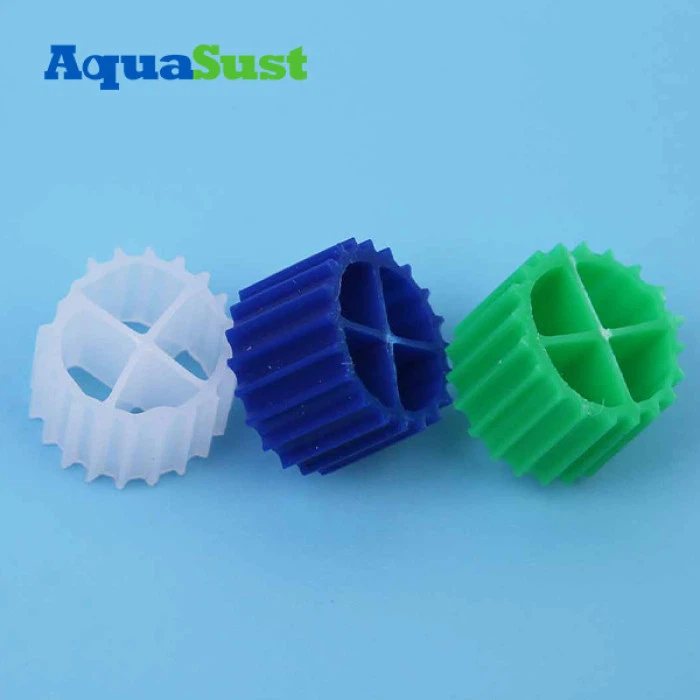
First off, let me tell you a bit about blowers. These nifty machines are used in all sorts of industries. From wastewater treatment plants to aquaculture farms, blowers play a crucial role in keeping things running smoothly. In aquaculture, for example, they help oxygenate the water, which is super important for the health of the fish and other aquatic creatures. And speaking of aquaculture, if you're in the industry, you might be interested in MBBR Media AS - MBBR04 For Aquaculture. It's a great product that works hand - in - hand with blowers to create a healthy environment for your aquatic friends.
Now, back to the main question: can a blower be repaired? The short answer is yes, in most cases. But it depends on a few factors.
Factors Affecting Blower Repairability
1. Type of Blower
There are different types of blowers out there, like centrifugal blowers, positive displacement blowers, and axial blowers. Each type has its own set of components and working mechanisms. Centrifugal blowers, for instance, rely on centrifugal force to move air. If the impeller, which is the main rotating part, gets damaged, it might be possible to repair or replace it. Positive displacement blowers, on the other hand, work by trapping a fixed amount of air and then forcing it out. If the gears or the housing of these blowers get damaged, the repair process will be different.
2. Extent of Damage
The severity of the damage is a major factor. Minor issues like a loose belt, a clogged air filter, or a small leak can usually be fixed relatively easily. A loose belt can be tightened or replaced, and a clogged air filter can be cleaned or swapped out. But if the damage is more extensive, like a cracked housing or a severely worn - out motor, the repair might be more complicated and costly.
3. Age of the Blower
Older blowers might have parts that are no longer in production. This can make it difficult to find replacement parts, and in some cases, it might be more cost - effective to replace the entire blower rather than trying to repair it. However, if you have a well - maintained older blower and the damage is minor, it can still be worth repairing.
The Repair Process
Let's break down the typical repair process for a blower.
1. Inspection
The first step is to thoroughly inspect the blower. This involves looking at all the components, checking for signs of wear and tear, and identifying the source of the problem. A professional technician will use tools like multimeters to check the electrical components and pressure gauges to measure the air flow.
2. Diagnosis
Once the inspection is done, the technician will diagnose the problem. They'll determine whether it's a simple fix or a more complex issue. For example, if the blower is making a strange noise, the technician might find that it's due to a misaligned fan blade.
3. Repair or Replacement of Components
Based on the diagnosis, the technician will decide whether to repair or replace the damaged components. As I mentioned earlier, minor issues can often be repaired. For example, a worn - out bearing can be replaced, and a corroded pipe can be patched up. If a major component like the motor is beyond repair, it will need to be replaced.
4. Testing
After the repair or replacement, the blower needs to be tested. This ensures that it's working properly and that the problem has been resolved. The technician will check the air flow, the pressure, and the electrical connections to make sure everything is in order.
Benefits of Repairing a Blower
1. Cost - Effective
In many cases, repairing a blower is much cheaper than buying a new one. If the damage is minor, the cost of the repair can be a fraction of the cost of a new blower. This is especially important for small businesses and facilities with a tight budget.
2. Environmentally Friendly
Repairing a blower reduces waste. Instead of throwing away a perfectly good machine just because it has a small problem, we can give it a new lease on life. This is better for the environment as it reduces the amount of electronic waste that ends up in landfills.

3. Continuity of Operations
If you rely on a blower for your business operations, repairing it quickly can help you avoid downtime. For example, in a wastewater treatment plant, a malfunctioning blower can disrupt the treatment process. By getting it repaired promptly, you can keep your operations running smoothly.
When to Replace Instead of Repair
While repairing a blower is often a good option, there are times when it's better to replace it.
1. Frequent Breakdowns
If your blower has been breaking down frequently, it might be a sign that it's reaching the end of its lifespan. Continuously repairing it can end up costing more in the long run, and it can also cause disruptions to your operations.
2. Incompatibility with New Technologies
As technology advances, new blowers are becoming more energy - efficient and have better performance. If your old blower is incompatible with new control systems or energy - saving features, it might be worth investing in a new one.
3. High Repair Costs
If the cost of repairing the blower is close to or more than the cost of a new one, it makes more sense to replace it. This is especially true if the blower is old and has a high likelihood of future breakdowns.
So, as you can see, whether a blower can be repaired depends on several factors. As a blower supplier, I've seen all sorts of situations, and I'm here to help you make the best decision for your needs. If you're unsure whether to repair or replace your blower, feel free to reach out to me. I can provide you with expert advice and help you find the right solution.
If you're in the market for a new blower or need parts for a repair, I've got you covered. We offer a wide range of blowers and blower components to suit different applications. Whether you're in aquaculture, wastewater treatment, or any other industry that uses blowers, we can help you find the perfect fit. So, don't hesitate to contact me for more information or to start a procurement discussion.
References
- "Blower Technology Handbook"
- Industry research reports on blower maintenance and repair