





Can I use Bio Balls in a small aquarium?
As a supplier of Bio Balls, I often get asked whether these bio - filtration media can be used in small aquariums. It's a valid question, and the answer isn't as straightforward as a simple yes or no. Let's delve into the details to understand the viability of using Bio Balls in a small - scale aquatic setup.
What are Bio Balls?
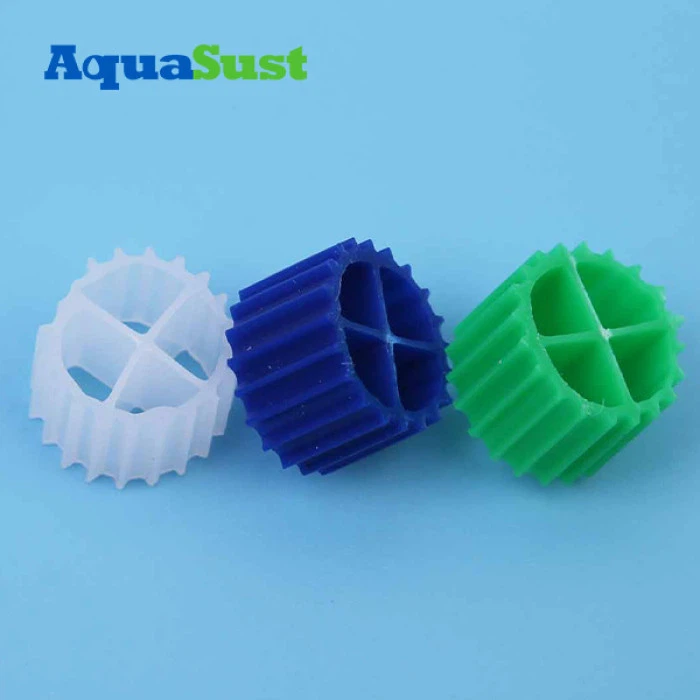
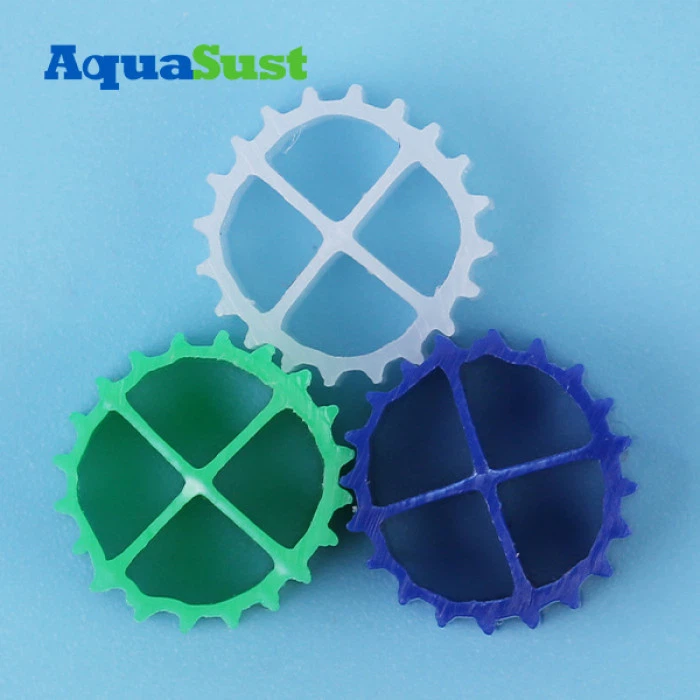
Bio Balls are a type of biological filter media commonly used in aquariums. They are typically made of plastic and have a large surface area covered in small pores and ridges. This unique design provides an ideal habitat for beneficial bacteria. These bacteria play a crucial role in the nitrogen cycle of an aquarium. They convert harmful ammonia, which is produced by fish waste and decaying organic matter, into nitrite and then further into relatively less harmful nitrate.
Advantages of Using Bio Balls in Aquariums
Before discussing their use in small aquariums, let's first understand the general advantages of Bio Balls.
Efficient Biological Filtration: The large surface area of Bio Balls allows a significant amount of beneficial bacteria to colonize. This means they can handle a relatively high bioload, breaking down ammonia and nitrite efficiently. For aquariums with a decent number of fish or those with larger fish that produce more waste, Bio Balls can be a great addition to the filtration system.
Easy to Clean and Maintain: Bio Balls are relatively easy to clean. You can simply remove them from the filter and rinse them in dechlorinated water to remove any debris that may have accumulated on their surface. This regular maintenance helps to keep the filtration system working at its best.
Long - lasting: Made of durable plastic, Bio Balls have a long lifespan. They don't break down easily over time, which means you don't have to replace them frequently, making them a cost - effective choice in the long run.

Considerations for Small Aquariums
Now, let's look at the factors specific to small aquariums when it comes to using Bio Balls.
Space Constraints: Small aquariums have limited space, both in terms of the tank volume and the filtration area. Bio Balls require a certain amount of space to be effective. If the aquarium is too small, adding a large number of Bio Balls may overcrowd the filter compartment, reducing water flow and potentially causing clogging. This can lead to poor filtration efficiency and may even harm the fish due to a build - up of harmful substances.

Bioload: The bioload in a small aquarium is usually lower compared to a large one. Small aquariums typically house a few small fish or invertebrates. In such cases, the amount of ammonia and nitrite produced may be relatively small. While Bio Balls are great for handling high bioloads, using them in a low - bioload small aquarium may be overkill. The beneficial bacteria on the Bio Balls may not have enough food (ammonia and nitrite) to sustain a large population, and this can lead to an imbalance in the nitrogen cycle.
Water Flow: Proper water flow is essential for the effective functioning of Bio Balls. In a small aquarium, it can be challenging to maintain a consistent and adequate water flow through the Bio Balls. Insufficient water flow can prevent the beneficial bacteria from coming into contact with enough ammonia and nitrite, reducing their ability to perform the necessary conversions.
When Bio Balls Can Work in Small Aquariums
Despite the challenges, there are situations where Bio Balls can be used effectively in small aquariums.
Overstocked Small Tanks: If you have a small aquarium that is slightly overstocked with fish, Bio Balls can help handle the increased bioload. For example, if you have a 10 - gallon tank with more fish than recommended for that volume, the extra biological filtration provided by Bio Balls can help keep the water quality in check.
Complex Aquascapes: In small aquariums with complex aquascapes, there may be more decaying plant matter and other organic debris. Bio Balls can assist in breaking down the additional waste produced, maintaining a healthier environment for the fish.
Alternatives to Bio Balls in Small Aquariums
If you decide that Bio Balls aren't the best fit for your small aquarium, there are other options available.
Sponge Filters: Sponge filters are a popular choice for small aquariums. They are affordable, easy to maintain, and provide both mechanical and biological filtration. The sponge provides a surface for beneficial bacteria to grow, and it also traps debris as water passes through.
Ceramic Rings: Ceramic rings are another type of biological filter media. They have a porous structure that allows beneficial bacteria to colonize. They are smaller in size compared to Bio Balls and can be a good option for small filter compartments.
Our Product: MBBR Media AS - MBBR04 For Aquaculture
If you're still considering using a biological filtration media in your small aquarium, you might want to take a look at our MBBR Media AS - MBBR04 For Aquaculture. This media is designed to provide efficient biological filtration in various aquatic setups, including small aquariums. It has a unique structure that promotes the growth of beneficial bacteria while ensuring good water flow.
Conclusion
So, can you use Bio Balls in a small aquarium? The answer is that it depends on several factors such as the tank size, bioload, and water flow. While there are challenges associated with using Bio Balls in small aquariums, they can be a viable option in certain situations. If you're unsure whether Bio Balls or our MBBR Media AS - MBBR04 is right for your small aquarium, we're here to help. We encourage you to contact us for more information and to discuss your specific needs. Our team of experts can provide you with personalized advice and guidance to ensure you make the best choice for your aquatic setup. Whether you're a beginner or an experienced aquarist, we're committed to helping you maintain a healthy and thriving aquarium. So, don't hesitate to reach out to us for procurement and further discussions.
References
- Fishkeeping World. "Aquarium Filtration: A Complete Guide."
- The Spruce Pets. "Types of Aquarium Filters."
- Practical Fishkeeping Magazine. "Biological Filtration in Aquariums."