

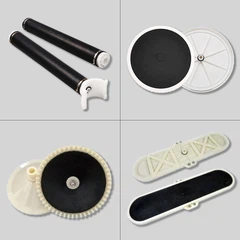




As a supplier of EPDM tube diffusers, I've had numerous conversations with customers regarding the installation process of these essential components. EPDM, or Ethylene Propylene Diene Monomer, is a synthetic rubber known for its excellent resistance to environmental factors, making it a popular choice for tube diffusers used in wastewater treatment plants, aquaculture, and other aeration applications. In this blog, I'll delve into the installation difficulty of EPDM tube diffusers, exploring the various factors that can impact the process and offering insights to help you navigate the installation successfully.
Understanding EPDM Tube Diffusers
Before we discuss the installation difficulty, it's important to understand what EPDM tube diffusers are and how they work. These diffusers consist of a porous EPDM tube that is typically mounted on a support structure, such as a pipe or a frame. When air is introduced into the tube, it passes through the pores, creating fine bubbles that rise to the surface of the liquid. These bubbles provide oxygen transfer, mixing, and agitation, which are essential for various processes, including biological treatment, odor control, and fish farming.
Factors Affecting Installation Difficulty
The installation difficulty of EPDM tube diffusers can vary depending on several factors, including the type of application, the design of the diffuser system, the site conditions, and the installer's experience. Let's take a closer look at each of these factors:
Type of Application
The type of application plays a significant role in determining the installation difficulty. For example, installing EPDM tube diffusers in a small-scale aquaculture pond may be relatively straightforward compared to a large industrial wastewater treatment plant. In a pond, the diffusers can be easily placed on the bottom using simple anchors or weights, and the air supply can be connected using flexible hoses. On the other hand, in a wastewater treatment plant, the diffusers may need to be installed in a complex network of pipes and channels, requiring precise alignment and connection to ensure proper airflow and distribution.
Design of the Diffuser System
The design of the diffuser system can also impact the installation difficulty. Some systems may require specialized tools or equipment for installation, such as pipe cutters, wrenches, or welding machines. Additionally, the layout of the system, including the number and arrangement of the diffusers, can affect the ease of installation. For example, a system with a large number of diffusers may require more time and effort to install compared to a system with a smaller number of diffusers.
Site Conditions
The site conditions where the EPDM tube diffusers will be installed can also pose challenges. Factors such as the depth of the water, the presence of debris or sediment, and the water temperature can all affect the installation process. For example, installing diffusers in deep water may require the use of specialized diving equipment or remote-controlled vehicles. Additionally, the presence of debris or sediment in the water can make it difficult to clean the diffusers and ensure proper airflow.
Installer's Experience
The installer's experience and skill level can also have a significant impact on the installation difficulty. An experienced installer who is familiar with EPDM tube diffusers and the installation process will be able to complete the installation more efficiently and effectively compared to an inexperienced installer. Additionally, an experienced installer will be able to troubleshoot any issues that may arise during the installation process and make necessary adjustments to ensure the proper functioning of the diffuser system.
Common Installation Challenges
Despite the many benefits of EPDM tube diffusers, there are several common installation challenges that you may encounter. Let's take a look at some of these challenges and how to overcome them:
Alignment and Leveling
One of the most critical aspects of installing EPDM tube diffusers is ensuring proper alignment and leveling. If the diffusers are not aligned correctly, the airflow may be uneven, resulting in poor oxygen transfer and mixing. Additionally, if the diffusers are not level, the bubbles may not rise evenly to the surface, which can also affect the performance of the system. To overcome this challenge, it's important to use a level and a measuring tape to ensure that the diffusers are installed at the correct height and angle.
Sealing and Leakage
Another common challenge is ensuring proper sealing and preventing leakage. EPDM tube diffusers are typically connected to the air supply using fittings and connectors, which can be prone to leakage if not installed correctly. To prevent leakage, it's important to use high-quality fittings and connectors and to ensure that they are tightened properly. Additionally, it's important to inspect the diffusers and the connections regularly for any signs of leakage and to make necessary repairs or replacements as needed.
Cleaning and Maintenance
EPDM tube diffusers require regular cleaning and maintenance to ensure proper functioning. Over time, the pores in the diffuser tubes can become clogged with debris and sediment, which can reduce the airflow and the performance of the system. To prevent clogging, it's important to clean the diffusers regularly using a brush or a high-pressure water jet. Additionally, it's important to inspect the diffusers for any signs of damage or wear and to replace them as needed.
Tips for Easy Installation
To make the installation process as easy as possible, here are some tips to keep in mind:
Plan Ahead
Before you begin the installation process, it's important to plan ahead and carefully review the installation instructions. Make sure you have all the necessary tools and equipment, and ensure that the site is prepared and ready for installation. Additionally, it's a good idea to create a detailed installation schedule to ensure that the installation process stays on track.
Follow the Instructions
It's important to follow the installation instructions provided by the manufacturer carefully. These instructions will provide you with detailed information on how to install the diffusers, including the proper alignment, leveling, and connection methods. Additionally, the instructions will provide you with information on how to clean and maintain the diffusers to ensure proper functioning.
Use High-Quality Materials
Using high-quality materials is essential for ensuring the long-term performance and reliability of the diffuser system. Make sure you use EPDM tube diffusers that are made from high-quality materials and that are designed to meet your specific application requirements. Additionally, use high-quality fittings and connectors to ensure proper sealing and prevent leakage.
Hire a Professional Installer
If you're not experienced in installing EPDM tube diffusers, it's a good idea to hire a professional installer. A professional installer will have the necessary skills and experience to install the diffusers correctly and to ensure that the system is functioning properly. Additionally, a professional installer will be able to troubleshoot any issues that may arise during the installation process and make necessary adjustments to ensure the proper functioning of the diffuser system.
Conclusion
In conclusion, the installation difficulty of EPDM tube diffusers can vary depending on several factors, including the type of application, the design of the diffuser system, the site conditions, and the installer's experience. While there are several common installation challenges that you may encounter, these challenges can be overcome by following the installation instructions carefully, using high-quality materials, and hiring a professional installer if necessary. By taking the time to plan ahead and ensure a proper installation, you can ensure the long-term performance and reliability of your EPDM tube diffuser system.
If you're considering purchasing EPDM tube diffusers for your application, I encourage you to contact us to discuss your specific requirements. Our team of experts can provide you with detailed information on our products, including the installation process, and can help you choose the right diffuser system for your needs. We look forward to working with you to provide you with the best possible solution for your aeration requirements.
References
- ASCE/EWRI 29-08, Standard Guidelines for the Design and Installation of Fine Pore Aeration Systems for Wastewater Treatment
- Water Environment Federation, Aeration Systems: Design, Operation, and Maintenance
- Manufacturer's installation instructions for EPDM tube diffusers