





Hey there! As a supplier of Bio Balls, I often get asked whether these little guys need to be cleaned gently to avoid killing the bacteria. Well, let's dive right into this topic and find out the answers.
First off, let's understand what Bio Balls are and why the bacteria on them are so important. Bio Balls are essentially media used in aquarium and aquaculture filtration systems. They provide a large surface area for beneficial bacteria to grow. These bacteria play a crucial role in the nitrogen cycle. In a nutshell, they convert toxic ammonia, which is produced by fish waste and decaying organic matter, into less harmful nitrites and then into nitrates. Without these bacteria, ammonia levels in the water can skyrocket, leading to stress, illness, and even death for the aquatic life in the tank.
Now, the question of cleaning. It's a bit of a double - edged sword. On one hand, Bio Balls can accumulate debris over time. This debris can include uneaten fish food, fish waste, and other organic matter. If left unchecked, this buildup can clog the pores of the Bio Balls, reducing the surface area available for the bacteria to colonize. It can also cause anaerobic pockets to form inside the Bio Balls, where harmful bacteria can thrive and produce hydrogen sulfide, a toxic gas.
So, cleaning is necessary, but how gently should it be? The bacteria on Bio Balls are delicate little organisms. They're not used to sudden changes in their environment, like a harsh scrub or a blast of chlorinated water. Chlorine, which is commonly found in tap water, is extremely toxic to these beneficial bacteria. If you use tap water to clean your Bio Balls without dechlorinating it first, you're basically signing a death warrant for the bacteria.
When it comes to the actual cleaning process, it's best to use water from the aquarium or a dechlorinated water source. You can gently swish the Bio Balls in the water to remove the loose debris. Avoid using any brushes or scrubbers that could physically damage the bacteria colonies. A gentle swishing motion is usually enough to dislodge most of the debris.
Some people might wonder if they can clean the Bio Balls more aggressively. Well, you can, but you have to be aware of the consequences. If you scrub the Bio Balls too hard, you'll definitely remove a significant portion of the bacteria. This can disrupt the nitrogen cycle in your aquarium. You might see a spike in ammonia and nitrite levels, which can be very dangerous for your fish. It can take weeks for the bacteria colonies to re - establish themselves, during which time your aquatic pets will be under stress.

Let's talk about frequency. How often should you clean your Bio Balls? This depends on a few factors, such as the size of your aquarium, the number of fish, and the amount of food you feed. In a small aquarium with a few fish, you might only need to clean the Bio Balls once every few months. In a larger aquarium or a commercial aquaculture setup, you might need to clean them more frequently, maybe once a month or so.
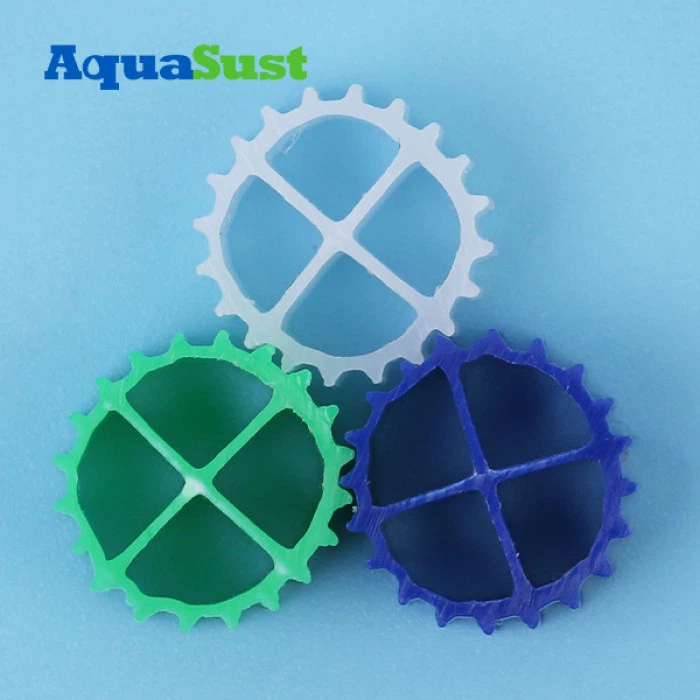
Now, I want to mention one of our great products, the MBBR Media AS - MBBR04 For Aquaculture. This is a high - quality alternative to traditional Bio Balls. It has an even larger surface area for bacteria growth and is more durable. It's designed to provide excellent biological filtration in aquaculture systems.
If you're an aquarist or involved in aquaculture, you know how important it is to maintain a healthy environment for your aquatic life. And that means taking good care of your filtration media, including Bio Balls. Whether you're a hobbyist with a small home aquarium or a professional running a large - scale aquaculture operation, the principles are the same. You need to balance the need for cleaning with the need to preserve the beneficial bacteria.
So, to sum it up, yes, Bio Balls need to be cleaned gently to avoid killing the bacteria. Use dechlorinated water, a gentle swishing motion, and be mindful of the frequency. If you have any questions about Bio Balls or our other filtration products, don't hesitate to reach out. We're here to help you keep your aquatic environment clean and healthy. Whether you're just starting out in the world of aquariums or you're a seasoned pro, we can provide you with the best solutions for your filtration needs.
If you're interested in purchasing Bio Balls or our other products, feel free to get in touch with us for a procurement discussion. We can offer you competitive prices, high - quality products, and excellent customer service. Let's work together to make your aquarium or aquaculture system the best it can be.
References
- Hargreaves, J. A., & Tucker, C. S. (2004). Water Quality for Pond Aquaculture. Kluwer Academic Publishers.
- Spotte, S. (1979). Captive Seawater Fishes: Their Selection, Maintenance, and Diseases. Wiley - Interscience.