





Do Bio Balls need to be placed in a mesh bag in the filter?
As a supplier of Bio Balls, I often receive questions from customers regarding the best practices for using these essential filtration components. One common query is whether Bio Balls should be placed in a mesh bag within the filter. In this blog post, I will delve into the science behind Bio Balls, explore the pros and cons of using a mesh bag, and provide some practical advice based on my experience in the industry.
Understanding Bio Balls
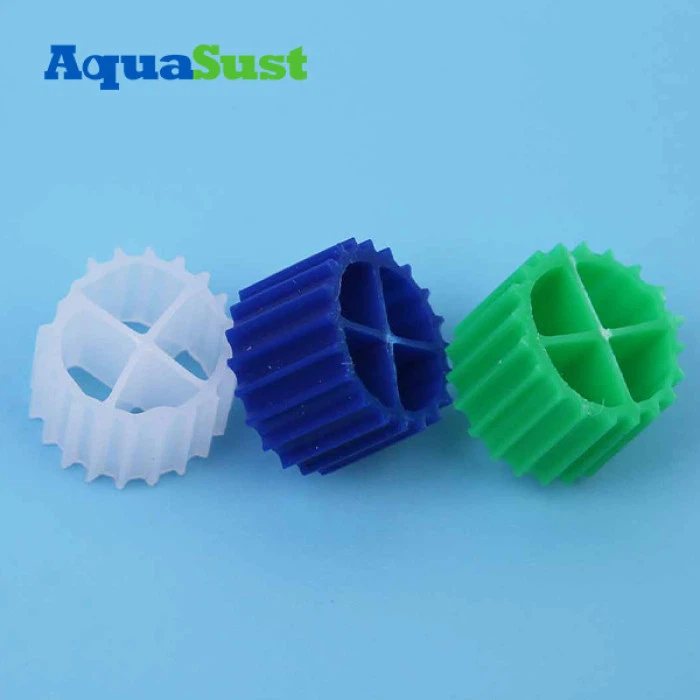
Before we discuss the use of mesh bags, let's first understand what Bio Balls are and how they work. Bio Balls are small, plastic balls with a large surface area that provide a habitat for beneficial bacteria. These bacteria play a crucial role in the nitrogen cycle, which is essential for maintaining a healthy aquatic environment.
In an aquarium or pond, fish and other aquatic organisms produce waste in the form of ammonia. Ammonia is highly toxic to fish and can cause stress, illness, and even death. Beneficial bacteria, specifically Nitrosomonas and Nitrobacter, convert ammonia into nitrite and then into nitrate, which is much less toxic. Bio Balls provide a surface for these bacteria to colonize and thrive, helping to keep the water clean and safe for aquatic life.
The Case for Using a Mesh Bag
There are several reasons why some aquarists and pond owners choose to place Bio Balls in a mesh bag within the filter.
Ease of Handling
One of the primary advantages of using a mesh bag is that it makes it easier to handle the Bio Balls. When the Bio Balls are contained in a bag, they can be easily removed from the filter for cleaning or replacement. This is especially useful in larger filters where it can be difficult to remove individual Bio Balls.
Preventing Clogging
Another benefit of using a mesh bag is that it can help prevent the Bio Balls from clogging the filter. Over time, debris and sediment can accumulate on the surface of the Bio Balls, reducing their effectiveness. By placing the Bio Balls in a mesh bag, the bag can act as a pre - filter, trapping larger particles before they reach the Bio Balls. This helps to keep the Bio Balls clean and allows water to flow freely through them.
Containment
In some cases, the mesh bag can help contain the Bio Balls within a specific area of the filter. This is particularly important in filters with complex flow patterns or in situations where the Bio Balls need to be kept separate from other filter media.
The Case Against Using a Mesh Bag
While there are some advantages to using a mesh bag, there are also some potential drawbacks that should be considered.
Reduced Surface Area
One of the main concerns with using a mesh bag is that it can reduce the effective surface area of the Bio Balls. The mesh material can block some of the water flow to the Bio Balls, preventing the beneficial bacteria from coming into contact with as much water as they would if the Bio Balls were loose. This can potentially limit the growth and activity of the bacteria, reducing the overall efficiency of the filtration system.
Mesh Degradation
Over time, the mesh bag can degrade due to exposure to water, chemicals, and mechanical stress. As the mesh breaks down, it can release small particles into the water, which can cause cloudiness and potentially harm the aquatic life. Additionally, a degraded mesh bag may not be able to effectively contain the Bio Balls, leading to them spreading throughout the filter.
Increased Maintenance
Using a mesh bag also adds an extra layer of maintenance. The bag itself needs to be cleaned regularly to prevent clogging, and if it becomes damaged, it needs to be replaced. This can add time and effort to the overall maintenance of the filtration system.
Practical Advice
So, should you place Bio Balls in a mesh bag in the filter? The answer depends on several factors, including the size and type of your filter, the amount of debris in your water, and your personal preferences.
If you have a small filter or a filter with a simple design, placing the Bio Balls in a mesh bag may not be necessary. In fact, allowing the Bio Balls to move freely in the filter can help ensure that water flows evenly around them, maximizing their surface area and the growth of beneficial bacteria.
On the other hand, if you have a large filter or a filter with a complex flow pattern, or if your water contains a lot of debris, using a mesh bag can be a good idea. Just make sure to choose a high - quality mesh bag that is resistant to degradation and to clean it regularly to maintain its effectiveness.
It's also worth noting that there are other types of filter media available that can work in conjunction with Bio Balls. For example, MBBR Media AS - MBBR04 For Aquaculture is a popular choice for many aquarists and pond owners. This media provides additional surface area for beneficial bacteria to grow and can enhance the overall performance of the filtration system.
Conclusion
In conclusion, the decision of whether to place Bio Balls in a mesh bag in the filter is not a straightforward one. There are valid arguments for both sides, and the best approach will depend on your specific circumstances. As a Bio Balls supplier, I am always here to provide you with more information and guidance to help you make the right choice for your aquatic environment.
If you are interested in purchasing Bio Balls or learning more about our products, please feel free to reach out to us. We would be more than happy to discuss your needs and help you find the best filtration solutions for your aquarium or pond.

References
- Hargreaves, J. A., & Tucker, C. S. (2004). Water quality in ponds for aquaculture. Kluwer Academic Publishers.
- Spotte, S. (1979). Captive Seawater Fishes: Their Selection, Maintenance, Nutrition, and Diseases. John Wiley & Sons.