





Hey there, fellow aquarium and aquaculture enthusiasts! As a supplier of Bio Balls, I often get asked about how they stack up against zeolite when it comes to filtration. So, I thought I'd dive deep into this topic and share my insights with you.
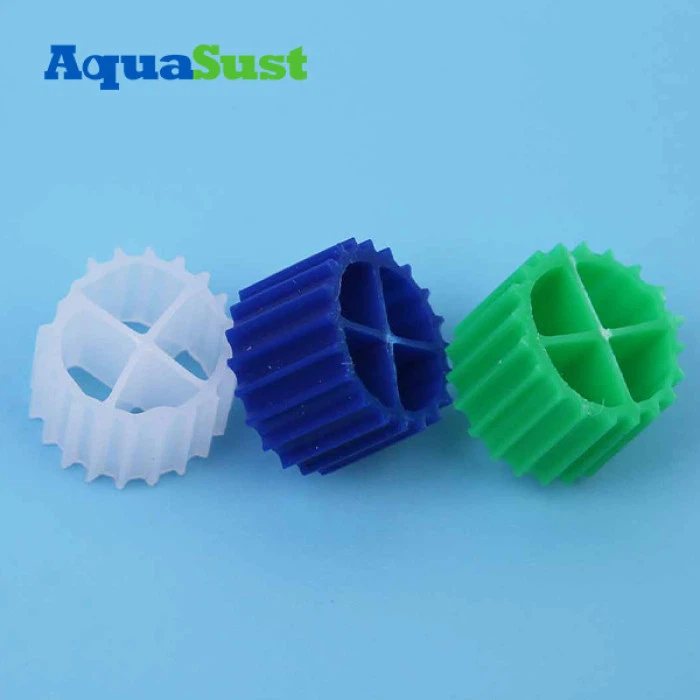

First off, let's talk a bit about what Bio Balls and zeolite are. Bio Balls are plastic balls with a large surface area, designed to provide a home for beneficial bacteria. These bacteria play a crucial role in the nitrogen cycle, converting harmful ammonia into less toxic nitrites and then into nitrates. On the other hand, zeolite is a natural or synthetic porous material that can adsorb ammonia and other impurities from the water.
One of the biggest advantages of Bio Balls is their ability to support a large population of beneficial bacteria. The intricate design of the balls creates numerous nooks and crannies where bacteria can attach and grow. This means that they can effectively break down ammonia and nitrites over a long period of time. In a well-established aquarium or aquaculture system, Bio Balls can be a key component in maintaining a stable and healthy nitrogen cycle.
For example, in a large aquaculture setup, Bio Balls can be placed in a biological filter. As water passes through the filter, the bacteria on the Bio Balls get to work, keeping the ammonia levels in check. This is especially important in systems with a high fish density, where ammonia production can be significant. You can check out MBBR Media AS - MBBR04 For Aquaculture for more advanced media options that work well with the concept of Bio Balls in aquaculture.
Now, let's look at zeolite. Zeolite's main strength lies in its adsorption capabilities. It can quickly remove ammonia from the water by trapping the ammonia molecules within its pores. This makes it a great option for short - term ammonia control, such as during the initial cycling of a new aquarium or in case of an ammonia spike.
However, zeolite has its limitations. Over time, the pores of the zeolite become saturated with ammonia, and it loses its effectiveness. When this happens, the zeolite needs to be replaced or regenerated. Regenerating zeolite can be a bit of a hassle, as it usually involves soaking it in a saltwater solution, which can be time - consuming and requires careful handling.
In terms of cost, Bio Balls are generally more cost - effective in the long run. Once you've invested in a set of Bio Balls, they can last for a long time with proper maintenance. You just need to make sure that the water flow through the Bio Balls is adequate to keep the bacteria alive and active. On the other hand, zeolite needs to be replaced or regenerated regularly, which can add up to a significant cost over time.
Another aspect to consider is the impact on water chemistry. Bio Balls have a relatively neutral effect on water chemistry. They mainly facilitate the biological processes in the water, and as long as the system is balanced, they won't cause any major changes to the pH, hardness, or other water parameters. Zeolite, however, can release some minerals into the water as it adsorbs ammonia. This can potentially affect the water chemistry, especially in sensitive aquariums where maintaining specific water parameters is crucial.
Let's talk about the physical characteristics. Bio Balls are lightweight and easy to handle. They can be easily arranged in a filter chamber to optimize water flow. Their plastic construction also makes them resistant to wear and tear. Zeolite, on the other hand, is a solid material that can be heavy, especially in large quantities. This can make it a bit more difficult to handle and install in some filtration systems.
In a freshwater aquarium, Bio Balls are a popular choice. They work well in both internal and external filters. You can use them in combination with other filter media, such as activated carbon or filter floss, to achieve a comprehensive filtration system. In a saltwater aquarium, Bio Balls can also be very effective, but you need to be careful about the growth of algae on them. Regular cleaning can help prevent excessive algae growth.
When it comes to aquaculture, Bio Balls are often preferred for their long - term performance. In a fish farm, for example, where water quality is of utmost importance, Bio Balls can provide a stable and reliable way to manage the nitrogen cycle. Zeolite might be used as a backup option during emergencies, but the continuous and long - term use of Bio Balls is more practical.
Now, if you're thinking about setting up a new filtration system or upgrading your existing one, I highly recommend considering Bio Balls. They offer a great balance of performance, cost - effectiveness, and ease of use. Whether you're a hobbyist with a small home aquarium or a professional in the aquaculture industry, Bio Balls can be a valuable addition to your filtration setup.
If you're interested in learning more about Bio Balls or are thinking about making a purchase, don't hesitate to reach out. I'm here to answer any questions you might have and help you find the right Bio Balls for your specific needs. Whether it's for a small betta tank or a large commercial aquaculture system, I've got you covered. So, let's start a conversation and see how we can improve your water filtration together!
References:
- Various aquarium and aquaculture research papers on biological filtration and water quality management.
- Manufacturer's guidelines for Bio Balls and zeolite products.