





Installing bio balls in your filter is a crucial step for maintaining a healthy and balanced aquatic environment, whether it's for an aquarium, aquaculture system, or a pond. As a supplier of high - quality bio balls, I'm here to guide you through the process, sharing my expertise and experience in the field.
Understanding Bio Balls
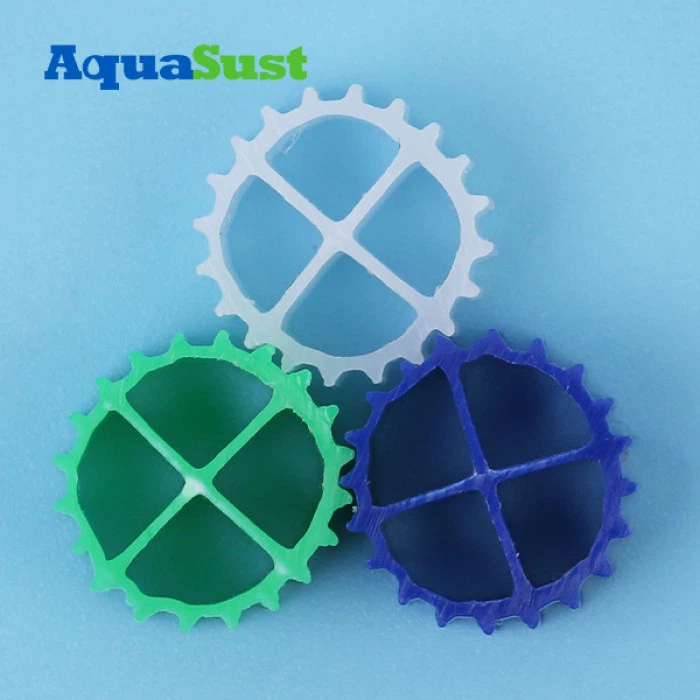
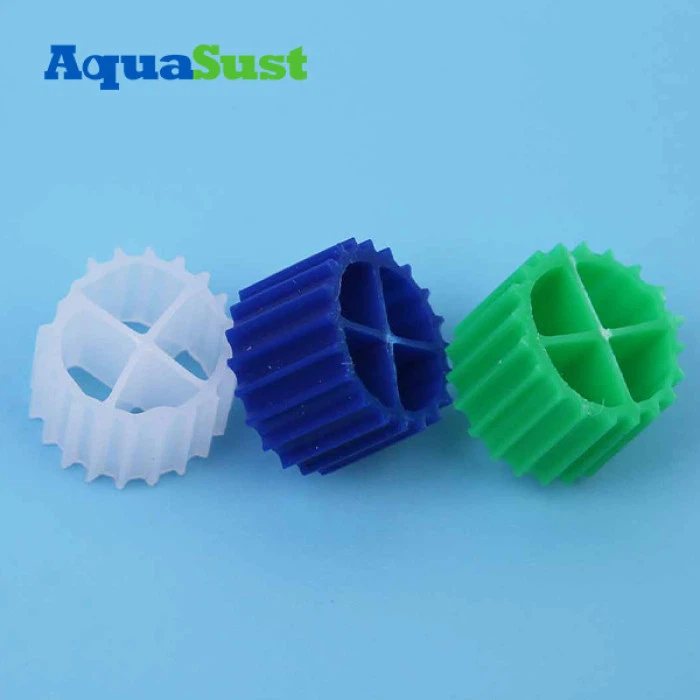
Before we dive into the installation process, it's important to understand what bio balls are and why they are so important. Bio balls are small, plastic or ceramic spheres with a large surface area. They are designed to provide a home for beneficial bacteria, which play a vital role in the nitrogen cycle. In an aquatic environment, fish and other organisms produce ammonia as a waste product. Ammonia is highly toxic to aquatic life. The beneficial bacteria that colonize the bio balls convert ammonia into nitrite and then into nitrate, which is less harmful.
Pre - installation Preparations
Selecting the Right Bio Balls
There are various types of bio balls available in the market. Consider the size of your filter and the volume of water in your system. For smaller aquariums, smaller bio balls might be more appropriate, while larger aquaculture systems can accommodate larger ones. Our bio balls are made from high - quality materials that are durable and provide an ideal surface for bacterial growth.
Cleaning the Bio Balls
Before installation, it's essential to clean the bio balls. Rinse them thoroughly with dechlorinated water to remove any dust or debris that might have accumulated during storage or transportation. This step ensures that the bio balls are ready to be populated by beneficial bacteria.
Assessing Your Filter
Take a close look at your filter. Determine the available space where you can place the bio balls. Different filters have different configurations, such as canister filters, hang - on - back filters, or sump filters. Make sure you understand how your filter works and where the bio balls can be most effectively placed.
Installation Steps
Step 1: Turn Off the Filter
Safety first! Before you start working on the filter, turn off the power supply. This prevents any accidental electrical shocks and also stops the water flow, making the installation process easier.
Step 2: Open the Filter
Depending on the type of filter you have, open it carefully. Canister filters usually have a lid that can be unscrewed, while hang - on - back filters may have a latch or a clip. Be gentle to avoid damaging any parts of the filter.
Step 3: Prepare the Filter Media Compartment
Locate the compartment where you want to place the bio balls. Some filters have multiple compartments for different types of filter media, such as mechanical, chemical, and biological media. The bio balls should be placed in the biological media compartment. If there is existing media in the compartment, you may need to remove some of it to make room for the bio balls.
Step 4: Place the Bio Balls
Gently pour the bio balls into the compartment. Try to distribute them evenly to ensure maximum surface area exposure to the water. Avoid overcrowding the compartment, as this can restrict water flow and reduce the effectiveness of the bio balls. Leave some space for water to flow freely through the bio balls.
Step 5: Reassemble the Filter
Once the bio balls are in place, carefully reassemble the filter. Make sure all the parts are properly connected and sealed. Double - check that there are no loose connections or leaks.
Step 6: Turn On the Filter
After reassembling the filter, turn on the power supply. Observe the water flow through the filter. Make sure everything is working properly and there are no abnormal noises or vibrations.
Post - installation Considerations
Bacterial Colonization
It takes time for the beneficial bacteria to colonize the bio balls. This process can take anywhere from a few days to a few weeks, depending on various factors such as water temperature, water quality, and the existing bacterial population in your system. During this time, it's important to monitor the water parameters regularly. Test for ammonia, nitrite, and nitrate levels to ensure that the nitrogen cycle is functioning properly.
Maintenance
Regular maintenance is essential to keep the bio balls working effectively. Over time, debris can accumulate on the bio balls, reducing their surface area and the efficiency of the beneficial bacteria. You can perform a gentle rinse of the bio balls every few months using water from your aquarium or system. Avoid using tap water, as the chlorine and other chemicals can kill the beneficial bacteria.
Compatibility with Other Media
Bio balls work best when used in conjunction with other types of filter media. For example, mechanical media such as filter floss can remove large particles from the water before it reaches the bio balls. Chemical media such as activated carbon can remove impurities and odors. Make sure to arrange the different types of media in the correct order in your filter for optimal performance.
Advantages of Using Our Bio Balls
Our bio balls are designed with the latest technology to provide the best possible environment for beneficial bacteria. They have a unique surface structure that maximizes the surface area for bacterial growth. Additionally, they are made from non - toxic materials that are safe for all types of aquatic life.
We also offer a wide range of bio ball sizes and configurations to suit different filter types and system sizes. Whether you have a small home aquarium or a large - scale aquaculture facility, we have the right bio balls for you.
If you are interested in exploring other options for your aquaculture system, you might want to check out MBBR Media AS - MBBR04 For Aquaculture. This product also offers excellent biological filtration capabilities and can be a great addition to your existing setup.
Contact for Procurement
If you are looking to purchase high - quality bio balls for your filter, we are here to assist you. We have a dedicated team of experts who can help you choose the right bio balls for your specific needs. Whether you are a hobbyist or a professional in the aquaculture industry, we can provide you with the best products and support. Contact us to start a procurement discussion and take your aquatic system to the next level.
References
- Spotte, S. (1979). Captive Seawater Fishes: Their Selection, Maintenance, and Behavior. John Wiley & Sons.
- Hargreaves, J. A., & Tucker, C. S. (2004). Water Quality for Pond Aquaculture. Kluwer Academic Publishers.
- Timmons, M. B., & Ebeling, J. M. (2013). Recirculating Aquaculture. Elsevier.