





Roots blowers are essential equipment in various industrial applications, known for their reliable performance and efficient air or gas delivery. As a roots blowers supplier, I understand the importance of proper installation to ensure the optimal operation of these machines. In this blog post, I will discuss the installation requirements for roots blowers, providing valuable insights for those considering purchasing and installing these units.
1. Site Selection
The first step in installing a roots blower is selecting an appropriate site. The site should meet the following criteria:
- Stable Foundation: The roots blower should be installed on a firm and level foundation to prevent vibration and ensure stable operation. A concrete base is often recommended, and its size and thickness should be determined according to the blower's specifications.
- Ventilation: Adequate ventilation is crucial to dissipate heat generated during the blower's operation. The installation site should have good air circulation to maintain a suitable operating temperature. Avoid installing the blower in a confined space or an area with poor ventilation.
- Accessibility: The installation site should provide easy access for maintenance and inspection. There should be enough space around the blower for technicians to perform routine checks, repairs, and component replacements.
- Protection from Elements: The blower should be protected from harsh environmental conditions such as rain, snow, and extreme temperatures. If necessary, install the blower in a sheltered area or use appropriate enclosures.
2. Inlet and Outlet Piping
Proper piping installation is essential for the efficient operation of roots blowers. The following points should be considered:
- Piping Size: The inlet and outlet piping should be sized correctly according to the blower's specifications. Undersized piping can cause excessive pressure drop, reducing the blower's efficiency, while oversized piping may lead to unstable airflow.
- Piping Material: Select high-quality piping materials that are suitable for the application. Common materials include steel, stainless steel, and PVC. Ensure that the piping is corrosion-resistant and can withstand the pressure and temperature requirements of the system.
- Piping Layout: The piping layout should be as straight as possible to minimize pressure drop. Avoid sharp bends, elbows, and tees, as they can cause turbulence and reduce airflow efficiency. Use flexible connectors to absorb vibrations and prevent stress on the piping system.
- Filtration: Install appropriate filters at the inlet of the blower to prevent dust, debris, and other contaminants from entering the system. Regularly clean or replace the filters to ensure optimal performance.
3. Electrical Installation
Roots blowers are typically powered by electric motors. Proper electrical installation is crucial to ensure safe and reliable operation. The following requirements should be met:
- Power Supply: Ensure that the power supply meets the blower's electrical specifications, including voltage, frequency, and phase. Use a dedicated circuit breaker or fuse to protect the motor from overloading.
- Wiring: Use high-quality electrical wiring that is sized correctly for the motor's current rating. Follow all electrical codes and regulations when installing the wiring. Ensure that the wiring is properly insulated and protected from damage.
- Grounding: Proper grounding is essential to prevent electrical shock and protect the equipment from electrical faults. Connect the motor and all electrical components to a reliable ground.
- Control Panel: Install a control panel to monitor and control the blower's operation. The control panel should include indicators, switches, and relays for starting, stopping, and adjusting the blower's speed.
4. Alignment and Coupling
Proper alignment and coupling between the blower and the motor are critical for smooth operation and long service life. The following steps should be taken:
- Alignment: Use precision alignment tools to ensure that the blower and the motor are properly aligned. Misalignment can cause excessive vibration, noise, and premature wear of the bearings and couplings.
- Coupling: Select a suitable coupling that can transmit the power from the motor to the blower efficiently. Common types of couplings include flexible couplings, rigid couplings, and fluid couplings. Ensure that the coupling is installed correctly and tightened to the recommended torque.
- Balancing: Balance the blower and the motor to reduce vibration and noise. Unbalanced components can cause excessive stress on the bearings and other parts, leading to premature failure.
5. Lubrication and Maintenance
Proper lubrication and maintenance are essential for the long-term performance of roots blowers. The following guidelines should be followed:
- Lubrication: Use the recommended lubricant for the blower's bearings and gears. Follow the manufacturer's instructions for lubrication intervals and quantities. Over-lubrication or under-lubrication can cause damage to the components.
- Maintenance Schedule: Establish a regular maintenance schedule for the blower, including inspections, cleaning, and component replacements. Regular maintenance can prevent breakdowns and extend the service life of the equipment.
- Monitoring: Install monitoring devices such as vibration sensors, temperature sensors, and pressure gauges to monitor the blower's operation. Regularly check the readings and take appropriate action if any abnormalities are detected.
6. Safety Considerations
Safety should be the top priority when installing and operating roots blowers. The following safety measures should be taken:
- Safety Guards: Install safety guards around the moving parts of the blower, such as the belts, pulleys, and couplings, to prevent accidental contact.
- Emergency Stop Button: Install an emergency stop button within easy reach of the operator. The emergency stop button should be clearly marked and easily accessible in case of an emergency.
- Training: Provide proper training to the operators on the safe operation and maintenance of the roots blower. Ensure that the operators are familiar with the equipment's safety features and procedures.
Conclusion
Proper installation of roots blowers is essential for their efficient operation, reliability, and long service life. By following the installation requirements outlined in this blog post, you can ensure that your roots blower operates smoothly and provides optimal performance. As a roots blowers supplier, I am committed to providing high-quality products and professional installation services. If you are interested in purchasing roots blowers or need more information about installation requirements, please feel free to [contact us for procurement and negotiation].

References
- Manufacturer's installation and operation manuals for roots blowers.
- Industry standards and guidelines for the installation of industrial equipment.
- Technical literature on the design and operation of roots blowers.
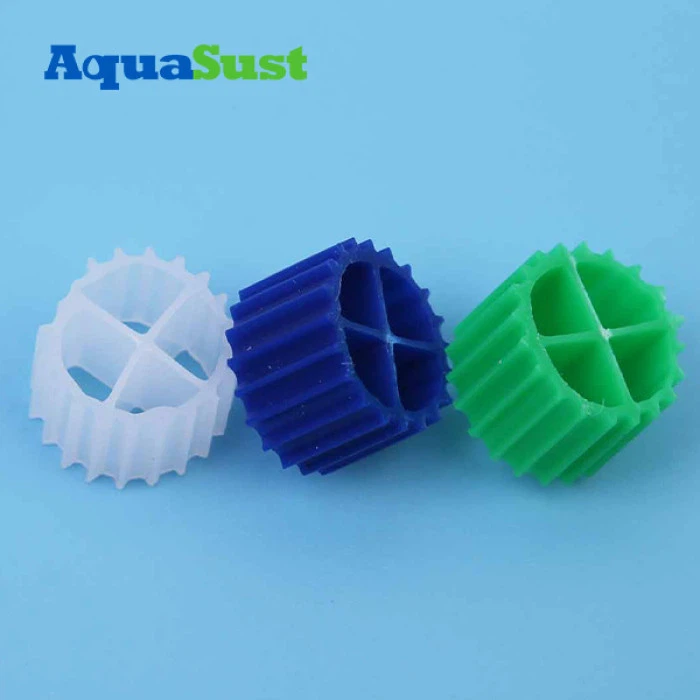
In addition, if you are looking for high-quality MBBR media for aquaculture, I recommend checking out MBBR Media AS-MBBR04 For Aquaculture. This product offers excellent performance and reliability for aquaculture applications.