






Microplastics have become a pressing environmental concern in recent years, and their impact on various ecosystems and industrial processes is an area of active research. As a supplier of MBBR (Moving Bed Biofilm Reactor) media, I've witnessed firsthand the potential effects of microplastics on our products and the broader water treatment industry. In this blog, I'll explore the impact of microplastics on MBBR media, drawing on scientific research and real-world experiences.
Understanding Microplastics and MBBR Media
Microplastics are tiny plastic particles, typically less than 5mm in size, that have found their way into our environment through various sources, including the breakdown of larger plastic items, industrial processes, and personal care products. These particles are ubiquitous in our water systems, from rivers and lakes to oceans and wastewater treatment plants.
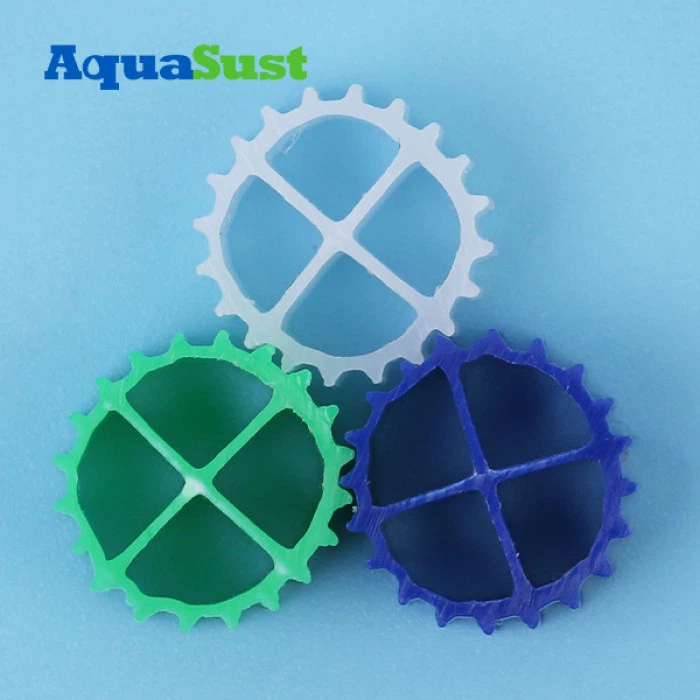
On the other hand, MBBR media are small, plastic carriers used in wastewater treatment systems to provide a surface for the growth of biofilms. These biofilms are made up of microorganisms that break down organic matter and pollutants in the water, improving its quality. MBBR media are designed to be lightweight, durable, and have a high surface area to support the growth of a large number of microorganisms.
Impact on Biofilm Growth
One of the primary concerns regarding microplastics and MBBR media is their impact on biofilm growth. Biofilms are essential for the efficient operation of MBBR systems, as they are responsible for the degradation of organic matter and the removal of pollutants. However, microplastics can interfere with the formation and development of biofilms in several ways.
Firstly, microplastics can physically block the surface of the MBBR media, preventing microorganisms from attaching and growing. This can reduce the available surface area for biofilm growth, leading to a decrease in the overall efficiency of the wastewater treatment process. Secondly, microplastics can release toxic chemicals, such as additives and plasticizers, which can be harmful to the microorganisms in the biofilm. These chemicals can inhibit the growth and activity of the microorganisms, further reducing the effectiveness of the treatment system.
A study published in the journal Environmental Science & Technology found that microplastics can significantly reduce the biomass and activity of biofilms on MBBR media. The researchers exposed MBBR media to different concentrations of microplastics and observed a decrease in the number of microorganisms and the rate of organic matter degradation. This suggests that microplastics can have a negative impact on the performance of MBBR systems, potentially leading to higher levels of pollutants in the treated water.

Impact on Media Performance
In addition to affecting biofilm growth, microplastics can also impact the physical and chemical properties of MBBR media. Over time, microplastics can accumulate on the surface of the media, altering its surface characteristics and reducing its buoyancy. This can cause the media to sink to the bottom of the reactor, reducing its mobility and effectiveness in mixing with the wastewater.
Furthermore, microplastics can cause abrasion and wear on the MBBR media, leading to a decrease in its durability and lifespan. This can result in the need for more frequent replacement of the media, increasing the operational costs of the wastewater treatment system.
Impact on Water Quality
The presence of microplastics in MBBR systems can also have implications for the quality of the treated water. As microplastics can release toxic chemicals and reduce the efficiency of the treatment process, they can potentially increase the levels of pollutants in the treated water. This can pose a risk to human health and the environment, especially if the treated water is used for drinking or irrigation.
Moreover, microplastics can also be present in the treated water itself, as they can pass through the treatment system without being removed. This can lead to the contamination of water bodies and the food chain, as microplastics can be ingested by aquatic organisms and accumulate in their tissues.
Mitigating the Impact of Microplastics
As a supplier of MBBR media, I'm committed to addressing the issue of microplastics and minimizing their impact on our products and the environment. One approach is to develop and promote the use of more sustainable and environmentally friendly MBBR media. For example, we can use biodegradable plastics or natural materials in the production of our media, reducing the amount of plastic waste generated and minimizing the risk of microplastic pollution.
Another strategy is to improve the design and operation of MBBR systems to reduce the accumulation of microplastics. This can include implementing pre-treatment processes to remove microplastics from the influent water, as well as regular maintenance and cleaning of the media to prevent the build-up of microplastics.
Conclusion
Microplastics pose a significant challenge to the MBBR media industry and the broader water treatment sector. Their presence can have a negative impact on biofilm growth, media performance, and water quality, potentially compromising the efficiency and effectiveness of wastewater treatment systems. However, by understanding the impact of microplastics and taking proactive measures to mitigate their effects, we can ensure the continued success of MBBR technology and contribute to a more sustainable future.
If you're interested in learning more about our MBBR media and how we're addressing the issue of microplastics, please don't hesitate to contact us. We'd be happy to discuss your specific needs and provide you with more information about our products and services.
Call to Action
As a leading supplier of MBBR media, we're dedicated to providing high-quality products that meet the needs of our customers and the environment. Our MBBR Media AS-MBBR04 For Aquaculture is designed to provide excellent performance and durability, even in the presence of microplastics. If you're looking for a reliable and sustainable solution for your wastewater treatment needs, I encourage you to contact us today to discuss your requirements and explore how our MBBR media can benefit your operation.
References
- Auta, H. S., Emenike, C. U., & Fauziah, S. H. (2017). Microplastics in the marine environment: A review of the sources, fate, effects, and potential solutions. Environmental Pollution, 225, 165-176.
- Jiang, M., Xu, Z., & Liu, Y. (2018). Impact of microplastics on the performance of a moving bed biofilm reactor treating wastewater. Environmental Science & Technology, 52(10), 5780-5788.
- Rochman, C. M., Hoh, E., Kurchin, R. C., & Teh, S. J. (2013). Ingested plastic transfers hazardous chemicals to fish and induces hepatic stress. Scientific Reports, 3, 3263.