





Introduction
Choosing the right disc diffuser manufacturer is not simply a purchasing decision for global buyers. It affects how efficiently your wastewater or aquaculture project will run for the next 5–10 years. From energy consumption to maintenance frequency, every aspect of the diffuser's design and the manufacturer's capabilities can influence your total cost and project success.
In this guide, we'll share practical tips for selecting disc diffuser manufacturers, helping you identify the right supplier. Let's get started!
Factors to Evaluate the Disc Diffusers


One of the first things buyers should check is the diffuser oxygen transfer performance. SOTE (Standard Oxygen Transfer Efficiency) and SOTR (Standard Oxygen Transfer Rate) directly affect energy bills. Even a small difference in efficiency, like 25% versus 30% SOTE, can mean thousands of dollars saved in blower power over the life of the system.
When comparing manufacturers, ask for real test reports under standard conditions, not just catalog claims. A trustworthy supplier will be willing to provide performance curves and pressure loss data.


The membrane material influences diffuser lifespan a lot, and not all membranes age the same way. EPDM is common and affordable, but it loses elasticity faster than others in wastewater that contains oils or chemicals. PTFE-coated membranes resist fouling better, while silicone is highly elastic and tends to last longer, even after years of continuous operation. When buying, you'd better look for data such as the membrane tensile strength, retention, and your project's actual water conditions.

Clogging is one of the biggest headaches in aeration systems. When the pores of the disc diffusers gradually block, oxygen transfer drops, and blowers work harder, raising energy costs. This is why you should pay attention to the pore design and anti-fouling treatments. For disc diffusers, membranes with pore sizes of 0.7 mm and anti-fouling surface
treatments have proven to resist sludge accumulation. Or you can ask how the membranes are treated and whether they come with field data on clogging. It's a simple question that separates experienced suppliers from those selling only low-cost copies.


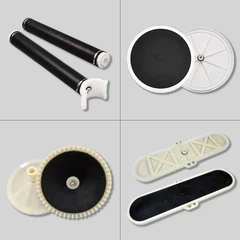
Some tanks require 9" diffusers for standard installations, while others may use 7" models for compact basins or 12" for higher airflow needs. The disc diffusers also come with different mounting styles, such as threaded or snap-on, which fit both new builds and retrofit projects. This compatibility can save you from costly design changes when working across ferent tank configurations.

Certifications such as ISO 9001, CE, RoHS, and REACH assure that products meet international benchmarks. For buyers working with municipal or government-backed projects, compliance with DIN EN 12255-15 can be a mandatory requirement.
But beyond certificates, what matters is how a manufacturer tests each batch. Typically, they will check the diffuser bubble distribution, pressure resistance, and aging before shipment. It would be better if a supplier could share third-party reports or demonstrate traceable QC processes.

Many buyers focus on unit price, but the bigger picture is lifecycle cost. A diffuser that operates with lower pressure loss may cost slightly more upfront, but will reduce blower energy over the next decade. In large-scale projects, these energy savings can far outweigh the initial purchase difference. Asking manufacturers for LCC (lifecycle cost) data is a practical way to compare real value instead of just sticker prices.
Manufacturer-Related Considerations

International buyers often face strict documentation and local compliance requirements. A manufacturer familiar with exporting to your region will already know which forms, certifications, or customs processes are needed. Besides, whether supplying municipal projects in Europe or EPC contractors in the Middle East, a supplier with overseas warehouses or local offices ensures smoother execution of your project.


Disc diffuser buyers often need more than standard products. A capable manufacturer should handle everything from design and prototyping to mass production. Their OEM/ODM services include customizing membrane thickness, logo branding, or installation fittings, which offer engineering companies differentiated solutions.


Ask how the manufacturer controls the quality of their disc diffusers. Look for manufacturers with defined processes such as IQC (Incoming Quality Control), IPQC (In-Process Quality Control), and FQC (Final Quality Control). Check whether they run 100% pressure tests on diffusers before shipping. Advanced testing, like bubble distribution analysis and accelerated aging tests, also implies the diffuser performs reliably in the field, not just in the factory.

A good supplier should offer support such as sample testing, installation guidance, or even remote troubleshooting. We've seen projects where a slight installation mistake caused reduced disc diffuser performance, but with proper training and fast feedback, issues were solved within controlled costs. This kind of backup is what makes a supplier your long-term partner.

References, client feedback, and participation in international exhibitions say a lot about a company's credibility. Some even welcome factory audits, whether through third-party organizations like BSCI or direct client visits. These signals show a reduced risk when choosing an aeration diffuser supplier.

Suppliers that invest in automated production lines, patented diffuser designs, or the use of advanced polymers are more likely to offer long-term reliability. For those aeration diffuser buyers, this innovation means access to longer-lasting products, better efficiency, and potentially lower operating costs.
Conclusion
Selecting the right disc diffuser manufacturer should not only focus on the prices, but ensuring long-term reliability, efficiency, and cost savings for your wastewater or aquaculture projects. By carefully evaluating diffuser performance, membrane quality, clogging resistance, and the manufacturer's production and service capabilities, buyers can avoid common pitfalls and choose a partner that supports both project success and business growth.
Why Choose AquaSust as Your Aeration Diffuser Manufacturer?
- Flexible Customization: Diffusers customizable in diameter over 350mm/1-50 mm bubbles/multiple membranes & body materials/custom logos/colors.
- High-Capacity Production: 21,000 m² factory with 15 automated lines to ensure fast bulk and urgent orders.
- Experienced Engineering Team: 20+ years of expertise, providing efficient, reliable wastewater solutions.
- Global Delivery & Support: Serving 80+ countries with logistics, documentation, and warranty services.
- In-House Innovation: Available exclusive membrane formulas and design capabilities through our R&D team optimize diffuser aeration.
- Proven Project Success: Rich examples in WWTPS, RAS systems, municipal, industrial, and food processing wastewater treatment projects
FAQs
Q: Which diffuser size should I choose?
Q: How long do the membranes usually last?
Q: Do disc diffusers need frequent cleaning?
Q: Can AquaSust provide customized solutions?
Looking for a Trusted Disc Diffuser Supplier?
As a leading manufacturer of disc aerators, Aquasust offers high-quality fine bubble diffusers and Coarse bubble aerator expert guidance and customized solutions to help all types of water treatment systems achieve efficient and stable operation. Contact AquaSust today to request samples, discuss your project requirements, or get a tailored quotation for your next project.