





Introduction
As the demand for wastewater treatment grows, traditional aeration methods face challenges in efficiency and energy consumption. Coarse bubble diffusers use large, fast-rising bubbles to create strong mixing, injecting "vitality" into wastewater systems and improving oxygen utilization. This article will explore how coarse bubble diffusers optimize the wastewater treatment process.
How Coarse Bubble Diffusers Work
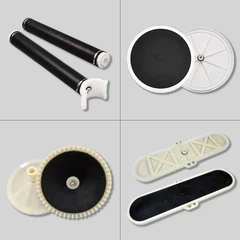
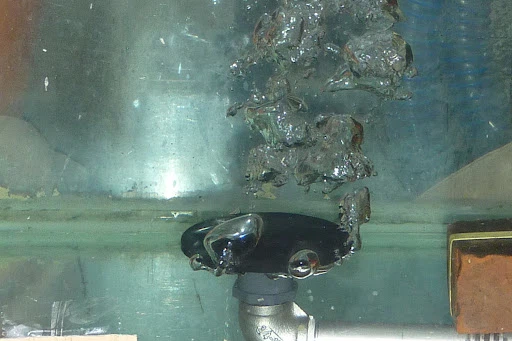
Coarse bubble diffusers deliver air from a compressor to the diffuser, producing relatively large bubbles that are evenly released into the wastewater. These bubbles rise rapidly, creating vertical circulation that accelerates oxygen dissolution and distribution. The fast-rising, wide-ranging bubbles enhance oxygen transfer efficiency while minimizing energy loss. By adjusting bubble size, airflow rate, and diffuser layout, stable and uniform oxygen delivery can be achieved, providing a good environment for microbial treatment.
Efficiency Advantages of Coarse Bubble Diffusers in Wastewater Systems
Coarse bubble diffusers provide multiple benefits that enhance wastewater treatment efficiency:
Enhanced Oxygen Distribution
The large size and rapid rise of coarse bubbles create strong circulation within the tank, allowing oxygen to penetrate the entire water body evenly. This optimizes the environment for microbial activity, promoting efficient degradation of organic matter.
01
Energy Efficiency
The rapid rise and powerful mixing of coarse bubbles enable more efficient transfer of oxygen to the water, thereby reducing the operating time and power requirements of the air compressor, achieving energy savings while ensuring system operation.
02
Improved System Stability
With a robust and durable design, coarse bubble diffusers require low maintenance, ensuring long-term stable operation and preventing equipment fluctuations from affecting aeration performance.
03
Adaptability to Variable Loads and Water Quality
By optimizing diffuser layout and airflow rates, coarse bubble diffusers can handle fluctuations in wastewater characteristics and treatment loads, maintaining consistent oxygen supply and overall system efficiency.
04
Typical Applications of Coarse Bubble Diffusers
Coarse bubble diffusers are used across a variety of wastewater treatment systems, improving water circulation and oxygen distribution to enhance overall treatment efficiency.
1. Municipal Wastewater Treatment
In municipal wastewater plants, coarse bubbles induce strong tank circulation, allowing oxygen to reach all areas efficiently and creating an optimal environment for microbial activity, which accelerates the breakdown of organic matter.
2. Industrial Wastewater Treatment
For industrial wastewater with high concentrations or complex contaminants, coarse bubbles help mix the water rapidly, reducing low-oxygen zones and ensuring consistent system performance under variable load conditions.
3. Open Aeration and Anaerobic Tanks
Within open aeration or anaerobic tanks, coarse bubble diffusers agitate settled solids to prevent sludge accumulation while enhancing oxygen distribution, supporting stable microbial activity for subsequent treatment stages.

Conclusion
Coarse bubble diffusers enhance aeration efficiency in wastewater systems by improving water circulation and ensuring uniform oxygen distribution, providing a stable environment for microorganisms.
Transform Your Aeration Process with Aquasust
Looking to boost the performance of your wastewater treatment system? Partner with Aquasust for tailored, high-efficiency aeration solutions-get in touch today to achieve reliable products and optimize your system!