





Introduction
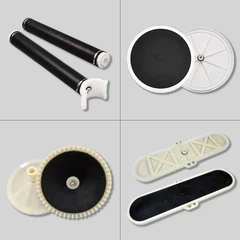
Why do some tube diffusers perform better than others under the same conditions? The secret often lies in the membrane material. Choosing the right membrane ensures optimal aeration efficiency, durability, and lower maintenance costs. In this article, we will explore various membrane types and factors to consider when selecting them.

Common Membrane Materials for Tube Diffusers
Understanding the characteristics of different membrane materials helps operators make informed decisions. The commonly used membrane materials include:
EPDM (Ethylene Propylene Diene Monomer)
EPDM is the most commonly used membrane material in tubular aerators. Its excellent flexibility and ozone resistance make it well-suited for municipal wastewater treatment. It is economical and offers stable performance. However, it may harden with long-term use and has limited chemical resistance.
01
Silicone
Silicone membranes are highly flexible and withstand higher temperatures. They ensure stable, uniform bubble formation and are well-suited for applications requiring precise aeration performance under specialized conditions.
02
TPU (Thermoplastic Polyurethane)
TPU membranes are durable and flexible, combining the elasticity of rubber with the processability of thermoplastics. They are suitable for industrial wastewater applications that require wear resistance and long-lasting performance, though they are less common than EPDM or silicone in standard tube diffusers.
03
PTFE (Polytetrafluoroethylene)
PTFE is often used as a coating on EPDM membranes to enhance chemical resistance and reduce fouling. While pure PTFE is rigid and rarely used alone in tube diffusers, PTFE-coated EPDM combines flexibility with superior chemical and temperature resistance, suitable for demanding industrial wastewater applications.
04

Key Factors to Consider When Choosing Membrane Material
When selecting a membrane tube diffuser, you should evaluate several key factors:
• Water Quality
Chemicals, suspended solids, or organic matter in water can directly affect the durability and efficiency of membranes. For example, highly corrosive or particulate-laden water can shorten the life of certain membrane materials, so membrane materials with enhanced chemical and abrasion resistance should be selected.
• Aeration Requirements
When choosing a membrane, consider the system's aeration needs. Different membranes produce bubbles of varying size and distribution, which directly impact oxygen transfer efficiency. Selecting a membrane that matches your bubble size and oxygen demand ensures optimal treatment performance and energy efficiency.
• Operating Environment
Environmental factors, including temperature fluctuations, pH levels, and cleaning or backwashing methods, influence which membrane materials are suitable. Membranes must withstand the specific conditions of the system to avoid premature wear or deformation.
• Maintenance and Cost
Operators should balance initial purchase cost against long-term durability and replacement frequency. Choosing a higher-quality membrane may involve a larger upfront investment but can reduce maintenance downtime and overall operational expenses.
FAQ: Choosing the Right Membrane Material for Tube Diffusers
Q1: Can using a cheaper membrane affect system performance?
Yes. Lower-cost membranes may wear out faster, produce uneven bubbles, or reduce oxygen transfer efficiency, leading to higher long-term maintenance and energy costs.
Q2: How does membrane pore size or thickness influence aeration efficiency?
Membrane characteristics determine bubble size and distribution. Selecting the right pore size and thickness ensures uniform aeration and optimal oxygen transfer.
Q3: When should I replace my existing tube diffuser membrane?
Replace membranes when bubble formation becomes inconsistent, oxygen transfer efficiency drops, or physical wear is visible. Regular inspection helps maintain performance and prevents system downtime.
Q4: Can installation or positioning impact membrane performance?
Yes. Proper installation and positioning ensure even airflow and bubble distribution. Misaligned or poorly installed membranes can reduce efficiency regardless of material quality.
Conclusion
Selecting the appropriate membrane material for a tube diffuser requires comprehensive consideration of factors such as water quality, aeration requirements, and operating conditions. Aquasust is dedicated to producing high-quality tube diffusers with membrane options like EPDM and Silicone. Reach out now to explore customized solutions for efficient and reliable aeration.