





Introduction
Disc diffusers are key components in wastewater treatment, directly affecting aeration efficiency and oxygen transfer performance. Selecting the right specifications ensures optimal system operation, energy savings, and long-term reliability. Next, this article will give you an in-depth understanding of the key technical parameters of the disc diffuser.

Basic Structure and Working Principle
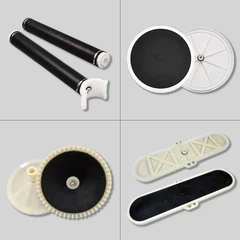
A Disc Diffuser is mainly composed of three parts:
• Flexible Membrane: This is the core component of the disc diffuser. Air passes evenly through the micropores on the membrane, forming fine bubbles.
• Base: Connects the membrane to the air pipeline, ensuring uniform air distribution and stable support for the membrane.
• Support Structure: Secures the diffuser at the tank bottom or within the pipeline system, ensuring stable installation and proper positioning.
When air is supplied through the pipeline to the diffuser, it passes through the membrane and forms numerous fine bubbles. As these bubbles rise through the water, they dissolve oxygen from the air into the water, increasing dissolved oxygen levels. A high-oxygen environment promotes microbial growth and biological treatment processes, thereby enhancing wastewater treatment efficiency and overall water quality.
Key Technical Parameters
Several technical factors determine the efficiency and performance of a disc diffuser. Understanding these key aspects helps optimize system operation. The following are the key technical parameters:
Air Flow Rate
Air flow rate refers to the volume of air supplied through the diffuser per unit of time. It directly affects bubble formation uniformity and oxygen transfer efficiency, while also determining the system's energy consumption.
01
Oxygen Transfer Efficiency (OTE)
Oxygen transfer efficiency measures how effectively oxygen dissolves in water. Higher OTE values indicate better diffuser performance, which helps improve wastewater treatment efficiency and reduce operational costs.
02
Bubble Size
Bubble size affects the contact area between air and water. Smaller bubbles increase oxygen transfer efficiency, thereby enhancing overall aeration performance.
03
Pressure Drop
Pressure drop refers to the loss of pressure that occurs when air passes through the diffuser's membrane or micropores. Maintaining an appropriate pressure drop ensures efficient system operation and prevents overloading of the air supply system.
04
Membrane Thickness
Membrane thickness refers to the thickness of the flexible membrane material. It affects bubble formation uniformity and membrane durability, thereby determining the stability of oxygen transfer and the diffuser's service life.
05
Installation and Maintenance Tips
Proper installation ensures efficient operation and long-term performance of disc diffusers. During disc diffuser installation, it is important to consider factors such as spacing, alignment, and secure connection to the air supply. Moreover, regular inspections and timely membrane replacements help maintain consistent aeration efficiency and prolong the system's service life.

Conclusion
Understanding key disc diffuser technical parameters, including factors like air flow rate and bubble size, helps optimize aeration system performance. By choosing appropriate specifications and performing regular maintenance, operators can improve oxygen transfer, enhance energy efficiency, and extend equipment life.
Aquasust: A Leading Disc Diffuser Manufacturer
As a leading manufacturer of disc aerators, Aquasust offers expert guidance and customized solutions to help all types of water treatment systems achieve efficient and stable operation. Contact us today to learn about the optimal solution for your application.