





Introduction
During the municipal wastewater treatment process, disinfection helps eliminate harmful pathogens before wastewater is discharged. However, the process also produces disinfection byproducts (DBPs), which may be harmful to the environment or health. This article will explore the types of disinfection byproducts and how to effectively treat them.
Types of Byproducts from Municipal Wastewater Disinfection
1. Trihalomethanes (THMs)
When chlorine used for water disinfection reacts with natural organic matter in the water, THMs are formed. Common THMs include chloroform, bromodichloromethane, and dibromochloromethane. Long-term exposure to these compounds increases the risk of cancer.
2. Haloacetic Acids (HAA)
Haloacetic Acids are another type of byproduct produced by chlorine-based disinfection. Long-term exposure to them also increases the risk of cancer. Nine HAAs are currently found in treated water, five of which are regulated by the EPA and must not exceed a total of 60µg/L:
● Monochloroacetic Acid (MCAA)
●Dichloroacetic Acid (DCAA)
●Trichloroacetic Acid (TCAA)
●Monobromoacetic Acid (MBAA)
●Dibromoacetic Acid (DBAA)
3. Nitrosamines
Nitrosamines are disinfection byproducts that may be produced when chloramines react with organic nitrogen compounds in wastewater. Some nitrosamines, such as NDMA, are considered potential carcinogens even at very low concentrations.
4. Bromate
Bromate may be formed when ozone is used to disinfect water containing bromide. It is also potentially carcinogenic and may pose a health risk with long-term exposure even at low concentrations.
5. Chlorite and Chlorate
These byproducts are produced during the chlorine dioxide disinfection process. High concentrations of chlorine dioxide may affect the nervous system and thyroid function, especially in sensitive populations such as children.
How to Deal with Disinfection Byproducts

1. Pretreatment to Remove Organic Matter
Removing organic precursors before disinfection can effectively reduce the formation of DBPs. For example, in the deep treatment of municipal wastewater, the MBBR process can effectively biodegrade organic matter and reduce the possibility of DBP generation in the later stage.
2. Upgrade the Disinfection Process
• Chloramination: Replacing traditional chlorine with chloramine can reduce the content of DBPs such as trihalomethanes and haloacetic acids.
• Advanced oxidation process (AOP) : Combining oxidants such as ozone, ultraviolet (UV) and hydrogen peroxide will produce strong active substances, which can more effectively disinfect water and reduce the formation of DBPs.

3. Efficient Removal Technology
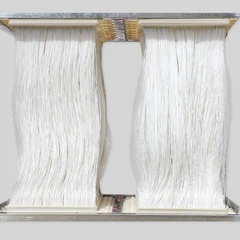
Membrane Separation Technology: Membrane separation is a method of selectively removing pollutants from water by molecular size using semi-permeable membranes. Nanofiltration (NF) and reverse osmosis (RO) membranes can effectively remove a variety of disinfection byproducts (such as THMs and HAAs) and their precursors, and are suitable for reuse or discharge scenarios with high water quality requirements.
Biological Activated Carbon (BAC) Filter: Biological activated carbon combines the adsorption effect of activated carbon with the biodegradation ability of microorganisms, and can continuously remove residual organic pollutants and some trace DBPs in water, thereby improving water quality.

4. Sludge Treatment
Some disinfection byproducts or their precursors will accumulate in sludge. Proper sludge treatment helps prevent secondary pollution and further reduce the risk of DBP in the environment. AquaSust's sludge dewatering machine can reduce the water content in sludge to about 60%, effectively reducing sludge treatment costs
Conclusion
Disinfection byproducts in municipal wastewater can be harmful to personal health and the natural environment. But don't worry, we can reduce disinfection byproducts by upgrading disinfection processes, using high-efficiency removal technologies or sludge treatment technologies to improve water safety and environmental compliance.
AquaSust's Professional Solutions
AquaSust provides a range of high-quality water treatment products and equipment to help you reduce wastewater disinfection byproducts. If you have any questions or needs, please feel free to contact us for more technical support.