





Introduction
Water is a core element in food and beverage production, and its quality directly affects the taste, safety and market competitiveness of products. Minerals, microorganisms, heavy metals and chemical contaminants in water not only change the texture and flavor of food, but also pose potential risks to consumers' health. Therefore, food and bev water treatment is a very important link.
How Water Quality Affects Food and Beverages
Taste and Aroma
Dissolved substances in water can significantly alter the sensory characteristics of food and beverages. Calcium and magnesium ions in hard water may increase the astringency of tea, while residual chlorine can mask the natural aroma of fruit juices. Additionally, iron and manganese ions in water can catalyze oxidation reactions, leading to the rancidity of oils or off-flavors in beverages.
Texture and Appearance
The hardness and pH of water directly impact the physical properties of food. Hard water can prevent bread from rising properly and result in a coarse texture, while acidic water may cause canned fruits and vegetables to become soft. In dairy processing, suspended particles in water, if not adequately filtered, can disrupt the uniform texture of yogurt and even lead to precipitation.
Safety
Microbial and chemical contaminants can compromise food safety. Contaminated water sources may harbor pathogens such as E. coli and Salmonella, leading to food spoilage or poisoning incidents. Heavy metals (like lead and mercury) and pesticide residues can accumulate through the food chain, causing chronic health damage.
Compliance
Global food regulations impose strict standards on water quality. For example, China's "GB 5749 Standards for Drinking Water Quality" requires lead content to be below 0.01mg/L. Businesses using non-compliant water may face consumer poisoning, product complaints, and legal issues.

Water Treatment Technologies in the Food and Beverage Industry

1. Pretreatment (Sedimentation/Filtration)
Untreated water is passed through sand filters and activated carbon adsorption to remove large particles, suspended solids, and some organic matter, reducing the load on subsequent treatment processes and extending equipment lifespan.
2. Reverse Osmosis (RO)
Reverse osmosis membranes can retain 99% of dissolved salts, heavy metals, and microorganisms, widely used in bottled water and dairy products where high purity is required.
3. Ultrafiltration (UF)
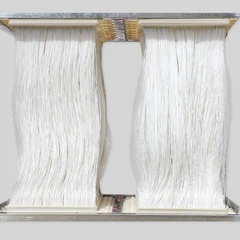
Ultrafiltration technology separates colloidal particles, bacteria, and large organic molecules by pore size control, suitable for beer brewing and beverage clarification, preserving beneficial minerals while improving transparency.
4. Disinfection
Disinfection involves using ultraviolet light, ozone, and chlorine to inactivate pathogenic microorganisms. Dairy enterprises often combine pasteurization with ultrafiltration to ensure sterile filling.
5. Ion Exchange
Resin exchange adjusts the concentration of calcium and magnesium ions in water, resolving issues caused by hard water, such as equipment scaling, while optimizing the taste of beverages.
AquaSust's Customized Water Treatment Solutions
1. Raw Material Washing Water Treatment
AquaSust employs a patented Tube Settler inclined tube settler, specifically designed to treat high-suspended solids wastewater during food ingredient washing. The system accelerates particle settlement through multi-layer inclined tubes, effectively removing dirt and debris.
2. Fermentation Process Water Treatment
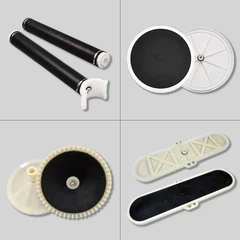
AquaSust's MBBR biofilm reactor, equipped with anti-clogging disk diffusers, is tailored for high-organic wastewater from wine making and beverage fermentation. The biofilm on the MBBR media rapidly breaks down sugars and starches, while the disk diffuser ensures uniform aeration.
3. Aeration System
AquaSust combines efficient turbine fans with disk diffusers to provide stable aeration for biological treatment of food wastewater. The turbine fans are more energy-efficient than traditional equipment, and the micro-pore structure of the disk diffusers enhances oxygen transfer efficiency, ensuring effective microbial degradation of organic matter.
4. Sludge Treatment
AquaSust's sludge dewatering machines are designed for organic sludge from food wastewater treatment. The equipment reduces sludge volume through mechanical pressing, producing dehydrated sludge cakes that can be directly transported to compliant landfills or used as compost materials.

Conclusion
The above content explains how water treatment is a critical link in ensuring the quality and safety of food and beverages. Only with comprehensive water treatment can the taste and safety of drinks be guaranteed. Therefore, when choosing equipment for beverage wastewater treatment, it is essential to consider multiple factors to select the most appropriate equipment.
AquaSust: Professional Food Water Treatment Equipment Manufacturer
As a professional manufacturer of Food Water Treatment Equipment, AquaSust provides MBBR media, aeration diffusers, sludge dewatering machines, and more. We offer OEM/ODM services and can customize products to meet your specific needs. If you have any questions, please feel free to contact us.