





As a supplier of rotary blowers, I often receive inquiries from customers about the suitability of our products for outdoor use. Rotary blowers are versatile pieces of equipment that are widely used in various industries, including wastewater treatment, pneumatic conveying, and aquaculture. However, using them outdoors presents unique challenges and considerations. In this blog post, I'll delve into the feasibility of using rotary blowers in outdoor environments, discussing the advantages, challenges, and best practices.
Advantages of Using Rotary Blowers Outdoors
1. Space Utilization
One of the primary advantages of using rotary blowers outdoors is the ability to save indoor space. In industrial settings, floor space is often at a premium, and installing large equipment indoors can be a challenge. By placing the blower outdoors, you can free up valuable indoor space for other operations or equipment.
2. Ventilation
Outdoor environments provide natural ventilation, which can help dissipate heat generated by the blower. Rotary blowers produce heat during operation, and proper ventilation is essential to prevent overheating and ensure optimal performance. In an outdoor setting, the ambient air can circulate freely around the blower, helping to keep it cool.
3. Noise Reduction
Rotary blowers can be noisy during operation, which can be a concern in indoor environments. Placing the blower outdoors can help reduce noise levels inside the building, creating a more comfortable working environment for employees. Additionally, outdoor installations can be designed with noise-reducing enclosures or barriers to further minimize the impact of noise on the surrounding area.
4. Application in Remote Locations
In some industries, such as agriculture and mining, operations are often located in remote areas where access to indoor facilities is limited. Rotary blowers can be easily installed outdoors in these locations, providing a reliable source of air or gas for various processes.
Challenges of Using Rotary Blowers Outdoors
1. Weather Conditions
Outdoor environments are subject to a wide range of weather conditions, including extreme temperatures, humidity, rain, snow, and wind. These conditions can have a significant impact on the performance and longevity of rotary blowers. For example, high temperatures can cause the blower to overheat, while low temperatures can affect the lubrication and viscosity of the oil. Moisture and humidity can also lead to corrosion and rust, which can damage the blower components.
2. Dust and Debris
Outdoor environments are often dusty and dirty, and rotary blowers can be susceptible to damage from dust and debris. Dust can accumulate on the blower's intake filters, reducing airflow and increasing energy consumption. Debris such as leaves, twigs, and rocks can also enter the blower and cause damage to the impellers or other components.
3. Security and Vandalism
Outdoor installations are more vulnerable to security risks and vandalism than indoor installations. Rotary blowers are valuable pieces of equipment, and they can be targeted by thieves or vandals. Additionally, outdoor installations may be located in areas where they are exposed to traffic or other hazards, increasing the risk of damage.
4. Maintenance and Accessibility
Maintaining rotary blowers in an outdoor environment can be more challenging than in an indoor environment. Access to the blower may be limited, especially in remote locations, and weather conditions can make it difficult to perform maintenance tasks. Additionally, outdoor installations may require more frequent maintenance to prevent damage from weather, dust, and debris.
Best Practices for Using Rotary Blowers Outdoors
1. Select the Right Blower
When selecting a rotary blower for outdoor use, it's important to choose a model that is designed to withstand the specific weather conditions and environmental factors of the installation site. Look for blowers that are constructed from durable materials, such as stainless steel or cast iron, and that have features such as weatherproof enclosures, corrosion-resistant coatings, and high-efficiency filters.
2. Install a Protective Enclosure
A protective enclosure can help shield the blower from the elements and reduce the risk of damage from dust, debris, and vandalism. The enclosure should be designed to provide adequate ventilation while also protecting the blower from rain, snow, and sunlight. Additionally, the enclosure should be easy to access for maintenance and inspection.
3. Use High-Quality Filters
High-quality intake filters are essential for protecting the blower from dust and debris. Choose filters that are designed to capture fine particles and that have a high dirt-holding capacity. Regularly inspect and replace the filters to ensure optimal performance.
4. Implement a Maintenance Schedule
Regular maintenance is crucial for ensuring the reliable operation of rotary blowers in outdoor environments. Develop a maintenance schedule that includes tasks such as oil changes, filter replacements, belt adjustments, and inspections of the blower components. Additionally, monitor the blower's performance regularly to detect any signs of problems early on.
5. Protect Against Freezing
In cold climates, it's important to take steps to prevent the blower from freezing. This may include installing a heater or insulation around the blower, draining the blower of water after use, and using a winterized oil.
6. Consider the Location
When selecting a location for the outdoor installation of a rotary blower, consider factors such as accessibility, ventilation, and security. Choose a location that is easily accessible for maintenance and inspection, and that provides adequate ventilation to prevent overheating. Additionally, consider installing the blower in a secure area to reduce the risk of vandalism.
Application in Aquaculture
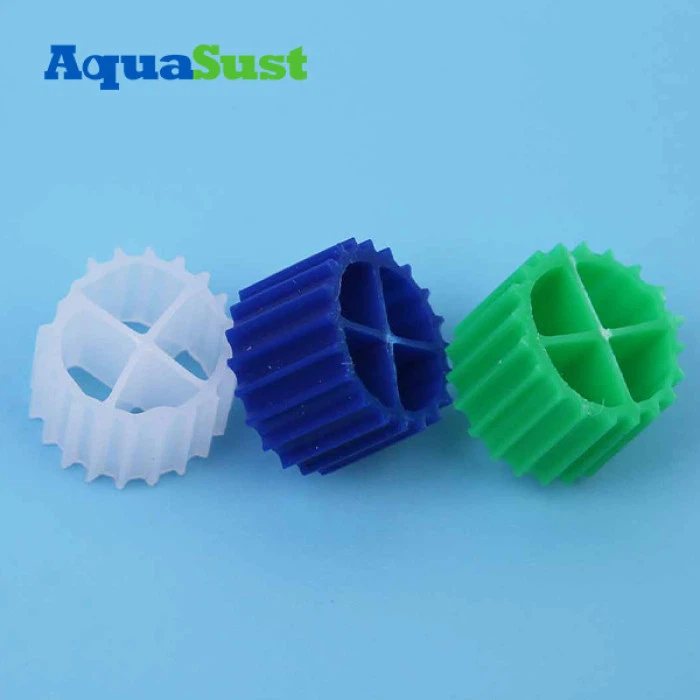
In aquaculture, rotary blowers are commonly used to provide aeration to fish ponds and tanks. MBBR Media AS - MBBR04 For Aquaculture is a popular product in this field, which can work in conjunction with rotary blowers to improve water quality and promote the growth of aquatic organisms. When using rotary blowers in aquaculture outdoor settings, all the above considerations for outdoor use apply, and special attention should be paid to the impact on water quality and the safety of aquatic life.
Conclusion
In conclusion, rotary blowers can be used in outdoor environments, but it's important to carefully consider the advantages, challenges, and best practices before making a decision. By selecting the right blower, installing a protective enclosure, using high-quality filters, implementing a maintenance schedule, protecting against freezing, and choosing the right location, you can ensure the reliable operation of your rotary blower in an outdoor environment.
If you're interested in purchasing rotary blowers for your outdoor applications, I encourage you to contact us for more information. Our team of experts can help you select the right blower for your specific needs and provide you with guidance on installation, maintenance, and operation. We look forward to working with you to find the best solution for your business.

References
- ASME PTC 13-2005, Performance Test Code on Rotary Compressors and Exhausters
- API Standard 619, Rotary-Type Positive Displacement Compressors for General Refinery Services
- ISO 1217:2016, Displacement Compressors - Acceptance Tests