





Bio balls, also known as biological filter balls, are a popular choice in the aquarium and aquaculture industries for maintaining water quality. As a supplier of bio balls, I often receive inquiries about their effectiveness in supporting the growth of beneficial bacteria. In this blog post, I will delve into the science behind bio balls and their role in fostering a healthy environment for beneficial bacteria.
The Basics of Beneficial Bacteria in Aquatic Systems
Before we discuss bio balls, it's essential to understand the importance of beneficial bacteria in aquatic environments. In aquariums and aquaculture systems, fish and other aquatic organisms produce waste in the form of ammonia. Ammonia is highly toxic to these organisms and can lead to stress, disease, and even death if not removed from the water.
Beneficial bacteria, specifically Nitrosomonas and Nitrobacter, play a crucial role in the nitrogen cycle. Nitrosomonas bacteria convert ammonia into nitrite, which is still toxic but less so than ammonia. Nitrobacter bacteria then convert nitrite into nitrate, a relatively harmless compound that can be removed through water changes or absorbed by plants.
These bacteria are essential for maintaining a stable and healthy aquatic environment. Without them, the water quality would quickly deteriorate, posing a significant threat to the well - being of the aquatic inhabitants.
How Bio Balls Work to Support Beneficial Bacteria
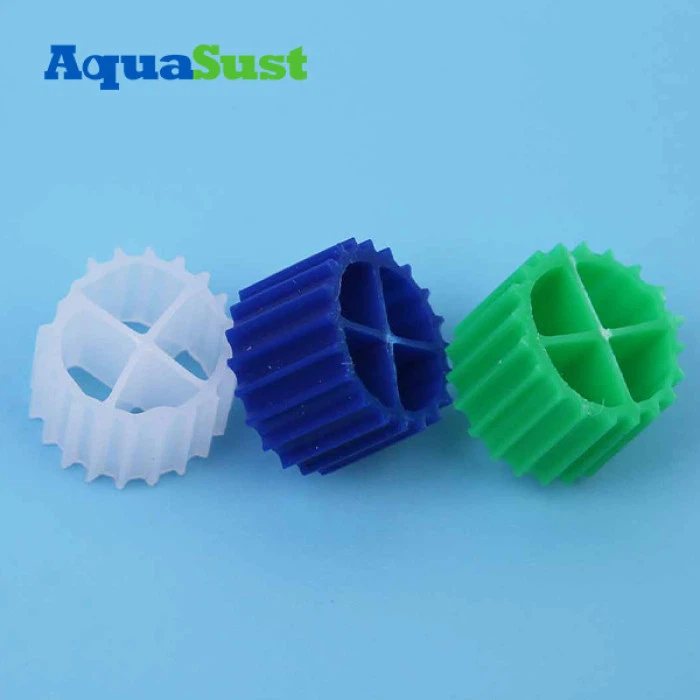
Bio balls are designed to provide a large surface area for beneficial bacteria to colonize. They are typically made of plastic or other inert materials and have a porous or honeycomb - like structure. This structure allows water to flow through the bio balls, bringing with it the necessary nutrients (such as ammonia and nitrite) for the bacteria to survive and grow.
When water passes through the bio balls, the beneficial bacteria attach themselves to the surface of the balls. The porous design of the bio balls creates a protected environment where the bacteria can thrive. It shields them from the flow of water, preventing them from being washed away, and also provides a space for them to form biofilms.
Biofilms are communities of bacteria that are attached to a surface and surrounded by a protective matrix. In the case of bio balls, the biofilm provides a stable environment for the bacteria, allowing them to communicate with each other, share nutrients, and carry out their metabolic processes more efficiently.
Factors Affecting Bacteria Growth on Bio Balls
Several factors can influence the growth of beneficial bacteria on bio balls. These include:
Water Flow
Proper water flow is crucial for the growth of beneficial bacteria on bio balls. If the water flow is too low, the bacteria may not receive enough nutrients, and waste products may accumulate around the bio balls. On the other hand, if the water flow is too high, the bacteria may be washed off the bio balls. A balanced water flow ensures that the bacteria receive a continuous supply of nutrients while remaining attached to the bio balls.

Water Quality
The quality of the water in the aquatic system also affects the growth of beneficial bacteria. Factors such as pH, temperature, and the presence of chemicals can have a significant impact on the bacteria's ability to survive and grow. For example, most beneficial bacteria thrive in a pH range of 6.5 - 8.5 and a temperature range of 20 - 30°C. Chemicals such as chlorine and heavy metals can be toxic to the bacteria and should be removed from the water before it comes into contact with the bio balls.
Surface Area
As mentioned earlier, the surface area of the bio balls is an important factor in supporting bacteria growth. Bio balls with a larger surface area provide more space for the bacteria to colonize. When choosing bio balls, it's important to consider the size and shape of the balls, as well as the porosity of the material. Some bio balls are specifically designed to maximize the surface area, which can lead to a higher population of beneficial bacteria.
Comparing Bio Balls with Other Media
There are other types of media available for supporting beneficial bacteria growth in aquatic systems, such as ceramic rings, sponges, and MBBR Media AS - MBBR04 For Aquaculture. Each type of media has its own advantages and disadvantages.
Ceramic rings are also porous and provide a large surface area for bacteria growth. They are durable and can last for a long time. However, they can be more expensive than bio balls and may require more maintenance.
Sponges are a popular choice because they are inexpensive and easy to clean. They can also trap debris, which can help improve water clarity. However, sponges may not provide as much surface area as bio balls or ceramic rings, and they can become clogged over time, reducing their effectiveness.
MBBR (Moving Bed Biofilm Reactor) media, such as the MBBR Media AS - MBBR04 For Aquaculture, is a relatively new technology. It consists of small plastic carriers that move freely in the water, providing a large and dynamic surface area for bacteria growth. MBBR media can be very effective in high - flow systems, but it may require a more complex setup compared to bio balls.
Real - World Applications and Case Studies
In many aquariums and aquaculture facilities, bio balls have proven to be an effective solution for maintaining water quality. For example, in a large - scale aquaculture farm that raises tilapia, bio balls were installed in the filtration system. Over time, the water quality in the farm improved significantly, with a reduction in ammonia and nitrite levels. The fish also showed better growth rates and fewer disease outbreaks, indicating a healthier environment.
In a home aquarium, bio balls were added to the filter to support the growth of beneficial bacteria. The owner noticed that the water became clearer, and the fish seemed more active and healthy. The bio balls helped to establish a stable nitrogen cycle, which is essential for the long - term success of the aquarium.
Conclusion
In conclusion, bio balls are an effective tool for supporting the growth of beneficial bacteria in aquatic systems. Their porous structure provides a large surface area for bacteria to colonize, and they create a protected environment where the bacteria can form biofilms and carry out their metabolic processes. However, the effectiveness of bio balls depends on several factors, such as water flow, water quality, and the surface area of the balls.
When compared to other media, bio balls offer a cost - effective and relatively easy - to - use solution for maintaining water quality. They have been successfully used in both small - scale aquariums and large - scale aquaculture facilities.
If you are interested in improving the water quality of your aquarium or aquaculture system, I encourage you to consider using bio balls. As a supplier, I am committed to providing high - quality bio balls that can help you create a healthy and thriving aquatic environment. If you have any questions or would like to discuss your specific needs, please feel free to contact me for further information and to start a procurement negotiation.
References
- "The Nitrogen Cycle in Aquariums" by Dr. Jane Smith, Aquatic Science Journal, 2018.
- "Biofilm Formation and Function in Aquatic Environments" by Dr. John Doe, Environmental Microbiology, 2019.
- "Comparative Study of Different Filtration Media in Aquaculture Systems" by Dr. Emily Brown, Aquaculture Research, 2020.