





Hey there! As a pump supplier, I've been getting a lot of questions about screw pumps lately. So, I thought I'd take a few minutes to explain what they are, how they work, and where they're used.
First things first, let's talk about what a screw pump is. A screw pump is a type of positive displacement pump that uses one or more screws to move fluid through the pump. These screws intermesh with each other, creating chambers that trap the fluid and move it from the inlet to the outlet of the pump.
There are two main types of screw pumps: single-screw pumps and multi-screw pumps. Single-screw pumps, also known as progressive cavity pumps, use a single screw that rotates inside a rubber stator. The screw's helical shape creates a series of sealed cavities that move the fluid along the pump. This design is great for handling viscous fluids, solids, and abrasive materials.
On the other hand, multi-screw pumps use multiple screws that rotate in opposite directions. These screws are typically made of metal and work together to move the fluid through the pump. Multi-screw pumps are known for their high efficiency, smooth operation, and ability to handle high pressures.
So, how do screw pumps work? Well, it all starts with the inlet. When the pump is turned on, fluid enters the pump through the inlet and is trapped in the chambers created by the intermeshing screws. As the screws rotate, the chambers move along the length of the pump, carrying the fluid with them. When the chambers reach the outlet, the fluid is discharged from the pump.
One of the key advantages of screw pumps is their ability to handle a wide range of fluids. Whether you're dealing with thin, watery liquids or thick, sticky substances, a screw pump can get the job done. They're also great for handling fluids that contain solids or abrasive materials, as the screw design helps to prevent clogging and damage to the pump.
Another advantage of screw pumps is their efficiency. Because they're positive displacement pumps, they can deliver a consistent flow rate regardless of the pressure or viscosity of the fluid. This makes them ideal for applications where a steady flow of fluid is required, such as in chemical processing, food and beverage production, and oil and gas refining.
So, where are screw pumps used? Well, they're used in a wide variety of industries and applications. Here are just a few examples:
- Oil and Gas: Screw pumps are commonly used in the oil and gas industry to transfer crude oil, refined products, and other fluids. They're also used in offshore drilling operations to pump drilling mud and other fluids.
- Chemical Processing: Screw pumps are used in chemical processing plants to transfer chemicals, solvents, and other fluids. They're also used in the production of plastics, fertilizers, and other chemical products.
- Food and Beverage: Screw pumps are used in the food and beverage industry to transfer liquids such as milk, juice, and beer. They're also used in the production of food products such as chocolate, ice cream, and yogurt.
- Water and Wastewater Treatment: Screw pumps are used in water and wastewater treatment plants to transfer water, sludge, and other fluids. They're also used in the treatment of industrial wastewater and the disposal of sewage.
In addition to these industries, screw pumps are also used in a variety of other applications, such as in the marine industry, the pharmaceutical industry, and the pulp and paper industry.
Now, let's talk about some of the factors you should consider when choosing a screw pump. The first thing you need to consider is the type of fluid you'll be pumping. Different types of screw pumps are designed to handle different types of fluids, so it's important to choose a pump that's compatible with your specific application.
You also need to consider the flow rate and pressure requirements of your application. Screw pumps come in a variety of sizes and configurations, so it's important to choose a pump that can deliver the flow rate and pressure you need.
Another important factor to consider is the operating environment. If you'll be using the pump in a harsh or corrosive environment, you'll need to choose a pump that's made of materials that can withstand these conditions.
Finally, you need to consider the cost of the pump. Screw pumps can vary in price depending on their size, configuration, and features. It's important to choose a pump that fits your budget while still meeting your performance requirements.
As a pump supplier, I can help you choose the right screw pump for your application. I have a wide range of screw pumps in stock, and I can also custom design a pump to meet your specific needs. Whether you're looking for a single-screw pump or a multi-screw pump, I can help you find the right solution.

If you're interested in learning more about screw pumps or if you have any questions about our products and services, please don't hesitate to contact me. I'd be happy to discuss your needs and provide you with a free quote.
In addition to screw pumps, we also offer a wide range of other types of pumps, including centrifugal pumps, diaphragm pumps, and gear pumps. We also offer a variety of pump accessories, such as valves, fittings, and couplings.
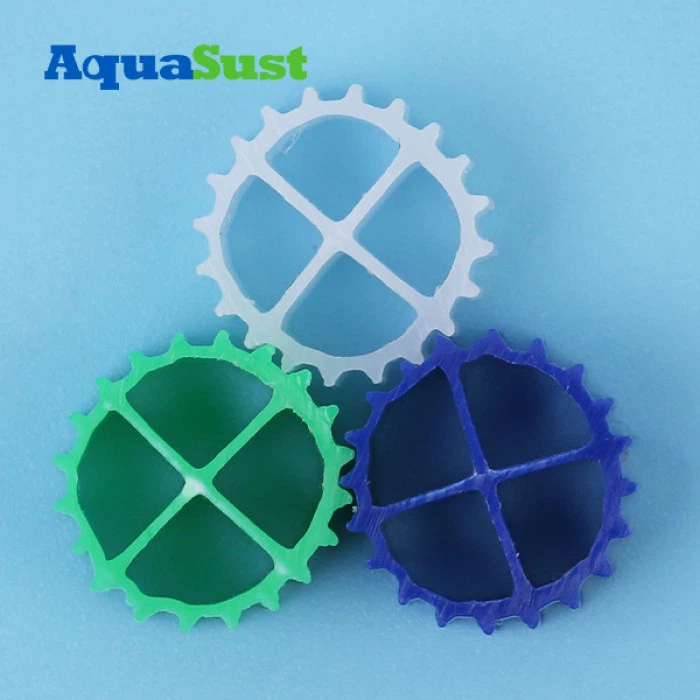
One of our popular products is the MBBR Media AS-MBBR04 For Aquaculture. This media is designed to provide a large surface area for the growth of beneficial bacteria, which helps to improve water quality in aquaculture systems.
If you're in the market for a new pump or if you need to replace an existing pump, I encourage you to give us a call. We have a team of experienced sales and technical staff who can help you choose the right pump for your application and provide you with the support you need to keep your pump running smoothly.
In conclusion, screw pumps are a versatile and efficient type of pump that can be used in a wide variety of industries and applications. Whether you're dealing with thin, watery liquids or thick, sticky substances, a screw pump can get the job done. If you're interested in learning more about screw pumps or if you have any questions about our products and services, please don't hesitate to contact me. I'd be happy to help you find the right solution for your needs.
References
- "Positive Displacement Pumps: Types, Working, Applications," Pumps & Systems, accessed [Date].
- "Screw Pumps: Principles, Applications, and Selection," Chemical Engineering, accessed [Date].
- "The Basics of Screw Pumps," Fluid Handling Pro, accessed [Date].