

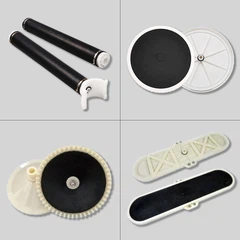


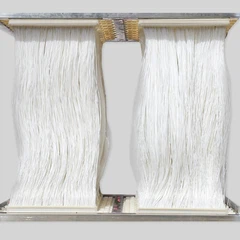


How does the bubble size of an aeration diffuser impact its performance?
As a supplier of aeration diffusers, I've witnessed firsthand the critical role that bubble size plays in the performance of these essential devices. Aeration diffusers are used in a wide range of applications, from wastewater treatment plants to aquaculture systems, and the size of the bubbles they produce can significantly affect the efficiency and effectiveness of the aeration process.
Understanding the Basics of Aeration
Before delving into the impact of bubble size, it's important to understand the fundamental principles of aeration. Aeration is the process of introducing air into a liquid, typically water, to increase the dissolved oxygen (DO) content. This is crucial for supporting the growth of aerobic microorganisms, which are responsible for breaking down organic matter in wastewater treatment, and for maintaining a healthy environment for aquatic organisms in aquaculture.
Aeration diffusers work by releasing air into the water in the form of bubbles. These bubbles rise to the surface, transferring oxygen from the air to the water as they move through the liquid. The efficiency of this oxygen transfer depends on several factors, including the surface area of the bubbles, the contact time between the bubbles and the water, and the solubility of oxygen in the water.
The Impact of Bubble Size on Oxygen Transfer Efficiency
One of the most significant ways in which bubble size affects the performance of an aeration diffuser is through its impact on oxygen transfer efficiency. Smaller bubbles have a larger surface area-to-volume ratio compared to larger bubbles, which means they can transfer oxygen more efficiently to the water. This is because the greater surface area provides more contact between the air and the water, allowing for a greater amount of oxygen to be dissolved.
For example, a fine-bubble diffuser that produces bubbles with a diameter of less than 2 mm can achieve oxygen transfer efficiencies of up to 30% or more, while a coarse-bubble diffuser that produces bubbles with a diameter of 5 mm or more may only achieve efficiencies of 10% or less. This difference in efficiency can have a significant impact on the energy consumption and operating costs of an aeration system, as more energy is required to achieve the same level of oxygen transfer with larger bubbles.
Bubble Size and Mixing
In addition to its impact on oxygen transfer efficiency, bubble size also plays a role in the mixing of the water. Smaller bubbles tend to rise more slowly through the water column, which allows them to stay in contact with the water for a longer period of time. This extended contact time not only enhances oxygen transfer but also helps to promote better mixing of the water, ensuring that the oxygen is evenly distributed throughout the system.
On the other hand, larger bubbles rise more quickly to the surface, which can result in less effective mixing. This can lead to the formation of dead zones in the water where oxygen levels are low, which can have a negative impact on the performance of the aeration system and the overall health of the aquatic environment.
Bubble Size and Maintenance
Another factor to consider when evaluating the impact of bubble size on aeration diffuser performance is maintenance. Fine-bubble diffusers are generally more prone to clogging compared to coarse-bubble diffusers, as the smaller pores in the diffuser membrane can become blocked by debris and other contaminants in the water. This can reduce the efficiency of the diffuser and increase the energy consumption of the system.
To mitigate this issue, regular maintenance and cleaning of fine-bubble diffusers are essential. This may involve backwashing the diffusers to remove any accumulated debris or using chemical cleaners to dissolve any stubborn deposits. In contrast, coarse-bubble diffusers are less likely to clog, which can result in lower maintenance requirements and longer service life.
Application-Specific Considerations
The optimal bubble size for an aeration diffuser depends on the specific application and the requirements of the system. In wastewater treatment plants, for example, fine-bubble diffusers are often preferred due to their high oxygen transfer efficiency and ability to promote good mixing. However, in some cases, coarse-bubble diffusers may be more suitable, such as in systems where the wastewater contains a high concentration of solids or where the diffusers are located in areas with high flow rates.
In aquaculture systems, the choice of bubble size may also depend on the type of aquatic organisms being cultured. Some species, such as fish and shrimp, may be more sensitive to the size and turbulence of the bubbles, and may require a specific bubble size range to ensure their health and well-being. For example, some aquaculture systems use fine-bubble diffusers to provide a gentle and uniform supply of oxygen, while others may use a combination of fine and coarse-bubble diffusers to achieve the desired level of aeration and mixing.
Conclusion
In conclusion, the bubble size of an aeration diffuser has a significant impact on its performance, including oxygen transfer efficiency, mixing, and maintenance requirements. As a supplier of aeration diffusers, it's important to understand the specific needs of each application and to recommend the most appropriate bubble size and diffuser type to meet those needs.
Whether you're looking to improve the efficiency of a wastewater treatment plant or create a healthy environment for your aquaculture operation, choosing the right aeration diffuser with the optimal bubble size can make a big difference. If you're interested in learning more about our range of aeration diffusers and how they can benefit your system, please don't hesitate to contact us for a consultation. We're here to help you find the best solution for your specific requirements.
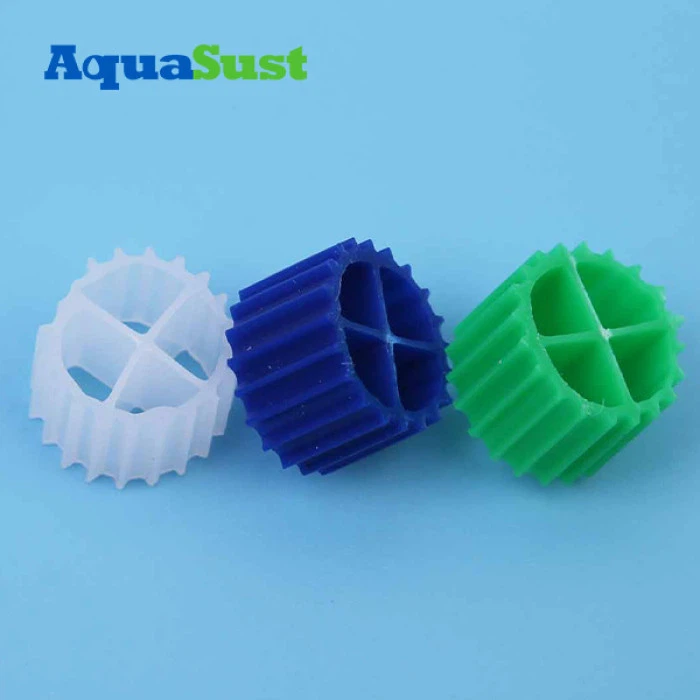
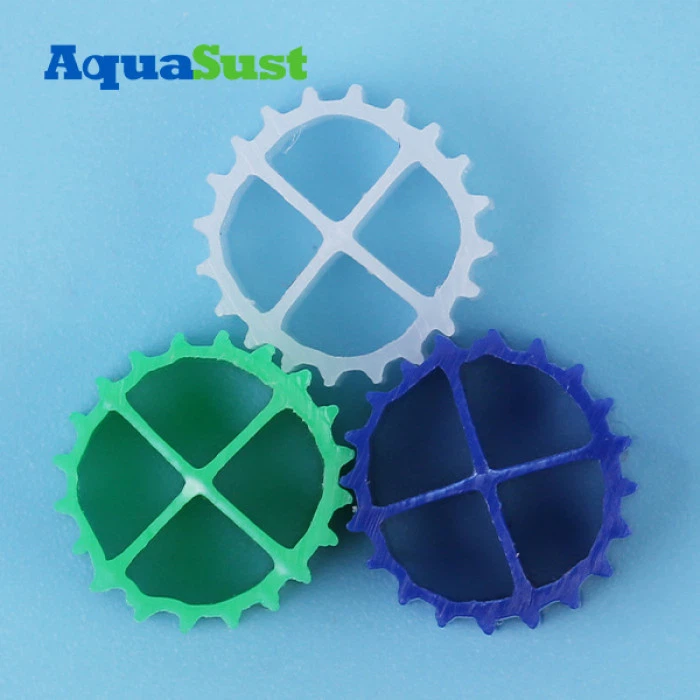
When it comes to aquaculture, our MBBR Media AS-MBBR04 For Aquaculture can be a great addition to your aeration system. It provides a large surface area for the growth of beneficial microorganisms, which can help to improve water quality and reduce the need for chemical treatments.
If you're ready to take your aeration system to the next level, contact us today to discuss your options and get started on the path to a more efficient and effective solution.
References
- Metcalf & Eddy, Inc. (2003). Wastewater Engineering: Treatment and Reuse (4th ed.). McGraw-Hill.
- Tchobanoglous, G., Burton, F. L., & Stensel, H. D. (2003). Wastewater Engineering: Treatment, Disposal, and Reuse (4th ed.). McGraw-Hill.
- Boyd, C. E., & Tucker, C. S. (1998). Pond Aquaculture Water Quality Management. Kluwer Academic Publishers.