





Selecting the right screw pump for a specific application is a critical decision that can significantly impact the efficiency, reliability, and cost-effectiveness of your operations. As a screw pump supplier, we understand the complexities involved in this process and are here to guide you through the key considerations to ensure you make the best choice for your needs.
Understanding the Basics of Screw Pumps
Before delving into the selection process, it's essential to have a basic understanding of how screw pumps work. Screw pumps are positive displacement pumps that use one or more screws to move fluid along the screw's axis. The screws intermesh to create chambers that trap and transport the fluid from the suction side to the discharge side of the pump. This design allows screw pumps to handle a wide range of fluids, including viscous, abrasive, and shear-sensitive materials, with high efficiency and low pulsation.
Key Factors to Consider When Selecting a Screw Pump
Fluid Characteristics
The first step in selecting the right screw pump is to understand the characteristics of the fluid you need to pump. Key fluid properties to consider include:
- Viscosity: Viscosity is a measure of a fluid's resistance to flow. Screw pumps are well-suited for pumping high-viscosity fluids, but the pump's design and operating speed must be selected to match the fluid's viscosity. Higher viscosity fluids require pumps with larger screw diameters and slower operating speeds to ensure efficient pumping.
- Density: The density of the fluid affects the pump's power requirements and the pressure it can generate. Heavier fluids require more power to pump and may require a pump with a higher pressure rating.
- Abrasiveness: If the fluid contains abrasive particles, such as sand or gravel, the pump's internal components must be made of materials that can withstand wear and tear. Hardened steel, ceramic, or other abrasion-resistant materials may be required to ensure the pump's longevity.
- Corrosiveness: Corrosive fluids can damage the pump's internal components and reduce its lifespan. Select a pump with materials that are resistant to the specific corrosive agents in the fluid, such as stainless steel, plastic, or rubber.
- Shear Sensitivity: Some fluids, such as polymers or emulsions, are sensitive to shear forces. Screw pumps are often a good choice for pumping shear-sensitive fluids because they generate low shear forces compared to other types of pumps.
Flow Rate and Pressure Requirements
The flow rate and pressure requirements of your application will determine the size and capacity of the screw pump you need. The flow rate is the volume of fluid that the pump can deliver per unit of time, typically measured in gallons per minute (GPM) or liters per minute (LPM). The pressure requirement is the force required to move the fluid through the system, typically measured in pounds per square inch (PSI) or bars.
When selecting a screw pump, it's important to choose a pump that can meet your flow rate and pressure requirements while operating within its recommended range. Operating a pump outside of its recommended range can lead to reduced efficiency, increased wear and tear, and premature failure.
Temperature and Environmental Conditions
The temperature and environmental conditions in which the pump will operate can also affect its performance and lifespan. High temperatures can cause the fluid to become more viscous, which can increase the pump's power requirements and reduce its efficiency. Low temperatures can cause the fluid to thicken or freeze, which can damage the pump's internal components.

In addition to temperature, other environmental factors, such as humidity, dust, and chemicals, can also affect the pump's performance and lifespan. Select a pump that is designed to operate in the specific environmental conditions of your application and that is protected against corrosion, dust, and other contaminants.
System Configuration and Installation
The system configuration and installation of the screw pump can also affect its performance and reliability. Consider the following factors when selecting a pump:
- Piping Layout: The piping layout of the system can affect the pump's suction and discharge pressures and the flow rate of the fluid. Ensure that the piping is properly sized and installed to minimize pressure losses and ensure efficient pumping.
- Suction Conditions: The suction conditions of the pump, such as the suction lift and the presence of air or gas in the fluid, can affect the pump's performance and reliability. Ensure that the suction conditions are within the pump's recommended range and that the suction line is properly sized and installed to prevent cavitation.
- Discharge Conditions: The discharge conditions of the pump, such as the discharge pressure and the presence of backpressure in the system, can affect the pump's performance and reliability. Ensure that the discharge conditions are within the pump's recommended range and that the discharge line is properly sized and installed to prevent excessive pressure losses.
- Mounting and Alignment: Proper mounting and alignment of the pump are essential to ensure its performance and reliability. Ensure that the pump is mounted on a stable base and that the shaft is properly aligned with the motor or drive.
Types of Screw Pumps
There are several types of screw pumps available, each with its own unique design and characteristics. The most common types of screw pumps include:
Single-Screw Pumps
Single-screw pumps, also known as progressive cavity pumps, use a single helical screw that rotates inside a stator. The screw and stator create a series of sealed chambers that trap and transport the fluid from the suction side to the discharge side of the pump. Single-screw pumps are well-suited for pumping viscous, abrasive, and shear-sensitive fluids and can handle high solids content.
Twin-Screw Pumps
Twin-screw pumps use two intermeshing screws that rotate in opposite directions to create a series of sealed chambers that trap and transport the fluid. Twin-screw pumps are well-suited for pumping high-viscosity fluids and can handle high pressures and flow rates. They are also commonly used in applications where low pulsation and high efficiency are required.
Three-Screw Pumps
Three-screw pumps use three intermeshing screws that rotate in the same direction to create a series of sealed chambers that trap and transport the fluid. Three-screw pumps are well-suited for pumping high-viscosity fluids and can handle high pressures and flow rates. They are also commonly used in applications where low pulsation and high efficiency are required.
Application-Specific Considerations
In addition to the general factors discussed above, there are also some application-specific considerations that you may need to take into account when selecting a screw pump. Here are some examples:
Oil and Gas Industry
In the oil and gas industry, screw pumps are commonly used for applications such as crude oil transfer, wellhead injection, and fuel oil supply. When selecting a screw pump for an oil and gas application, it's important to consider the fluid's viscosity, density, and corrosiveness, as well as the operating conditions, such as temperature and pressure. You may also need to consider the pump's compliance with industry standards and regulations, such as API 676.
Food and Beverage Industry
In the food and beverage industry, screw pumps are commonly used for applications such as milk transfer, juice processing, and chocolate production. When selecting a screw pump for a food and beverage application, it's important to consider the fluid's hygiene requirements, such as the need for clean-in-place (CIP) and sterilization-in-place (SIP) capabilities. You may also need to consider the pump's compliance with food safety standards and regulations, such as FDA and 3-A Sanitary Standards.
Chemical Industry
In the chemical industry, screw pumps are commonly used for applications such as chemical transfer, polymer processing, and wastewater treatment. When selecting a screw pump for a chemical application, it's important to consider the fluid's corrosiveness, toxicity, and reactivity, as well as the operating conditions, such as temperature and pressure. You may also need to consider the pump's compliance with industry standards and regulations, such as ASME and ISO.
Aquaculture Industry
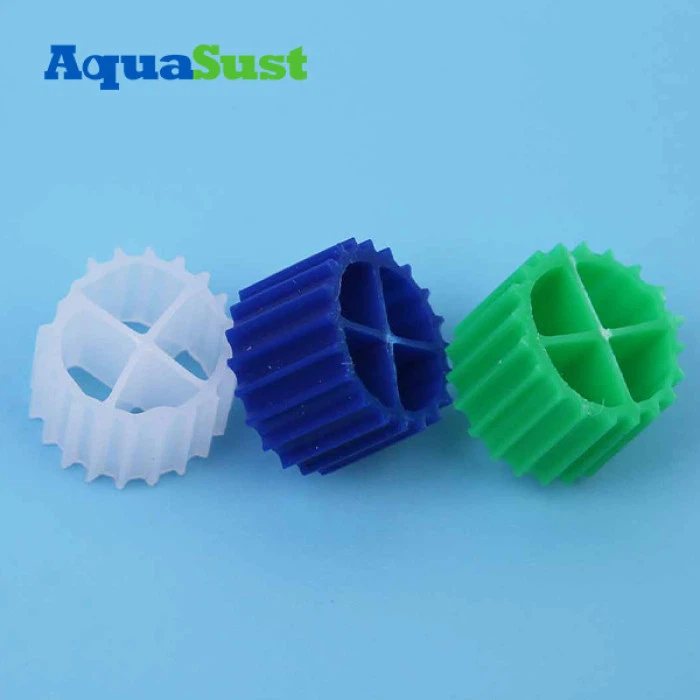
In the aquaculture industry, screw pumps can be used for various applications, such as water circulation, aeration, and nutrient delivery. For example, in combination with MBBR Media AS-MBBR04 For Aquaculture, a screw pump can efficiently transport water through the media, enhancing the biological treatment process. When selecting a screw pump for an aquaculture application, it's important to consider the fluid's characteristics, such as the presence of fish waste and other organic matter, as well as the need for energy efficiency and low noise operation.
Conclusion
Selecting the right screw pump for a specific application requires careful consideration of several factors, including the fluid characteristics, flow rate and pressure requirements, temperature and environmental conditions, system configuration and installation, and application-specific considerations. As a screw pump supplier, we have the expertise and experience to help you select the best pump for your needs. If you have any questions or need assistance with your screw pump selection, please don't hesitate to contact us. We look forward to working with you to find the perfect solution for your application.
References
- "Positive Displacement Pumps: Principles and Applications" by Heinz P. Bloch
- "Pump Handbook" by Igor J. Karassik, Joseph P. Messina, Paul Cooper, and Charles C. Heald
- "Chemical Engineering Fluid Mechanics" by Ron Darby