

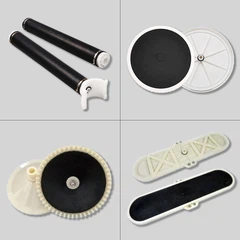


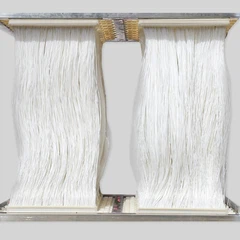


In the realm of wastewater treatment and aquaculture, disc diffusers play a pivotal role in ensuring efficient oxygen transfer. As a disc diffuser supplier, I understand the importance of energy efficiency not only for the cost - effectiveness of our clients but also for the broader goal of environmental sustainability. In this blog, I will share some practical strategies on how to make a disc diffuser more energy - efficient.
1. Optimal Design and Material Selection
The first step in enhancing the energy efficiency of a disc diffuser lies in its design and the materials used. A well - designed disc diffuser should have a uniform pore distribution. This ensures that the air is evenly dispersed into the water, minimizing the formation of large bubbles that are less efficient in oxygen transfer. When large bubbles rise quickly through the water column, they have less contact time with the water, resulting in lower oxygen transfer efficiency.
For material selection, high - quality elastomers are often the best choice. Elastomers with good flexibility and durability can maintain their pore structure over time. For example, some advanced elastomers can resist clogging and fouling, which are common issues that can reduce the efficiency of disc diffusers. A diffuser that is clogged or fouled requires more energy to push the same amount of air through, as the resistance to airflow increases. By using high - quality materials, we can reduce the frequency of maintenance and cleaning, thereby saving energy in the long run.

2. Correct Sizing and Installation
Proper sizing of the disc diffuser is crucial for energy efficiency. Oversized diffusers may lead to excessive air flow, which not only wastes energy but can also cause unnecessary turbulence in the water. On the other hand, undersized diffusers will need to operate at higher pressures to achieve the required oxygen transfer, consuming more energy.
When installing disc diffusers, it is essential to ensure that they are placed at the correct depth and spacing. The depth affects the hydrostatic pressure, which in turn influences the air flow rate and oxygen transfer efficiency. Generally, deeper placement can increase the pressure on the air bubbles, making them smaller and more efficient in oxygen transfer. However, this also requires more energy to push the air to the deeper depth. Therefore, a balance needs to be struck based on the specific requirements of the treatment system.
The spacing between the disc diffusers is also important. If the diffusers are placed too closely together, the air bubbles may coalesce, forming larger bubbles and reducing oxygen transfer efficiency. Conversely, if they are placed too far apart, there may be areas in the water where oxygen distribution is uneven.
3. Advanced Aeration Control Systems
Implementing advanced aeration control systems can significantly improve the energy efficiency of disc diffusers. These systems can adjust the air flow rate based on the real - time oxygen demand of the water. For example, in a wastewater treatment plant, the oxygen demand may vary depending on the influent flow rate and the organic load. By using sensors to monitor the dissolved oxygen levels in the water, the control system can automatically increase or decrease the air supply to the disc diffusers.
Variable frequency drives (VFDs) are commonly used in these control systems. A VFD can adjust the speed of the air blower, which is the main energy - consuming component in the aeration system. Instead of running the blower at a constant speed, the VFD can slow it down when the oxygen demand is low, reducing energy consumption.
Another aspect of advanced control systems is the ability to perform self - diagnostics. The system can detect issues such as clogging or leaks in the diffuser system and alert the operators in a timely manner. This allows for prompt maintenance, preventing further energy losses.
4. Regular Maintenance and Cleaning
Regular maintenance and cleaning are essential for keeping disc diffusers operating at peak efficiency. Over time, biofilms, sediments, and other contaminants can accumulate on the surface of the diffusers, blocking the pores and increasing the resistance to airflow.
Simple cleaning procedures can be carried out on a regular basis, such as backwashing. Backwashing involves reversing the flow of water through the diffuser to dislodge the accumulated debris. In addition, chemical cleaning may be required periodically to remove stubborn biofilms.
Inspecting the diffusers for damage or wear is also important. A damaged diffuser may not distribute air evenly, leading to inefficient oxygen transfer and increased energy consumption. Replacing worn - out parts promptly can ensure the continued energy - efficient operation of the diffuser system.
5. Compatibility with Other Treatment Technologies
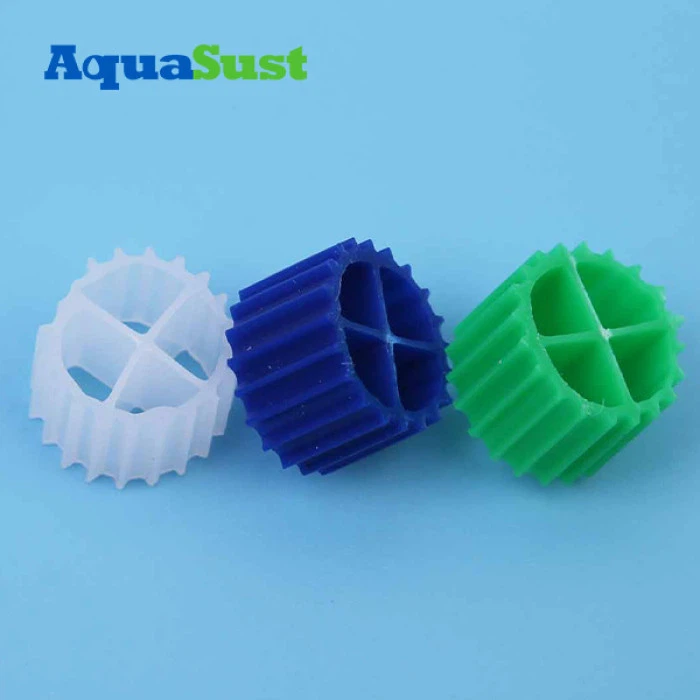
Combining disc diffusers with other treatment technologies can also improve energy efficiency. For example, MBBR Media AS - MBBR04 For Aquaculture can be used in conjunction with disc diffusers in aquaculture systems. Moving Bed Biofilm Reactors (MBBR) provide a large surface area for the growth of beneficial bacteria, which can enhance the biological treatment process.
When disc diffusers are used to supply oxygen to an MBBR system, the oxygen is more effectively utilized by the bacteria on the media. This can reduce the overall oxygen demand of the system, leading to lower energy consumption. The combination of these two technologies can create a synergistic effect, improving the efficiency of the entire treatment process.
Conclusion
Making a disc diffuser more energy - efficient is a multi - faceted approach that involves design, installation, control, maintenance, and integration with other technologies. As a disc diffuser supplier, I am committed to providing our clients with high - quality products and solutions that help them achieve energy savings and environmental sustainability.
If you are interested in learning more about our disc diffusers or exploring how we can help you improve the energy efficiency of your treatment system, please feel free to contact us for procurement and further discussions. We look forward to working with you to create a more efficient and sustainable future.
References
- Metcalf & Eddy. (2003). Wastewater Engineering: Treatment and Reuse. McGraw - Hill.
- WEF. (2019). Aeration in Wastewater Treatment. Water Environment Federation.
- ASCE. (2017). Manual of Practice No. 8: Design of Municipal Wastewater Treatment Plants. American Society of Civil Engineers.