

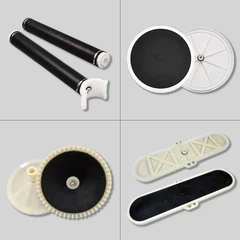


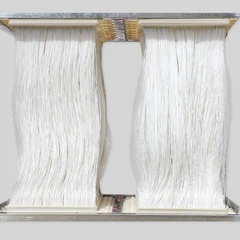


Yo, what's up everyone! I'm working for an MBR (Membrane Bioreactor) supplier, and I've seen a lot of cases where MBRs get damaged. It's a real headache for both us suppliers and our customers. So, I thought I'd share some tips on how to prevent MBR damage.
First off, let's understand what an MBR is. An MBR is a high - tech wastewater treatment system that combines a biological treatment process with membrane filtration. It's super efficient, but like any piece of equipment, it can face problems if not properly maintained.
1. Proper Installation
The installation of an MBR is crucial. A wrong installation can lead to a whole bunch of issues down the line. When we install an MBR, we need to make sure the location is right. The area should be level and stable. If it's not, the MBR can be under uneven stress, which may cause the membrane to warp or break.
Also, the connection of all the pipes and fittings must be done correctly. Loose connections can lead to leaks, which not only waste water but can also introduce air into the system. Air bubbles in the wrong places can damage the membrane. We always follow the manufacturer's guidelines during installation. For example, we use the right type of gaskets and seals to ensure a tight fit.
2. Regular Monitoring
Once the MBR is up and running, regular monitoring is a must. We need to keep an eye on several key parameters. The first one is the water quality of the influent. If the influent has a high concentration of solids, chemicals, or other contaminants, it can put a lot of strain on the MBR.
We use sensors to measure things like pH, temperature, and turbidity. If the pH is too high or too low, it can affect the performance of the biological treatment process and also damage the membrane. Similarly, extreme temperatures can make the membrane brittle or cause it to expand and contract, leading to cracks.
Another important thing to monitor is the pressure within the system. High pressure can force contaminants through the membrane, causing it to clog or get damaged. We use pressure gauges to keep track of the pressure and adjust the system accordingly.
3. Maintenance and Cleaning
Regular maintenance and cleaning are essential for preventing MBR damage. We have a set schedule for cleaning the membranes. There are two main types of cleaning: physical cleaning and chemical cleaning.
Physical cleaning involves using methods like backwashing. Backwashing is when we reverse the flow of water through the membrane to remove any particles that have accumulated on the surface. It's like giving the membrane a good rinse. We usually do backwashing at regular intervals, depending on the operating conditions of the MBR.
Chemical cleaning is done less frequently but is more thorough. We use special cleaning agents to remove stubborn contaminants and biofilms from the membrane. However, we need to be careful when using chemicals. Using the wrong chemical or the wrong concentration can damage the membrane. We always test the chemicals on a small part of the membrane first to make sure they are safe.
4. Training for Operators
The people who operate the MBR also play a big role in preventing damage. They need to be well - trained. We offer training programs for our customers' operators. In these programs, we teach them about the basic principles of MBR operation, how to monitor the system, and how to perform maintenance tasks.
Operators need to know what to do in case of an emergency. For example, if there is a sudden increase in pressure or a change in water quality, they should know how to respond quickly to prevent damage to the MBR. We also provide them with an operation manual that they can refer to at any time.
5. Quality of Feedwater
The quality of the feedwater is a major factor in MBR damage prevention. If the feedwater contains a lot of large particles, we need to pre - treat it before it enters the MBR. We use things like screens and filters to remove these large particles.
We also need to be careful about the chemicals in the feedwater. Some chemicals can react with the membrane and cause damage. For example, chlorine can be very harmful to some types of membranes. So, if the feedwater contains chlorine, we need to remove it before it reaches the MBR.
6. Use of High - Quality Components
As an MBR supplier, we always make sure to use high - quality components in our systems. The membrane is the heart of the MBR, and using a high - quality membrane can significantly reduce the risk of damage. A good membrane is more resistant to fouling, chemical attack, and physical stress.

We also use high - quality pumps, valves, and other accessories. These components need to be able to withstand the operating conditions of the MBR. For example, the pumps need to be able to handle the flow rate and pressure requirements of the system without breaking down.
7. Storage and Handling
When the MBR is not in use or during transportation, proper storage and handling are important. If the MBR is stored in a humid environment, it can lead to corrosion of the metal parts and growth of mold on the membrane. We recommend storing the MBR in a dry, clean place.
During transportation, we need to make sure the MBR is properly secured. It should be protected from shocks and vibrations. We use special packaging materials to cushion the MBR and prevent any damage during transit.
8. Upgrading and Retrofits
Over time, new technologies and better materials become available. We encourage our customers to consider upgrading their MBR systems or doing retrofits. Upgrading can improve the performance of the MBR and also reduce the risk of damage.
For example, we may be able to install a new type of membrane that is more resistant to fouling or a more efficient pump that can reduce the pressure on the system. We work closely with our customers to assess their needs and recommend the best upgrades or retrofits for their MBRs.
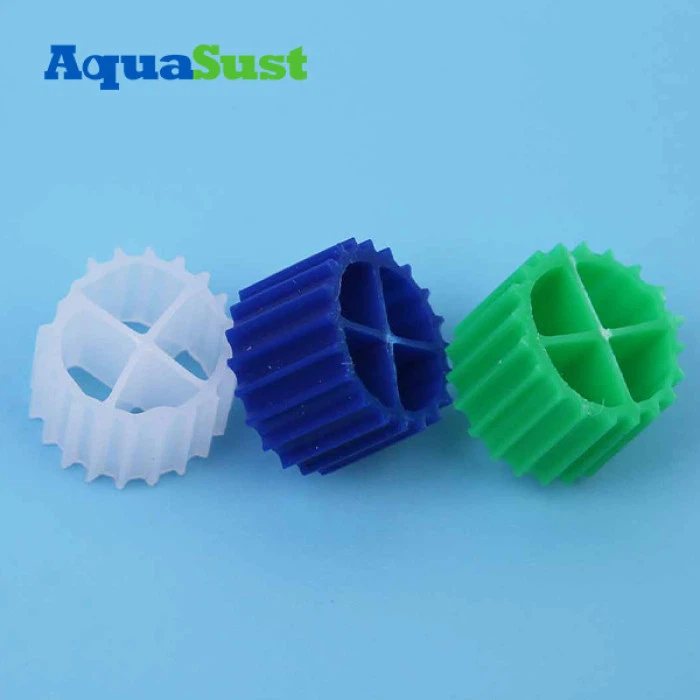
If you're in the aquaculture industry, we also have a great product called MBBR Media AS - MBBR04 For Aquaculture. It's designed to work well with MBR systems and can help improve the water quality in aquaculture ponds.
In conclusion, preventing MBR damage requires a combination of proper installation, regular monitoring, maintenance, and the use of high - quality components. If you have any questions about MBR systems or need help with preventing damage, feel free to reach out to us. We're always here to assist you with your MBR needs and can have in - depth discussions about procurement. We look forward to working with you!
References
- Wastewater Treatment: A Guide to Membrane Bioreactors. XYZ Publishing.
- Handbook of Membrane Separations: Chemical, Pharmaceutical, Food and Biotechnological Applications. ABC Publications.