





Hey there! As a pump supplier, I've been getting a lot of questions lately about diaphragm pumps. So, I thought I'd take some time to break down what a diaphragm pump is, how it works, and why it might be the right choice for your needs.
What is a Diaphragm Pump?
A diaphragm pump, also known as a membrane pump, is a type of positive displacement pump. It uses a flexible diaphragm that moves back and forth to create a vacuum and pressure difference, which in turn draws in and expels fluid. The diaphragm acts as a barrier between the pumping chamber and the drive mechanism, preventing the fluid from coming into contact with the moving parts of the pump.
How Does a Diaphragm Pump Work?
The basic operation of a diaphragm pump can be divided into two main phases: the suction phase and the discharge phase.
Suction Phase
During the suction phase, the diaphragm moves away from the pumping chamber, creating a vacuum. This vacuum causes the inlet valve to open and the fluid to be drawn into the pumping chamber. The diaphragm is typically driven by a mechanical or pneumatic mechanism, such as a motor or an air compressor.
Discharge Phase
Once the pumping chamber is filled with fluid, the diaphragm moves towards the pumping chamber, increasing the pressure. This pressure causes the inlet valve to close and the outlet valve to open, forcing the fluid out of the pumping chamber and into the discharge line.
Types of Diaphragm Pumps
There are several types of diaphragm pumps, each with its own unique features and applications. Some of the most common types include:
Air-Operated Diaphragm Pumps (AODD)
Air-operated diaphragm pumps are powered by compressed air. They are known for their simplicity, reliability, and ability to handle a wide range of fluids, including abrasive, viscous, and corrosive materials. AODD pumps are often used in industries such as chemical processing, food and beverage, and wastewater treatment.
Electric Diaphragm Pumps
Electric diaphragm pumps are powered by an electric motor. They are typically more compact and energy-efficient than air-operated diaphragm pumps, making them a popular choice for applications where space and power consumption are a concern. Electric diaphragm pumps are commonly used in applications such as water transfer, chemical dosing, and fuel transfer.
Hydraulic Diaphragm Pumps
Hydraulic diaphragm pumps are powered by a hydraulic system. They are capable of generating high pressures and are often used in applications where precise control of flow and pressure is required, such as in oil and gas production, chemical injection, and high-pressure cleaning.
Advantages of Diaphragm Pumps
Diaphragm pumps offer several advantages over other types of pumps, including:
Self-Priming
Diaphragm pumps are self-priming, which means they can draw fluid into the pumping chamber without the need for external priming devices. This makes them easy to install and operate, especially in applications where the fluid source is located below the pump.
Dry-Running Capability
Diaphragm pumps can run dry without damage, which is a significant advantage in applications where the fluid supply may be intermittent or where the pump may need to be operated for short periods without fluid.
Ability to Handle Viscous and Abrasive Fluids
Diaphragm pumps are capable of handling a wide range of fluids, including viscous and abrasive materials. The flexible diaphragm allows the pump to accommodate changes in fluid viscosity and to handle solids without clogging.
Chemical Resistance
Diaphragm pumps can be constructed from a variety of materials, including plastics, elastomers, and metals, making them resistant to a wide range of chemicals. This makes them suitable for use in applications where the fluid being pumped is corrosive or hazardous.
Applications of Diaphragm Pumps
Diaphragm pumps are used in a wide range of applications across various industries, including:
Chemical Processing
Diaphragm pumps are commonly used in chemical processing plants to transfer, meter, and dose chemicals. They are capable of handling a wide range of chemicals, including acids, bases, solvents, and polymers.
Food and Beverage
In the food and beverage industry, diaphragm pumps are used to transfer liquids such as milk, juice, beer, and wine. They are designed to meet strict hygiene standards and are often made from food-grade materials.
Pharmaceutical
Diaphragm pumps are used in the pharmaceutical industry to transfer and dispense medications, vaccines, and other pharmaceutical products. They are designed to ensure the purity and integrity of the products being pumped.
Wastewater Treatment
Diaphragm pumps are used in wastewater treatment plants to transfer and pump sludge, sewage, and other wastewater materials. They are capable of handling abrasive and viscous fluids and are often used in applications where the pump needs to be submerged in the wastewater.

Mining and Construction
In the mining and construction industries, diaphragm pumps are used to transfer water, slurry, and other fluids. They are capable of handling high pressures and abrasive materials and are often used in applications such as dewatering, slurry transfer, and dust suppression.
Why Choose Our Diaphragm Pumps?
As a pump supplier, we offer a wide range of diaphragm pumps to meet the needs of our customers. Our pumps are designed and manufactured to the highest standards of quality and reliability, and we offer a comprehensive range of services to ensure that our customers get the most out of their pumps.
Some of the reasons why you should choose our diaphragm pumps include:
Quality and Reliability
We only source our diaphragm pumps from reputable manufacturers who have a proven track record of producing high-quality, reliable pumps. Our pumps are built to last and are backed by a comprehensive warranty.
Wide Range of Options
We offer a wide range of diaphragm pumps, including air-operated, electric, and hydraulic pumps, in various sizes and configurations. This allows us to provide our customers with the right pump for their specific application.
Technical Support
Our team of experienced technicians is available to provide technical support and advice to our customers. We can help you select the right pump for your application, install and commission the pump, and provide ongoing maintenance and repair services.
Competitive Pricing
We offer competitive pricing on all of our diaphragm pumps and related products. We believe that quality and reliability should not come at a premium, and we are committed to providing our customers with the best value for their money.
Conclusion
In conclusion, diaphragm pumps are a versatile and reliable type of pump that can be used in a wide range of applications across various industries. They offer several advantages over other types of pumps, including self-priming, dry-running capability, ability to handle viscous and abrasive fluids, and chemical resistance.
If you're in the market for a diaphragm pump, we encourage you to contact us to discuss your specific needs. Our team of experts will be happy to help you select the right pump for your application and provide you with a competitive quote. Whether you're looking for an air-operated diaphragm pump, an electric diaphragm pump, or a hydraulic diaphragm pump, we have the products and services to meet your needs. So, don't hesitate to reach out and let's start the conversation!
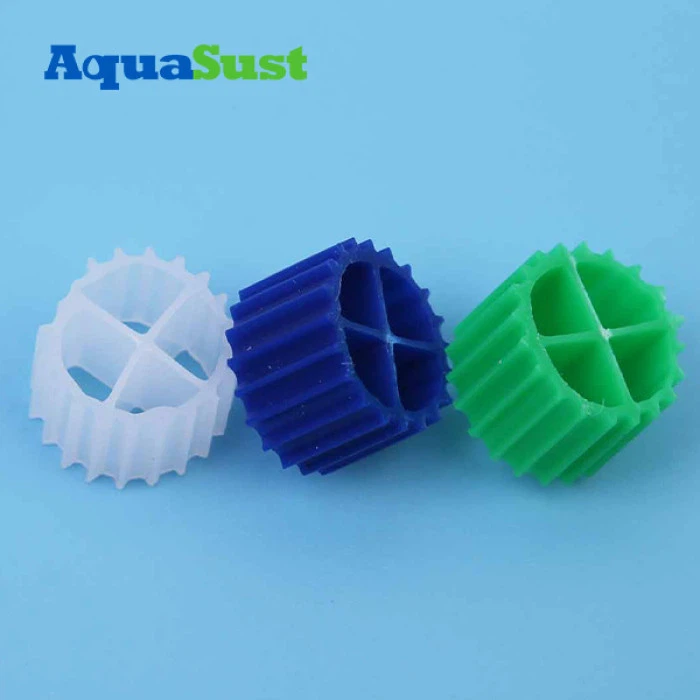
If you're also interested in aquaculture, you might want to check out MBBR Media AS-MBBR04 For Aquaculture. It's a great product for improving water quality in aquaculture systems.
References
- Pump Handbook, 4th Edition, by Igor J. Karassik, Joseph P. Messina, Paul Cooper, Charles C. Heald
- Chemical Engineering Handbook, 8th Edition, by Perry and Green
- Food and Beverage Processing Handbook, by Joseph F. Francois