





How to protect a PP Tube Settler in a salt - water environment
As a supplier of PP Tube Settlers, I understand the challenges that come with using these essential components in salt - water environments. PP Tube Settlers are widely used in various water treatment applications, including those in marine and coastal settings. However, the harsh nature of salt - water can pose significant threats to their longevity and performance. In this blog, I'll share some practical strategies on how to protect a PP Tube Settler in a salt - water environment.

Understanding the Threats of Salt - Water
Salt - water is a highly corrosive medium. The high concentration of salts, mainly sodium chloride, along with other minerals and dissolved gases, can accelerate the degradation of many materials. For PP (Polypropylene) Tube Settlers, the main concerns include:
- Chemical Corrosion: The salts in the water can react with the surface of the PP material over time. Although PP is generally resistant to many chemicals, long - term exposure to salt - water can cause surface erosion, leading to a loss of structural integrity.
- Biofouling: Salt - water environments are rich in marine organisms such as algae, barnacles, and mussels. These organisms can attach themselves to the surface of the PP Tube Settler, reducing its flow capacity and efficiency. The presence of biofouling can also create micro - environments that promote further corrosion.
- Mechanical Stress: Waves, currents, and the movement of water in salt - water bodies can subject the PP Tube Settler to mechanical stress. This can cause physical damage, such as cracking or deformation, especially if the settler is not properly installed or supported.
Protective Coatings
One of the most effective ways to protect a PP Tube Settler in a salt - water environment is by applying a protective coating. There are several types of coatings available, each with its own advantages:
- Epoxy Coatings: Epoxy coatings provide a hard, durable barrier against chemical corrosion and biofouling. They can be applied directly to the surface of the PP Tube Settler, forming a tight bond that resists the penetration of salt - water and marine organisms. Epoxy coatings also offer good mechanical protection, helping to prevent physical damage from waves and currents.
- Anti - Fouling Coatings: These coatings are specifically designed to prevent the attachment of marine organisms. They work by releasing chemicals that deter the growth of algae, barnacles, and other fouling organisms. Anti - fouling coatings can significantly reduce the maintenance requirements of the PP Tube Settler and improve its long - term performance.
- UV - Resistant Coatings: In salt - water environments, the PP Tube Settler is often exposed to sunlight. UV radiation can cause the PP material to become brittle and degrade over time. UV - resistant coatings can absorb or reflect UV rays, protecting the PP Tube Settler from this type of damage.
Regular Cleaning and Maintenance
Regular cleaning and maintenance are crucial for protecting a PP Tube Settler in a salt - water environment. Here are some recommended maintenance practices:
- Physical Cleaning: Use a soft brush or pressure washer to remove any accumulated dirt, debris, and biofouling from the surface of the PP Tube Settler. Be careful not to use abrasive materials that could scratch the surface and compromise the protective coating.
- Chemical Cleaning: Periodically, use a mild cleaning solution to remove stubborn stains and deposits. Make sure to choose a cleaning solution that is compatible with the PP material and any protective coatings applied.
- Inspection: Regularly inspect the PP Tube Settler for signs of damage, such as cracks, deformation, or coating failure. Early detection of problems can allow for timely repairs and prevent further damage.
Proper Installation and Support
The way a PP Tube Settler is installed and supported can also have a significant impact on its performance and durability in a salt - water environment. Here are some installation tips:
- Secure Mounting: Ensure that the PP Tube Settler is securely mounted to a stable structure. Use appropriate fasteners and supports to prevent movement and vibration caused by waves and currents.
- Proper Alignment: Align the PP Tube Settler correctly to ensure optimal flow and sedimentation. Misalignment can lead to uneven wear and reduced efficiency.
- Structural Reinforcement: In areas with high wave energy or strong currents, consider adding additional structural reinforcement to the PP Tube Settler. This can help to prevent physical damage and extend its lifespan.
Complementary Products
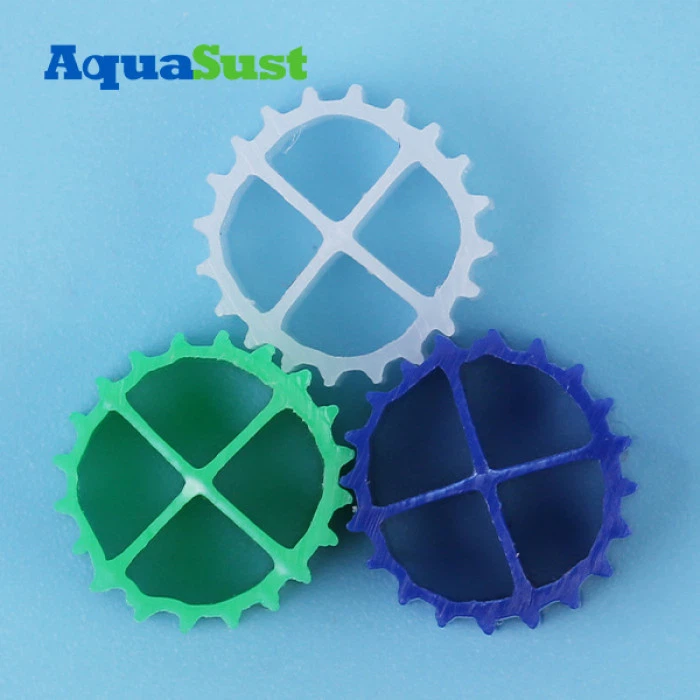
In addition to the above measures, using complementary products can also enhance the protection of a PP Tube Settler in a salt - water environment. For example, MBBR Media AS - MBBR04 For Aquaculture can be used in conjunction with the PP Tube Settler. MBBR media provides a large surface area for the growth of beneficial bacteria, which can help to break down organic matter and reduce the load on the settler. This can improve the overall water treatment efficiency and reduce the risk of biofouling.
Contact for Purchase and Consultation
If you are interested in purchasing high - quality PP Tube Settlers or need more information on how to protect them in a salt - water environment, please feel free to contact us. Our team of experts is ready to assist you with your specific needs and provide you with the best solutions. We can offer customized products and services to ensure that your water treatment system operates efficiently and effectively in any salt - water environment.
References
- ASTM International. (Year). Standard test methods for evaluating the performance of protective coatings in marine environments.
- National Association of Corrosion Engineers (NACE). (Year). Guidelines for the protection of plastic materials in salt - water applications.
- Water Environment Federation (WEF). (Year). Best practices for the operation and maintenance of water treatment systems in coastal areas.