

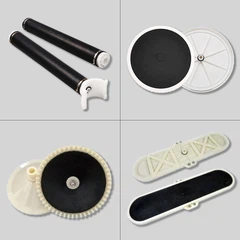


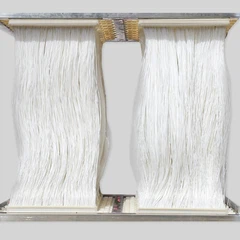


Hey there! As a supplier of Membrane Bioreactors (MBRs), I've seen firsthand the unique challenges that come with treating wastewater from the cosmetic industry. In this blog, I'm gonna break down those challenges and explain how our MBRs can help tackle them.
Understanding Cosmetic Industry Wastewater
First off, let's talk about what makes cosmetic industry wastewater so tricky. The cosmetic industry uses a wide range of chemicals in its products, from fragrances and dyes to preservatives and surfactants. When these products are manufactured, a significant amount of wastewater is generated, and it's chock - full of these complex and often hazardous substances.
One of the main issues is the high chemical oxygen demand (COD). COD is a measure of the amount of oxygen required to chemically oxidize the organic matter in the wastewater. Cosmetic wastewater typically has a very high COD due to the presence of organic compounds like oils, fats, and polymers. This means that traditional wastewater treatment methods might not be enough to break down all these substances effectively.
Another challenge is the presence of heavy metals. Cosmetics often contain small amounts of heavy metals such as lead, mercury, and cadmium, which can end up in the wastewater. These heavy metals are toxic and need to be removed before the water can be safely discharged or reused.
Challenges in Treating Cosmetic Wastewater with MBRs
1. Membrane Fouling
Membrane fouling is probably the biggest headache when it comes to using MBRs for cosmetic wastewater treatment. The complex mixture of chemicals in the wastewater can cause the membrane pores to clog up. For example, the oils and fats in the cosmetic products can form a layer on the membrane surface, reducing its permeability. This not only decreases the efficiency of the treatment process but also increases the energy consumption as more pressure is needed to force the water through the fouled membrane.
To combat this, regular membrane cleaning is necessary. But cleaning can be a time - consuming and costly process. Plus, some of the cleaning agents might damage the membrane over time, shortening its lifespan.
2. Microbial Inhibition
The chemicals in cosmetic wastewater can also inhibit the growth and activity of the microorganisms in the MBR. These microorganisms are responsible for breaking down the organic matter in the wastewater. However, substances like preservatives and disinfectants can be toxic to the microbes, killing them or reducing their ability to perform their job.
When the microbial activity is inhibited, the treatment efficiency drops significantly. This means that the wastewater might not meet the required discharge standards, and we have to find alternative ways to remove the remaining pollutants.
3. High Cost of Treatment
Treating cosmetic wastewater with MBRs can be expensive. The initial investment in an MBR system is relatively high compared to traditional treatment methods. There are also the ongoing costs of membrane replacement, energy consumption, and chemical dosing for cleaning and pH adjustment.
Moreover, due to the complex nature of the wastewater, additional treatment steps might be required before or after the MBR process. For example, pre - treatment to remove large particles and post - treatment to remove any remaining heavy metals or trace contaminants. All these extra steps add to the overall cost of the treatment.
4. Variability in Wastewater Composition
Cosmetic products are constantly evolving, with new formulations being developed all the time. This means that the composition of the wastewater can vary significantly from one batch to another. An MBR system that is optimized for one type of cosmetic wastewater might not work as well for another.
This variability makes it difficult to design a one - size - fits - all MBR system. We have to constantly monitor the wastewater composition and adjust the operating parameters of the MBR accordingly, which requires a high level of technical expertise.
How Our MBRs Can Help
Despite these challenges, our MBRs are designed to handle the tough job of treating cosmetic wastewater.
1. Advanced Membrane Technology
We use state - of - the - art membrane materials that are more resistant to fouling. Our membranes have a special surface coating that reduces the adhesion of oils and fats. This helps to maintain the membrane permeability for a longer period, reducing the frequency of cleaning and the associated costs.
2. Customized Microbial Communities
We can customize the microbial communities in our MBRs to be more resistant to the chemicals in cosmetic wastewater. By carefully selecting and cultivating specific strains of bacteria, we can ensure that the microorganisms can continue to break down the organic matter even in the presence of toxic substances.
3. Cost - Effective Solutions
We understand the cost concerns, and we work with our customers to develop cost - effective treatment solutions. We offer flexible payment options and can help optimize the operating parameters of the MBR to reduce energy consumption and chemical usage.
4. Adaptability
Our MBR systems are highly adaptable. We can easily adjust the treatment process based on the changing composition of the wastewater. Our team of experts is always on standby to provide technical support and make the necessary adjustments to ensure the best treatment results.
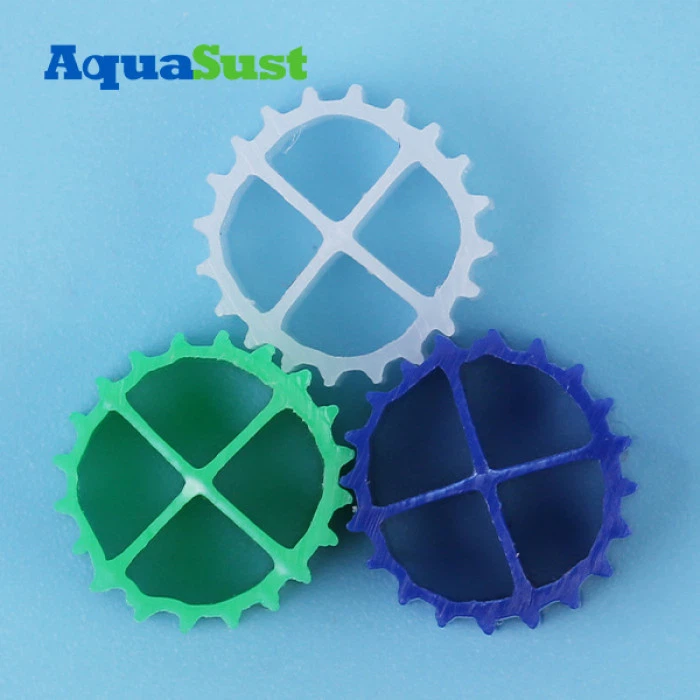
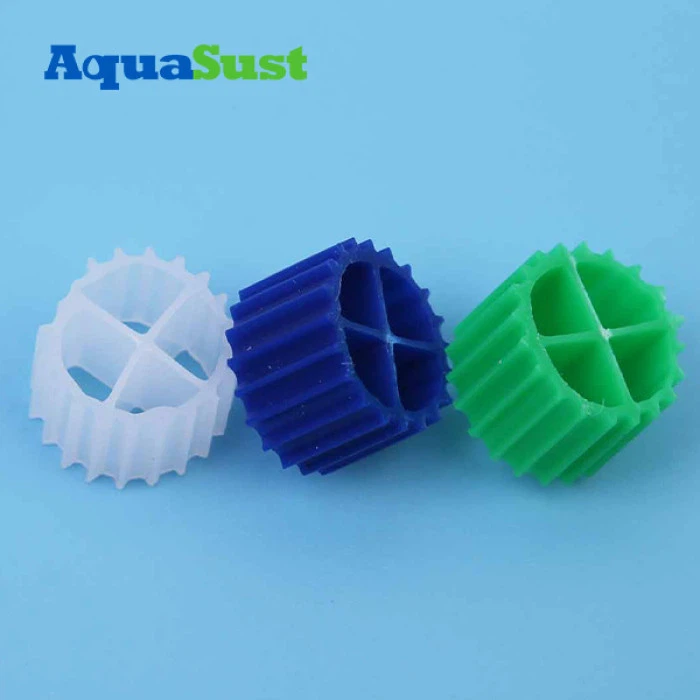
Our Product Recommendation: MBBR Media AS - MBBR04 For Aquaculture
If you're looking for additional media to enhance the performance of your wastewater treatment system, I'd like to recommend our MBBR Media AS - MBBR04 For Aquaculture. This media can provide a large surface area for the attachment of microorganisms, increasing the microbial activity in the system. It can be used in combination with our MBRs to improve the overall treatment efficiency, especially when dealing with complex wastewater like that from the cosmetic industry.
Contact Us for Procurement
If you're facing challenges in treating your cosmetic industry wastewater and think our MBRs could be the solution, don't hesitate to reach out. We're here to offer you professional advice, customized solutions, and top - notch products. Whether you're a small - scale cosmetic manufacturer or a large - scale production facility, we have the expertise to meet your needs. Let's work together to make your wastewater treatment process more efficient and cost - effective.
References
- Smith, J. (2020). "Advanced Wastewater Treatment Technologies". Elsevier.
- Johnson, A. et al. (2019). "Membrane Bioreactors for Industrial Wastewater Treatment: Challenges and Solutions". Journal of Environmental Science and Technology.
- Brown, C. (2018). "Microbial Ecology in Wastewater Treatment Systems". Springer.