





What is the Carbon Footprint of an Aeration Diffuser?
As a supplier of aeration diffusers, I often get asked about the carbon footprint of these essential pieces of equipment. In this blog post, I'll delve into what the carbon footprint of an aeration diffuser is, the factors that influence it, and how we can work towards reducing it.
Understanding Carbon Footprint
Before we dive into the specifics of aeration diffusers, let's first understand what a carbon footprint is. A carbon footprint is the total amount of greenhouse gases, primarily carbon dioxide (CO2), emitted directly or indirectly by an individual, organization, event, or product throughout its life cycle. This includes the extraction and processing of raw materials, manufacturing, transportation, use, and disposal.
Carbon Footprint of an Aeration Diffuser
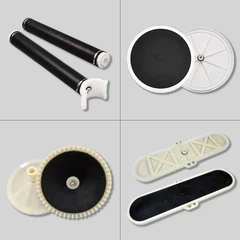
An aeration diffuser is a device used to introduce air into a liquid, typically in wastewater treatment plants, aquaculture systems, and industrial processes. The carbon footprint of an aeration diffuser can be broken down into several key stages:
Raw Material Extraction and Processing
The first stage in the life cycle of an aeration diffuser is the extraction and processing of raw materials. Common materials used in aeration diffusers include rubber, plastic, and metal. The extraction of these materials, such as mining for metals or drilling for oil to produce plastics, often requires significant energy inputs, which in turn emit greenhouse gases. For example, the production of steel, a common metal used in some diffuser components, is energy-intensive and releases a large amount of CO2.
Manufacturing
Once the raw materials are extracted and processed, they are used to manufacture the aeration diffuser. The manufacturing process involves various steps, such as molding, machining, and assembly. Each of these steps requires energy, usually in the form of electricity or fossil fuels. The energy consumption during manufacturing contributes to the carbon footprint of the diffuser. Additionally, the chemicals and solvents used in the manufacturing process may also have associated greenhouse gas emissions.
Transportation
After the aeration diffuser is manufactured, it needs to be transported to the end-user. The mode of transportation, distance traveled, and the efficiency of the transportation system all play a role in determining the carbon footprint. For instance, shipping a diffuser overseas by container ship may have a lower carbon footprint per unit of weight compared to air freight, but it also takes longer. On the other hand, local transportation by truck may be more convenient but can have a higher carbon footprint depending on the fuel efficiency of the vehicle.
Use
During its use, an aeration diffuser consumes energy to operate. Most aeration diffusers are powered by air compressors, which require electricity. The energy consumption of the air compressor depends on factors such as the size of the diffuser, the depth of the water, and the required air flow rate. The electricity used to power the air compressor is often generated from fossil fuels, which emit CO2. Therefore, the energy consumption during the use phase can be a significant contributor to the carbon footprint of the aeration diffuser.
Disposal
At the end of its life cycle, the aeration diffuser needs to be disposed of. If the diffuser is made of materials that are difficult to recycle, such as certain types of plastics or composite materials, it may end up in a landfill. Landfills are a major source of methane, a potent greenhouse gas that is even more effective at trapping heat in the atmosphere than CO2. Recycling the diffuser can reduce the carbon footprint by reducing the need for new raw materials and the energy required for their extraction and processing.
Factors Influencing the Carbon Footprint
Several factors can influence the carbon footprint of an aeration diffuser:
Design and Efficiency
The design of the aeration diffuser can have a significant impact on its energy consumption and, therefore, its carbon footprint. A well-designed diffuser can provide efficient air distribution, reducing the amount of energy required to achieve the desired level of aeration. For example, diffusers with a high oxygen transfer efficiency can deliver more oxygen to the water with less energy input.
Material Selection
The choice of materials used in the aeration diffuser can also affect its carbon footprint. As mentioned earlier, some materials, such as steel and certain plastics, have a higher carbon footprint associated with their extraction and processing. Using more sustainable materials, such as recycled plastics or bio-based polymers, can help reduce the carbon footprint of the diffuser.
Operating Conditions
The operating conditions of the aeration diffuser, such as the water temperature, pH, and the presence of contaminants, can also influence its energy consumption. For example, in colder water, more energy may be required to achieve the same level of aeration compared to warmer water. Additionally, the presence of contaminants in the water can clog the diffuser, reducing its efficiency and increasing energy consumption.
Reducing the Carbon Footprint of Aeration Diffusers
As a supplier of aeration diffusers, we are committed to reducing the carbon footprint of our products. Here are some strategies we can implement:
Improve Design and Efficiency
We can invest in research and development to improve the design of our aeration diffusers. This includes optimizing the shape and size of the diffuser, as well as the distribution of air holes, to improve oxygen transfer efficiency. By reducing the energy consumption of the diffuser, we can lower its carbon footprint during the use phase.
Use Sustainable Materials
We can explore the use of more sustainable materials in the manufacturing of our aeration diffusers. This includes using recycled materials, such as recycled rubber or plastic, as well as bio-based polymers. By reducing the reliance on virgin materials, we can reduce the carbon footprint associated with raw material extraction and processing.
Optimize Manufacturing Processes
We can optimize our manufacturing processes to reduce energy consumption and waste generation. This includes using energy-efficient equipment, such as LED lighting and high-efficiency motors, and implementing lean manufacturing principles to minimize waste. Additionally, we can recycle and reuse materials generated during the manufacturing process to reduce the need for new raw materials.
Provide Energy-Efficient Solutions
We can offer energy-efficient solutions to our customers, such as variable frequency drives (VFDs) for air compressors. VFDs can adjust the speed of the compressor based on the actual demand, reducing energy consumption and carbon emissions. We can also provide training and support to our customers on how to operate the aeration diffusers in the most energy-efficient way.
Promote Recycling and Reuse
We can encourage our customers to recycle and reuse our aeration diffusers at the end of their life cycle. This can be done by providing information on recycling options and offering incentives for recycling. By promoting recycling and reuse, we can reduce the amount of waste sent to landfills and the associated greenhouse gas emissions.
Conclusion
The carbon footprint of an aeration diffuser is influenced by various factors throughout its life cycle, from raw material extraction to disposal. As a supplier, we have a responsibility to minimize the carbon footprint of our products. By improving design and efficiency, using sustainable materials, optimizing manufacturing processes, providing energy-efficient solutions, and promoting recycling and reuse, we can work towards reducing the environmental impact of our aeration diffusers.


If you're interested in learning more about our aeration diffusers and how they can help you reduce your carbon footprint, please don't hesitate to contact us. We're also proud to offer MBBR Media AS-MBBR04 For Aquaculture, a high-quality product for aquaculture applications. We look forward to discussing your needs and finding the best solutions for you.
References
- IPCC. (2014). Climate Change 2014: Synthesis Report. Contribution of Working Groups I, II and III to the Fifth Assessment Report of the Intergovernmental Panel on Climate Change.
- EPA. (2023). Greenhouse Gas Equivalencies Calculator. Retrieved from https://www.epa.gov/energy/greenhouse-gas-equivalencies-calculator
- Water Environment Federation. (2022). Aeration in Wastewater Treatment. Retrieved from https://www.wef.org/resources/education-resources/aeration-in-wastewater-treatment/