





In the realm of wastewater treatment and aquaculture, Moving Bed Biofilm Reactor (MBBR) technology has emerged as a highly efficient and reliable solution. At the heart of this technology lies the MBBR mixer, a crucial component that plays a pivotal role in ensuring the optimal performance of the entire system. As a leading supplier of MBBR mixers, I am often asked about the cost - effectiveness analysis of using these mixers. In this blog post, I will delve into the various aspects of cost - effectiveness associated with MBBR mixers and explain why they are a smart investment for your wastewater treatment or aquaculture needs.
Initial Investment
The first aspect of cost - effectiveness analysis is the initial investment required to purchase and install an MBBR mixer. Compared to some traditional wastewater treatment equipment, the upfront cost of an MBBR mixer might seem relatively high. However, it is important to consider the long - term benefits.
MBBR mixers are designed to be highly durable and reliable. They are built with high - quality materials that can withstand the harsh conditions of wastewater treatment and aquaculture environments. This means that you are less likely to encounter frequent breakdowns or need to replace the mixer in the short term. For example, our MBBR mixers are made from corrosion - resistant alloys and have a robust motor design, which significantly extends their lifespan.
In addition, the installation process of an MBBR mixer is relatively straightforward. With proper planning and the right installation team, the mixer can be up and running in a short period of time, minimizing the disruption to your operations. This also helps to reduce the overall installation cost.
Operational Costs
One of the most significant advantages of using an MBBR mixer is its low operational cost. These mixers are highly energy - efficient, which translates into substantial savings on electricity bills over time. The unique design of the MBBR mixer allows it to create a uniform flow pattern in the reactor, ensuring that the biofilm carriers are evenly distributed and in constant contact with the wastewater or aquaculture water. This efficient mixing process requires less energy compared to some other mixing technologies.

Moreover, the MBBR mixer requires minimal maintenance. Regular maintenance tasks such as lubrication and inspection can be easily carried out by your in - house maintenance team. The spare parts of our MBBR mixers are readily available, and they are designed for easy replacement, further reducing the maintenance cost and downtime.
Another aspect of operational cost is the cost of chemicals. In a well - mixed MBBR system, the biological treatment process is more efficient, which means that less chemical additives are required to achieve the desired water quality. This not only saves on the cost of chemicals but also reduces the environmental impact of your operations.
Performance and Productivity
The performance of an MBBR mixer directly impacts the productivity of the wastewater treatment or aquaculture system. A high - quality MBBR mixer ensures that the biofilm carriers are continuously moving and in contact with the water, promoting the growth of beneficial bacteria. These bacteria play a crucial role in breaking down organic matter, removing nutrients, and improving water quality.
In wastewater treatment plants, the use of an MBBR mixer can lead to a higher treatment capacity and better effluent quality. This means that you can treat more wastewater with the same or smaller footprint, which is especially important for plants with limited space. In aquaculture, a well - mixed system provides a more stable and healthy environment for the aquatic organisms, leading to higher growth rates and better survival rates.
For example, in a fish farm using an MBBR system with our mixer, the fish have shown improved growth performance compared to farms using traditional systems. The uniform distribution of oxygen and nutrients in the water, facilitated by the mixer, has created an ideal living environment for the fish.
Return on Investment (ROI)
When considering the cost - effectiveness of an MBBR mixer, it is essential to calculate the return on investment. The ROI takes into account the initial investment, operational costs, and the benefits derived from the improved performance of the system.
Over the long term, the savings on energy, chemicals, and maintenance, combined with the increased productivity and improved water quality, result in a significant return on investment. For many of our customers, the payback period for an MBBR mixer is relatively short, usually within a few years. This makes the MBBR mixer a financially viable option for both small - scale and large - scale operations.
Case Studies
To further illustrate the cost - effectiveness of using an MBBR mixer, let's look at some real - world case studies.
A small - scale wastewater treatment plant in a rural area was facing challenges with high energy consumption and poor treatment efficiency. After installing our MBBR mixer, the plant saw a 30% reduction in energy consumption within the first year. The improved mixing also led to a 20% increase in the treatment capacity, allowing the plant to serve more customers without the need for a major expansion. The payback period for the mixer was estimated to be around 2 years.
In an aquaculture facility, the use of an MBBR mixer improved the water quality significantly. The reduced ammonia and nitrite levels in the water led to a 15% increase in the survival rate of the fish. The overall production of the facility increased by 20%, resulting in higher revenues. The cost savings on water exchange and chemical treatments also contributed to the cost - effectiveness of the investment.
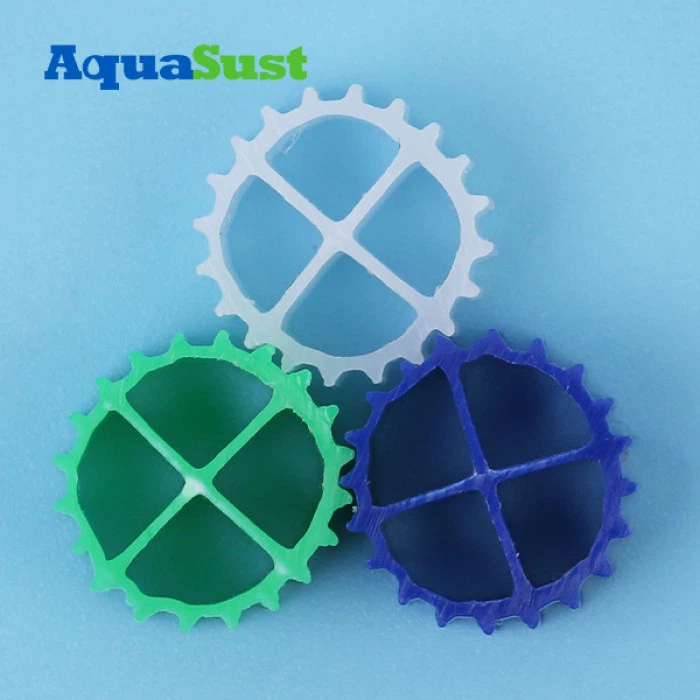
MBBR Media AS - MBBR04 For Aquaculture
When using an MBBR mixer, it is important to choose the right MBBR media. Our MBBR Media AS - MBBR04 For Aquaculture is specifically designed for aquaculture applications. It provides a large surface area for the growth of biofilm, which enhances the biological treatment process. The combination of our high - quality MBBR mixer and the AS - MBBR04 media ensures optimal performance and cost - effectiveness in your aquaculture system.
Conclusion
In conclusion, the cost - effectiveness analysis of using an MBBR mixer clearly shows that it is a wise investment for wastewater treatment and aquaculture applications. The initial investment is offset by the long - term savings on operational costs, the improved performance and productivity of the system, and the significant return on investment.
If you are considering upgrading your wastewater treatment or aquaculture system, I encourage you to explore the benefits of using our MBBR mixers. Our team of experts is ready to assist you in choosing the right mixer for your specific needs and provide you with comprehensive support throughout the installation and operation process. Contact us today to start a discussion about your requirements and how our MBBR mixers can help you achieve your goals.
References
- "Wastewater Treatment Technology: Principles and Design" by Metcalf & Eddy
- "Aquaculture Engineering" by Martin Timmons and James E. Losordo
- Industry reports on MBBR technology and its applications