





Introduction
Aeration diffuser membranes operate continuously in wastewater treatment systems, where they are exposed to wastewater, air, pressure, and fouling conditions. Over time, membrane performance can change due to material aging, surface fouling, chemical exposure, or operating conditions. Knowing when an aeration diffuser membrane should be replaced helps maintain stable aeration performance and avoid unnecessary energy consumption or reduced oxygen transfer.

What Role Does the Membrane Play in an Aeration Diffuser?
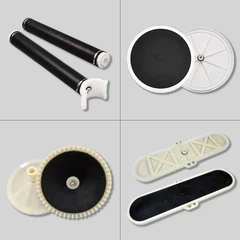
The membrane is a key working component of an aeration diffuser. Its pore structure allows compressed air to pass through the membrane and form bubbles in the wastewater. The membrane material and pore design influence how evenly air is distributed and how the diffuser performs under different operating conditions.
Different wastewater applications may require different membrane materials. Common options include EPDM, PTFE, silicone, and TPU, with each material offering different resistance to chemicals, temperature, UV exposure, and operating conditions. Selecting a membrane that matches the wastewater environment is therefore important for maintaining diffuser performance over time.
What Are the Signs That an Aeration Diffuser Membrane Needs Replacement?
There is no single replacement interval that applies to every wastewater aeration system. Instead, the membrane should be evaluated according to its physical condition and changes in aeration performance.
Uneven Bubble Distribution
When bubbles become noticeably uneven across the diffuser surface, some areas may release less air than others. If uneven bubbling continues during normal operation, it may indicate changes in the membrane pores, surface condition, or membrane structure. This is a useful sign that the diffuser should be inspected more closely.
Increased Airflow Resistance
If the system requires higher air pressure to maintain the expected airflow, the membrane may have developed increased resistance due to fouling, pore blockage, or deterioration. A gradual and persistent increase compared with previous operating conditions can indicate that the membrane is no longer performing as efficiently as before and may need further evaluation.
Visible Membrane Damage
Cracks, tears, hardening, deformation, or other visible damage are clear reasons to inspect the membrane for replacement. These changes can affect how the membrane opens under air pressure and may lead to irregular airflow or bubble formation. When physical damage is extensive or appears across multiple areas, replacement should be considered.
Reduced Aeration Performance
A noticeable decline in aeration performance can also indicate that the membrane is approaching the end of its useful service life. If airflow or bubble formation remains below the expected level after appropriate cleaning and routine maintenance, the membrane should be inspected to determine whether deterioration or other damage is affecting diffuser performance.
What Causes Aeration Diffuser Membranes to Wear Out?
Membrane deterioration is usually related to a combination of wastewater conditions, operating
practices, and material characteristics rather than a single factor.
Wastewater Characteristics
Wastewater may contain oils, grease, suspended solids, chemicals, and other substances that can accumulate on or interact with the membrane surface. The type and concentration of these substances can influence membrane performance and service life.
Fouling and Scaling
Fouling occurs when contaminants accumulate on the membrane surface or around its pores. Scaling and deposits can restrict airflow and change bubble formation, gradually increasing diffuser resistance and reducing aeration effectiveness.
Chemical and Environmental Exposure
Continuous exposure to chemicals, temperature changes, and other environmental conditions can affect membrane materials over time. The resistance of the selected membrane material should therefore correspond to the characteristics of the wastewater treatment process.
Operating Conditions
Airflow and operating conditions also affect membrane performance. Operating outside the appropriate airflow range can contribute to uneven membrane operation, excessive fouling, or premature deterioration. Maintaining suitable operating conditions can help reduce unnecessary stress on the membrane.
How Can You Extend the Service Life of Aeration Diffuser Membranes?
Proper operation and maintenance can help reduce premature membrane deterioration
and maintain stable diffuser performance between replacements.
Operating the diffuser within its suitable airflow range helps maintain consistent membrane opening and bubble formation. Avoiding unnecessarily high or low airflow can also help reduce operating problems associated with membrane stress and fouling.
Regularly observing bubble distribution provides a simple way to identify changes in diffuser performance. Uneven bubbling or reduced airflow in specific areas can indicate that inspection or cleaning is required.
Regular cleaning or backwashing, where appropriate for the diffuser system, can help remove accumulated contaminants and maintain open pores. The maintenance method should be selected according to the membrane material and wastewater conditions.
Choosing a membrane material according to the actual wastewater environment can help improve long-term durability. EPDM, PTFE, silicone, and TPU membranes can be selected for different operating requirements, including chemical exposure and environmental conditions.
Routine inspection allows physical damage, hardening, fouling, and other changes to be identified before they significantly affect the aeration system. This makes it easier to determine whether cleaning, maintenance, or membrane replacement is appropriate.
Conclusion
Aeration diffuser membranes should be replaced based on their physical condition and changes in aeration performance rather than operating time alone. Regular inspection, suitable airflow, effective fouling control, and appropriate membrane material selection can help maintain diffuser performance and extend membrane service life. AquaSust provides aeration diffuser membranes in EPDM, PTFE, silicone, and TPU, supporting different wastewater treatment and operating requirements. Contact us to discuss your aeration application and find a suitable membrane solution for your diffuser system.