





Introduction
Traditional aquaculture methods are currently facing numerous dilemmas, including the deterioration of water quality and severe resource waste. In contrast, the Recirculating Aquaculture System (RAS) has become a more popular model due to its ability to control aquaculture conditions and collect waste. It makes it possible to raise fish in any climate and location, regardless of the outside temperature. However, when actually constructing a RAS system, you may encounter many problems and not know what to do. This article will deeply analyze the challenges of establishing a RAS system and share practical techniques to help you improve the efficiency of aquaculture.
What are the Difficulties in Establishing a RAS System?
When establishing a recirculating aquaculture system, we often face the following challenges:
(1) Stringent Water Quality Management: The RAS system with a high density of aquaculture organisms has extremely strict requirements for water quality. We need to be able to control indicators such as water temperature, pH value, dissolved oxygen, ammonia nitrogen, and nitrite very well. An unsuitable growth environment can cause healthy fish to be poisoned, grow slowly, or even die.
(2) High Investment Costs
The investment costs of a RAS system are relatively high, especially in the initial construction stage, mainly including:
Purchase a large number of equipment, and renovate or expand the site.
A large amount of energy consumption, such as electricity and gas.
Consumables such as filter materials, disinfectants, and pharmaceuticals.
Labor costs and equipment maintenance costs.

(3) Frequent Equipment Maintenance: The RAS system consists of various complex equipment, such as filter, ventilation, monitoring, and temperature control. We use these devices to simulate different environments. For example, fish can obtain more light and oxygen to help their growth. If these devices malfunction, problems such as water quality deterioration and insufficient dissolved oxygen may occur in the water of the system. Therefore, it is best to hire highly skilled personnel to operate and supervise the system.
(4) Rapid Spread of Diseases: Due to the relatively high density of aquaculture organisms in the RAS system, once an individual is infected with a disease, the pathogen is likely to spread rapidly in the water body, leading to large-scale outbreaks. Moreover, in a high-density aquaculture environment, fish have a greater stress response, and their own immunity may decrease, making them more vulnerable to pathogen attacks.

Tips to Establish a Recirculating Aquaculture System (RAS)

Before constructing a RAS system, you should conduct a comprehensive cost budget for the aquaculture project. For example, you can select RAS equipment, and renovate or expand the site according to factors such as the aquaculture scale, fish species, customer distribution, and seasonal price fluctuations. By negotiating with the bank, you may be able to purchase the equipment in installments or apply for government support loans to relieve the financial pressure.
• Water Quality Management: Using data software to analyze the water quality in the aquaculture fish pond can help you predict water quality changes in advance. According to historical data, we have found that during the peak aquaculture season, the ammonia nitrogen content in the water body will rise every afternoon. At this time, we can increase the aeration volume of the biological filter to promote the decomposition of ammonia nitrogen by microorganisms.
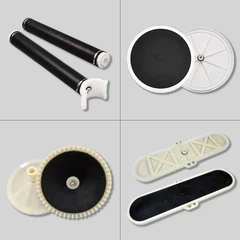
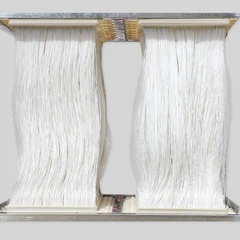
• Biological Filtration System: To more effectively adsorb organic matter and impurities in the water, choose appropriate biological filter media. This includes selecting aeration diffusers with breathable and highly adsorbent membranes. In addition, at the initial stage of starting the biological filter, you can maintain a stable growth environment for microorganisms by inoculating dominant microbial strains and controlling the quality and quantity of the influent water.

Optimized Energy Management
How about choosing more energy-efficient water pumps and air compressors for your RAS system? Their prices may be slightly higher, but they are definitely worth it in the long run. For example, they can reduce the operating power of the aeration equipment to save electricity bills when the fish are less active at night. Or, you can consider using renewable energy sources, such as solar energy and wind energy, to save operating costs.

For the sustainable development of your aquaculture project, please hire a management team with rich experience in RAS. They need to be responsible for operating your RAS farm, including workplace safety, hygiene, employee training, public relations, etc. You also need to ensure that employees receive appropriate training, especially in filling out and storing records.
Establishment of an Equipment Maintenance System
After the RAS system is put into use, you should also formulate a complete equipment maintenance plan. This mainly refers to setting the maintenance steps, contents, and time nodes of the equipment. In addition, you can also obtain timely technical support and after-sales service through the cooperative water treatment equipment. For example, AquaSust provides its customers with after-sales service with a response time of within 24 hours.
Conclusion
Through the above steps, you can gradually build an efficient and sustainable recirculating aquaculture system. As a pioneer in water treatment and a RAS system supplier, AquaSust recommends that you start with a small-scale project and then gradually expand the scale. If you want to learn more about industry technology trends, such as low-energy membrane filtration and high-efficiency aeration technology, please feel free to contact our experts at any time.