






Introduction
In wastewater treatment, the biochemical oxygen demand (BOD) is an indicator for measuring the content of aerobic pollutants such as organic matter in water. The higher the BOD value, the more aerobic pollutants there are in the water. In order to maintain the safety and cleanliness of water bodies, it is necessary for us to control the BOD level in wastewater. In this article, we will discuss the reasons for the increase in BOD, the importance of reducing the BOD level, and how to effectively control it.
What Causes a High BOD in Wastewater?

(1) Industrial Production: Industrial production is one of the main reasons for the increase in BOD in wastewater, especially in the food processing industry. When we process food, a large amount of water is needed for washing, rinsing, and cooking food. A large number of organic substances such as carbohydrates, proteins, and oils will remain in this water.
(2) Domestic Sewage: Domestic sewage contains a large amount of human excreta, detergents, food residues, and other organic substances. According to statistics, the BOD content of ordinary urban sewage is about 200 - 400mg/L.
(3) Agricultural Activities: In agricultural production, a large amount of chemical fertilizers and pesticides are used, and livestock and poultry farming also produces a lot of manure. The livestock farming wastewater often enter water circle with irrigation water, rainwater runoff, or agricultural discharges. At this time, the decomposition of microorganisms in the water is intensified, causing the BOD level to rise.
The Necessity of Controlling BOD in Wastewater
• When the BOD in wastewater is too high, microorganisms in the water will consume a large amount of dissolved oxygen when decomposing these organic substances. This will suffocate aquatic organisms (such as fish, shrimps, and seaweeds) and may trigger an imbalance in the aquatic ecosystem.
• When the dissolved oxygen content is lower than 2mg/L, the water body will turn black and give off a foul smell, affecting the lives of residents.
• In order to discharge wastewater smoothly, the BOD level of the water must meet the standards of national environmental regulations.
• An excessively high BOD will increase the load on the wastewater treatment plant. This means that the wastewater treatment equipment needs to consume more energy to treat these high-concentration pollutants.

How Can We Reduce the BOD in Wastewater?
Reduce Total Suspended Solids (TSS)
The total suspended solids (TSS) in wastewater contain many organic particulate substances, which will increase the BOD of the wastewater. A high TSS level will make the water turbid and reduce its oxygen content. Through physical methods such as sedimentation and filtration, we can reduce the TSS and remove most of the suspended solids in the wastewater.
Increase the Aeration Volume of the Activated Sludge
In the activated sludge system, microorganisms obtain energy and nutrients by decomposing organic substances. We can provide more dissolved oxygen for the microorganisms by increasing the aeration volume, promoting their metabolism, and accelerating the decomposition of organic substances. It should be noted that an excessively high aeration volume may disintegrate the activated sludge.
Use an EQ Tank of Appropriate Size
The main function of the equalization tank (EQ tank) is to regulate the quality and quantity of wastewater. An EQ tank of appropriate size can buffer and homogenize the wastewater, making the BOD level of the wastewater entering the subsequent treatment units relatively stable.
Membrane Bioreactor (MBR)
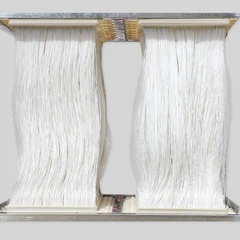
In the MBR system, the membrane module can retain the microorganisms and macromolecular organic substances in the activated sludge. It can maintain a relatively high concentration of microorganisms in the reactor and prolong the residence time of microorganisms. In this case, the microorganisms can decompose the organic substances more fully, and the BOD in the wastewater will also be reduced.
Coagulation and Flocculation
Commonly used coagulants in wastewater treatment include aluminum sulfate and polyaluminum chloride, and flocculants include polyacrylamide, etc. Under appropriate dosage of chemicals and reaction conditions, these two processes can remove the suspended solids and part of the organic substances in the wastewater, thereby reducing the BOD index.
Dissolved Air Flotation (DAF)
By introducing a large number of tiny bubbles into the wastewater, DAF can remove the oils, suspended solids, and part of the organic substances in the wastewater, thus controlling the BOD level. The bubbles it generates can combine with the pollutants in the wastewater to form a gas-solid or gas-liquid-solid three-phase mixture. When these mixtures float to the water surface, we can use a scum scraping device to remove them.
Aeration
Aeration is used to increase the dissolved oxygen content in the wastewater, promoting the growth and metabolism of aerobic microorganisms, which is helpful for reducing the BOD. The specific method is to introduce air into the water body through equipment such as aeration diffusers and aeration hoses. This method is mainly used in some small-scale wastewater treatment facilities or natural water body restoration projects. The specific method is to introduce air into the water body through equipment such as aeration discs and aeration hoses.
Control the Temperature
Generally speaking, the activated sludge process can treat wastewater better within the temperature range of 15℃ - 35℃. Because when the temperature is lower than 10℃, the activity of microorganisms will be significantly inhibited, and the BOD removal rate will decrease. In cold regions or in winter, we can heat or insulate the treatment facilities to maintain an appropriate growth temperature for the microorganisms.

Best BOD Treatment in Wastewater
As a professional wastewater treatment provider, AquaSust has a wealth of cases in wastewater BOD management. For different wastewater qualities and treatment goals, our technical team provides customized solutions to solve the problems of high TSS and BOD in wastewater. Our experts are here to share relevant knowledge with you, so contact us now.