

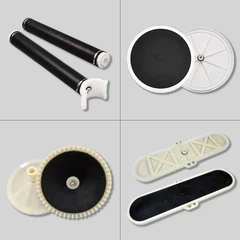


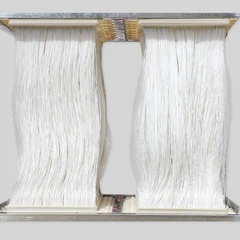


Introduction
When purchasing replacement or new diffuser membranes for wastewater aeration systems, the accuracy of the quotation depends largely on the information provided to the supplier. A request that only states the required quantity or membrane name may not provide enough information to determine the appropriate material, dimensions, configuration, or application suitability. Providing relevant product specifications, existing diffuser details, operating conditions, and project requirements gives the supplier a clearer basis for evaluating the request and preparing a quotation. Understanding what information matters can therefore help buyers make the inquiry process more efficient and reduce unnecessary specification adjustments later.
What Is a Diffuser Membrane?
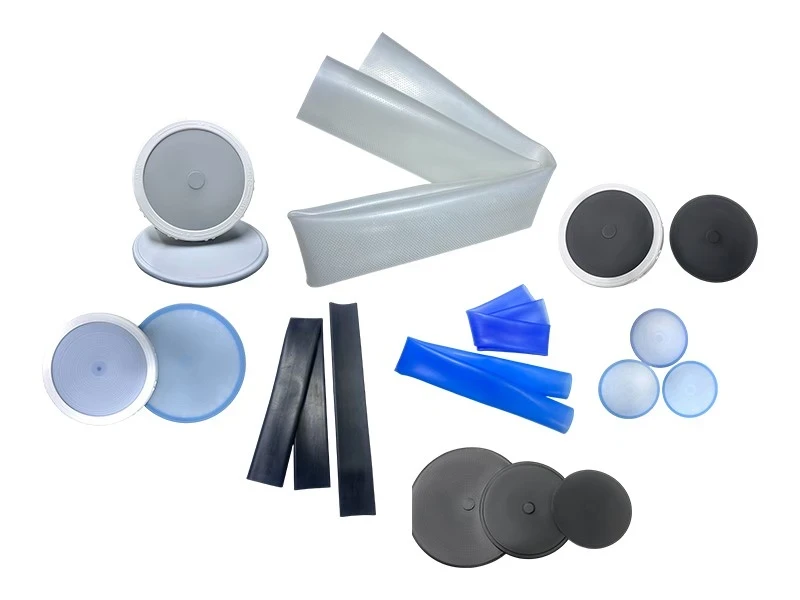
A diffuser membrane is the flexible microporous component used in membrane-based wastewater aeration diffusers to release air into water as bubbles. Its pores allow compressed air to pass through the membrane and disperse into the wastewater, supporting oxygen transfer during biological treatment. Diffuser membranes are commonly made from materials such as EPDM, PTFE, silicone, and TPU, with differences in material properties, thickness, pore size, and surface design affecting their operating characteristics. Because the membrane works directly within the aeration process, its specifications need to correspond with the diffuser structure and the conditions of the wastewater treatment application.
Why Accurate Information Matters When Requesting a Diffuser Membrane Quote?
A diffuser membrane quotation requires more than simply identifying the product name. The supplier needs sufficient information to understand the intended application, determine compatibility, and define the product configuration before preparing a price.
• Ensures Product Compatibility - Accurate technical information gives the supplier a basis for matching the membrane with the existing or planned diffuser structure and installation requirements.
• Supports Application Assessment - Information about the working environment helps the supplier evaluate whether the proposed membrane material and construction are appropriate for the intended wastewater aeration conditions.
• Improves Quotation Accuracy - A clearly defined product specification and project scope reduce the need for the supplier to make assumptions when determining the quoted configuration and quantity.
• Reduces Communication Delays - Providing relevant information at the beginning of the inquiry can reduce repeated questions and unnecessary exchanges during technical confirmation.
What Information Should You Send a Diffuser Membrane Supplier for a Quote?
Providing clear and relevant details at the beginning of the inquiry can give the supplier a better basis for preparing the quotation.
Product Specifications
If the required membrane specification is already known, provide the membrane material, dimensions, thickness, and pore size to help the supplier identify the required product. Materials such as EPDM, PTFE, silicone, and TPU have different properties and applications, so specifying the required material can prevent an unsuitable configuration from being quoted. For replacement orders, the original membrane specification or part number can also be provided when available.
Existing Diffuser Information
For replacement projects, information about the existing diffuser can help the supplier determine whether the proposed membrane is compatible with the current equipment. Provide the diffuser type, model or part number, overall dimensions, connection details, and any available technical documentation. If original specifications are unavailable, clear photographs of the diffuser, membrane, connection area, and product label can provide useful reference information for technical confirmation.
Operating Conditions
The supplier should understand the environment in which the membrane will be used. Relevant details include the wastewater type, operating temperature, airflow rate, operating pressure, and potential chemical exposure. Information about sludge accumulation, particulate fouling, scaling, or other conditions affecting the membrane can also be useful, as these factors help the supplier assess whether the selected membrane material and construction are appropriate for the operating environment.
Project Requirements
The inquiry should also state the practical requirements of the project, including whether the membrane is intended for a replacement application or a new installation and how many units are required. Any specific customization requirements, such as special dimensions, materials, pore specifications, or other technical requirements, should be communicated at this stage. For larger wastewater treatment projects, available drawings, diffuser layouts, equipment specifications, or related project documents can further clarify the requirements for quotation.
Why Does Complete Information Help Suppliers Quote More Accurately?
Once the supplier has complete information, the quotation process becomes more clearly defined from both the technical and commercial perspectives.
• More Accurate Product Matching - Complete information about membrane specifications, diffuser configuration, and operating conditions helps the supplier identify a configuration that corresponds more closely to the application.
• Fewer Specification Errors - Existing product dimensions, drawings, photographs, and technical details reduce the risk of misunderstandings when identifying replacement membranes or confirming customized requirements.
• Faster Technical Confirmation - Providing relevant information in the initial inquiry reduces repeated communication about product specifications, operating conditions, and installation requirements.
• Clearer Quotation Scope - Quantity, replacement requirements, customization details, and project information give the supplier a clearer basis for determining what products and specifications should be included in the quotation.
For buyers, preparing the relevant information before sending an RFQ can therefore make supplier communication more efficient while providing a clearer technical basis for evaluating the quoted membrane.
Conclusion
An accurate diffuser membrane quotation starts with accurate and complete project information. Buyers should provide the available membrane specifications, existing diffuser details, operating conditions, and order requirements so that the supplier can evaluate compatibility and define the appropriate quotation scope. AquaSust provides diffuser membranes in EPDM, PTFE, silicone, and TPU for different wastewater aeration applications, with membrane options available for different technical requirements. Contact us with your existing diffuser specifications, operating conditions, required quantity, and available drawings or photos to discuss your requirements and request a suitable diffuser membrane quotation.