





Introduction
In recent years, recirculating aquaculture systems (RAS) have gained increasing popularity among aquaculture farmers. Besides increasing fish production, they also have a higher water-use efficiency than traditional flow-through systems. By properly managing waste, the RAS can maintain clean water quality and help fish grow healthily. In this article, AquaSust will share some tips to help you better operate your RAS.
The Importance of Managing Waste in RAS
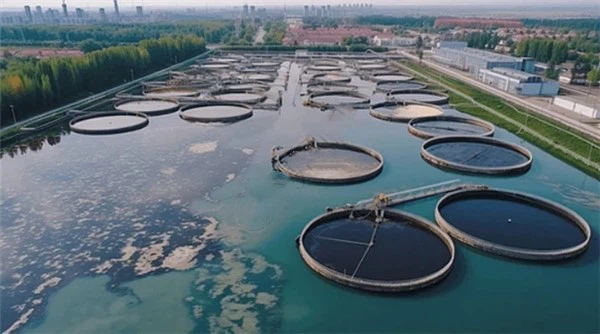
In a closed aquaculture environment, fish excreta, uneaten feed, and metabolic products, if not treated in a timely manner, will decompose to produce toxic substances such as ammonia-nitrogen. This may lead to:
• Water quality deterioration: The same water body is reused repeatedly, becoming increasingly turbid.
• Disease and stress: High-concentration waste can cause fish poisoning, making them susceptible to diseases.
• System inefficiency: Waste accumulation can clog filters and reduce water flow.
• Environmental pollution: Eventually, pollutants accumulate and are discharged into the ecological environment.
Tips for Managing Waste in RAS
1. Physically Intercept Solid Waste
The solid waste in the RAS mainly consists of fragmented and suspended feces of fish and shrimp and uneaten feed. Various filters are usually used to remove solid particles with a diameter larger than 50 micrometers. This includes rotating stainless-steel filters, foam protein separators, and ultraviolet disinfectors.

2. Use Chemical Agents to Adjust Water Quality
When physical filtration cannot completely solve the problem, we usually use a carbon dioxide stripping tower or a sodium hydroxide dosing device to stabilize the pH value of the water body. At the same time, we use chelating agents to reduce the degree of heavy-metal pollution. If you want to improve the color of the water body, the ozone oxidation method can help you effectively treat dissolved organic matter.
3. Waste Recycling and Reuse
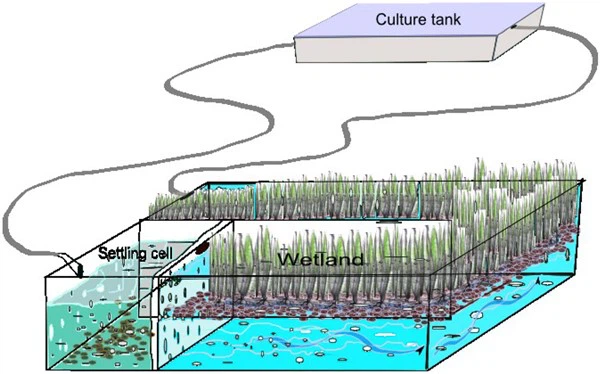
You can also try to convert waste into valuable agricultural fertilizer through methods such as earthworm breeding or straw composting. This model has been successfully applied in many RAS farms in Denmark. In addition, the chlorella in the wastewater can also absorb ammonia-nitrogen and orthophosphate components. The biomass rich in omega-3 fatty acids produced by them can be reused as a feed additive.
4. Timely Harvesting and Stocking
Harvesting fish in batches and stocking new fry in a timely manner can avoid sudden changes in system load. In this mode, the growth state of fish, water quality, and space utilization in the RAS will remain relatively stable.
5. Feed Management
You can use slow-sinking pellet feed to prolong the feeding time and reduce waste production. Or, you can also develop an automatic feeding system based on the behavior of fish schools. This refers to forming a feeding mode of small amounts and multiple times through functions such as camera recognition and acoustic sensors to reduce feed waste.
6. Sensors and Monitoring
If you plan to engage in RAS aquaculture in the long term, we recommend that you set up an automatic monitoring system. This is to better detect water quality, temperature, pH value, and other real-time data. These data can reflect the changing trend of waste concentration in water, so that you can arrange filtration and other operations in advance.

Conclusion
By understanding the above knowledge, we believe you have a preliminary understanding of how to manage waste in the RAS. As a leading wastewater treatment solution provider, AquaSust will provide you with a full set of RAS equipment and customized design solutions according to your aquaculture species, scale, and site. Please contact our team to upgrade your sustainable RAS.