





Introduction
Nitrification is a common biochemical process in water treatment across industries, municipal systems, and aquaculture. It primarily lays the groundwork for subsequent denitrification processes. But what exactly is nitrification, and how does it relate to the water treatment process? As a water treatment expert, AquaSust will explore the answers with you.
What Is Nitrification?
Nitrification is the process by which microorganisms gradually oxidize ammonium (NH₄⁺) into nitrite (NO₂⁻) and nitrate (NO₃⁻), carried out by two types of autotrophic bacteria:
(1) Nitrosomonas: Converts ammonium to nitrite (NH₄⁺ → NO₂⁻)
(2) Nitrobacter: Further oxidizes nitrite to nitrate (NO₂⁻ → NO₃⁻)
Nitrification requires a stable environment, including optimal temperature (25–30°C), pH (7.5–8.5), and dissolved oxygen (DO ≥ 2 mg/L). Any imbalance in these conditions may slow down the process.
Why is Nitrification So Important?
● Ammonia Removal: Many wastewater types contain nitrogen and ammonia, with ammonia being a toxic compound harmful to fish and shrimp.
● Water Quality Maintenance: By converting ammonia to nitrate, it maintains higher dissolved oxygen levels in water bodies and prevents eutrophication.
● Ecosystem Improvement: It also helps enhance overall water quality and reduce unpleasant odors.
How Does Nitrification Factor into Water Treatment?
Nitrification primarily occurs during the biological treatment phase of wastewater processing, including:

Activated Sludge Process
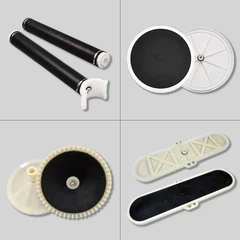
In traditional activated sludge systems, nitrification typically takes place in aeration tanks. If the sludge retention time (SRT) is too short, nitrifying bacteria struggle to accumulate and compete with heterotrophic bacteria for oxygen and space, leading to reduced ammonium removal efficiency. To address this, high-efficiency aeration diffusers (micro-porous aeration disks) are often used. These disks enhance oxygen transfer efficiency (OTE) in water, preventing localized hypoxia in aeration tanks.

MBBR Process
Moving Bed Biofilm Reactors (MBBRs) use suspended plastic carriers that provide attachment surfaces for microorganisms. These microbes break down organic matter in water to purify it. In MBBR systems, nitrifying bacteria efficiently attach to carrier surfaces, forming stable biofilms that remove ammonium more rapidly.

Sludge Treatment
Factors like low temperatures or industrial wastewater shocks can lead to reduced nitrification efficiency. Sludge recirculation systems and sludge dewatering equipment are used in such cases. The former replenishes nitrifying bacterial populations, while the latter (centrifugal sludge machines) reduces sludge water content and prevents wastewater treatment inefficiencies caused by sludge bulking.
FAQs
Conclusion
Nitrification is a fundamental component of modern water treatment, removing ammonium from water to improve quality. It participates in various treatment stages, including aeration, MBBR processes, and sludge management. As a leading water treatment solutions provider, AquaSust offers standardized water treatment products and customized project designs to global clients. If you'd like more information, contact us for professional support.