

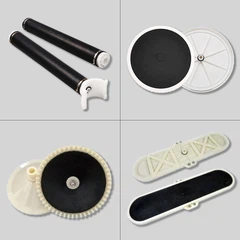


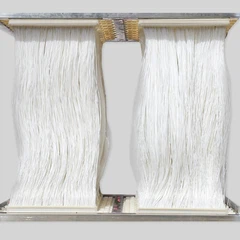


In the world of aquarium keeping, achieving and maintaining biological stability is a cornerstone for the well - being of aquatic life. One of the unsung heroes in this pursuit is the Bio Balls. As a supplier of high - quality Bio Balls, I've witnessed firsthand the transformative impact these little spheres can have on an aquarium's ecosystem. In this blog, I'll delve into how Bio Balls contribute to the biological stability of an aquarium.
Understanding the Basics of Aquarium Biological Stability
Before we explore the role of Bio Balls, it's crucial to understand what biological stability in an aquarium means. An aquarium is a closed ecosystem where fish, plants, and other organisms coexist. For this ecosystem to thrive, the water parameters need to remain relatively constant. Key factors include the levels of ammonia, nitrite, and nitrate.
Ammonia is produced through fish waste, uneaten food, and the decomposition of organic matter. It is highly toxic to fish even at low concentrations. Nitrite, which is produced during the first stage of ammonia breakdown, is also toxic. Nitrate, the end - product of the nitrogen cycle, is less toxic but can still cause problems in high concentrations. A biologically stable aquarium has a well - established nitrogen cycle that efficiently converts ammonia to nitrite and then to nitrate.
How Bio Balls Facilitate the Nitrogen Cycle
Bio Balls are typically made of a porous plastic material with a large surface area. This large surface area serves as a prime real - estate for beneficial bacteria. These bacteria are the workhorses of the nitrogen cycle in an aquarium.
Colonization of Beneficial Bacteria
When Bio Balls are introduced into an aquarium's filtration system, they quickly become colonized by two types of bacteria: Nitrosomonas and Nitrobacter. Nitrosomonas bacteria are responsible for converting ammonia into nitrite. This is the first step in the nitrogen cycle and is crucial because it removes the highly toxic ammonia from the water.
Once the ammonia is converted to nitrite, Nitrobacter bacteria take over. They convert the nitrite into nitrate, which is much less harmful to fish. The porous structure of Bio Balls provides countless nooks and crannies where these bacteria can attach and multiply. This high surface - area - to - volume ratio allows for a large population of beneficial bacteria to thrive, which in turn accelerates the nitrogen cycle.
Maintaining a Balanced Bacteria Population
The presence of Bio Balls helps maintain a stable population of these beneficial bacteria. Unlike some other filtration media, Bio Balls are not easily clogged. This means that the water can flow freely through them, ensuring that the bacteria have a constant supply of oxygen and nutrients. Oxygen is essential for the survival and activity of these aerobic bacteria.
In a well - functioning aquarium with Bio Balls, the bacteria population can adapt to changes in the ammonia and nitrite levels. For example, if there is an increase in fish waste due to overfeeding or an addition of new fish, the bacteria on the Bio Balls can quickly ramp up their activity to handle the extra load. This ability to adjust to changing conditions is a key factor in maintaining the biological stability of the aquarium.
Improving Water Quality
The efficient operation of the nitrogen cycle facilitated by Bio Balls directly translates into improved water quality.
Reducing Toxicity
By converting ammonia and nitrite into nitrate, Bio Balls significantly reduce the toxicity of the aquarium water. This creates a healthier environment for fish, invertebrates, and plants. Fish are less likely to suffer from ammonia or nitrite poisoning, which can manifest as symptoms such as lethargy, loss of appetite, and fin rot.
Enhancing Clarity
In addition to reducing toxicity, Bio Balls also contribute to water clarity. As the beneficial bacteria break down organic matter, they help prevent the build - up of debris in the water. This results in clearer, more visually appealing water. Clear water is not only aesthetically pleasing but also indicates a well - balanced ecosystem.
Supporting the Overall Ecosystem
Bio Balls play a role in supporting the entire aquarium ecosystem beyond just the nitrogen cycle.
Promoting Plant Growth
The reduced nitrate levels in an aquarium with Bio Balls can be beneficial for plants. While plants can use nitrate as a nutrient, excessive nitrate can lead to algae blooms. By keeping nitrate levels in check, Bio Balls help create an environment where plants can grow healthily without being overshadowed by algae.
Benefiting Invertebrates
Invertebrates such as shrimp and snails are also sensitive to water quality. The improved water quality provided by Bio Balls ensures that these creatures can thrive. They are more likely to reproduce and remain active in a stable, low - toxicity environment.
Comparing Bio Balls with Other Filtration Media
When it comes to aquarium filtration, there are various types of media available. How do Bio Balls stack up against the competition?
Compared to Mechanical Filtration Media
Mechanical filtration media, such as filter pads, are designed to physically trap debris from the water. While they are effective at removing large particles, they do not contribute to the biological filtration process. Bio Balls, on the other hand, focus on biological filtration. They work in tandem with mechanical filtration media to provide a comprehensive filtration solution.
Compared to Chemical Filtration Media
Chemical filtration media, like activated carbon, are used to remove impurities and odors from the water. While they can be useful in certain situations, they do not play a role in the nitrogen cycle. Bio Balls, with their ability to host beneficial bacteria, are essential for maintaining the biological stability of the aquarium.
MBBR Media AS - MBBR04 For Aquaculture
If you're looking for an advanced solution in biological filtration, you might want to explore MBBR Media AS - MBBR04 For Aquaculture. This media takes the concept of providing a large surface area for beneficial bacteria to the next level. It is designed to be highly efficient in aquaculture settings, which require strict control of water quality.
Conclusion and Call to Action
In conclusion, Bio Balls are an invaluable asset in achieving and maintaining the biological stability of an aquarium. They support the nitrogen cycle, improve water quality, and contribute to the overall health of the aquarium ecosystem. Whether you're a novice aquarium keeper or an experienced aquarist, Bio Balls can make a significant difference in the success of your aquarium.
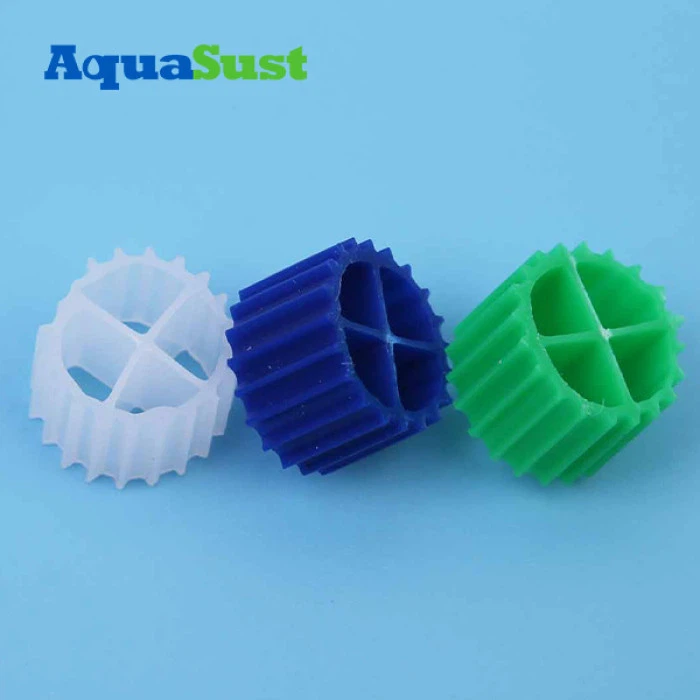
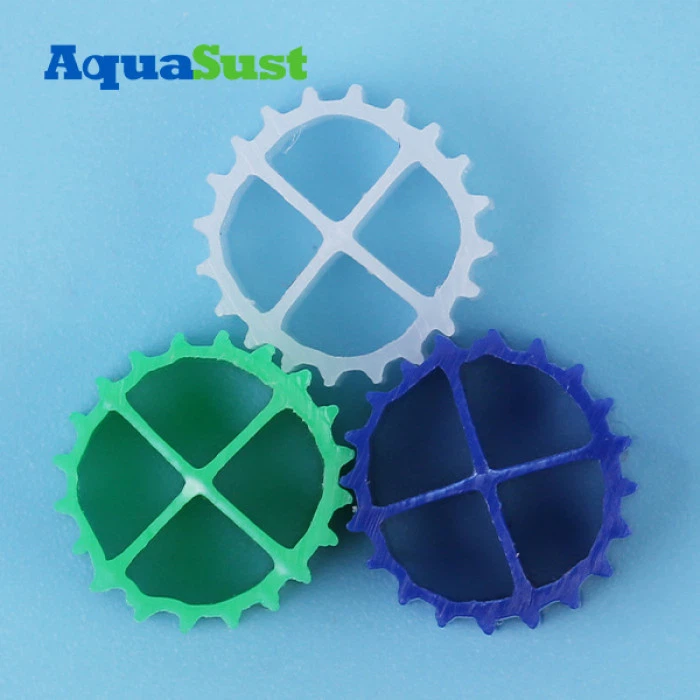
If you're interested in enhancing the biological stability of your aquarium, I invite you to reach out to discuss your specific needs. Our team of experts is ready to assist you in selecting the right Bio Balls for your aquarium. Let's work together to create a thriving aquatic environment.
References
- Spotte, S. (1979). Captive Seawater Fishes: Selection, Husbandry, and Diseases. John Wiley & Sons.
- Shreck, C. B., & Moyle, P. B. (1990). Methods for Fish Biology. American Fisheries Society.
- Timmons, M. B., & Ebeling, J. M. (2013). Recirculating Aquaculture. Elsevier.