

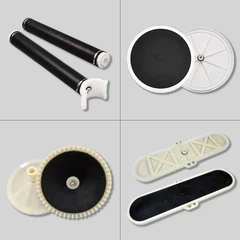


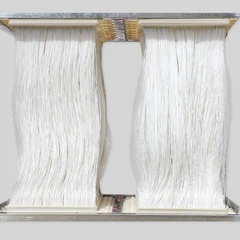


Hey there! As a supplier of MBBR mixers, I often get asked about how to choose the right one for a specific wastewater treatment plant. It's a crucial decision that can significantly impact the efficiency and effectiveness of the treatment process. So, let's dive right in and explore the key factors you should consider.
1. Understand the Basics of MBBR
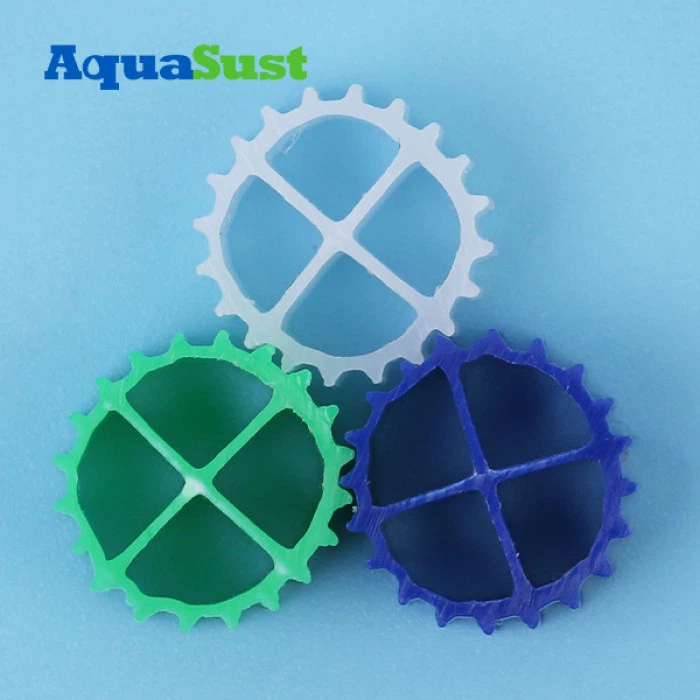
First things first, let's quickly go over what MBBR is. Moving Bed Biofilm Reactor (MBBR) is a popular wastewater treatment technology that uses floating plastic carriers (media) to support the growth of biofilms. These biofilms are responsible for breaking down organic matter and removing pollutants from the wastewater. The mixer plays a vital role in ensuring proper distribution of the media throughout the reactor, promoting contact between the wastewater and the biofilms.
2. Consider the Size and Capacity of the Treatment Plant
One of the most important factors to consider is the size and capacity of the wastewater treatment plant. You need to know the flow rate of the wastewater, the volume of the reactor, and the type of pollutants you're dealing with. A larger treatment plant will require a more powerful mixer to ensure adequate mixing and distribution of the media. On the other hand, a smaller plant may be able to get by with a less powerful mixer.
For example, if you have a small-scale aquaculture wastewater treatment plant, you might not need a high-capacity mixer. In such cases, you can check out MBBR Media AS-MBBR04 For Aquaculture. This media is specifically designed for aquaculture applications and can work well with a suitable mixer.
3. Evaluate the Mixing Requirements
The mixing requirements of the treatment plant depend on several factors, including the type of media used, the shape and size of the reactor, and the flow pattern of the wastewater. You need to ensure that the mixer can provide sufficient agitation to keep the media in suspension and prevent it from settling at the bottom of the reactor.
There are different types of mixers available, such as axial flow mixers, radial flow mixers, and combination mixers. Axial flow mixers are great for creating a long, narrow flow pattern, which is ideal for large reactors. Radial flow mixers, on the other hand, are better suited for smaller reactors or areas where more intense mixing is required. Combination mixers offer the best of both worlds and can be a good choice for many applications.
4. Look at the Power and Energy Efficiency
Power consumption is an important consideration, especially for large wastewater treatment plants. You want to choose a mixer that can provide the necessary mixing performance while consuming as little energy as possible. Look for mixers with high-efficiency motors and advanced impeller designs that can optimize the mixing process.
Some mixers come with variable speed drives, which allow you to adjust the speed of the mixer based on the actual mixing requirements. This can help save energy and reduce operating costs in the long run.
5. Check the Durability and Maintenance Requirements
Wastewater treatment plants can be harsh environments, with exposure to chemicals, high humidity, and abrasive materials. So, you need a mixer that is built to last. Look for mixers made from high-quality materials that are resistant to corrosion and wear.
In addition, consider the maintenance requirements of the mixer. A mixer that is easy to maintain and repair can save you a lot of time and money in the long term. Check if the mixer has easily accessible parts and if the manufacturer provides good after-sales support.

6. Consider the Compatibility with Other Equipment
The MBBR mixer needs to be compatible with other equipment in the wastewater treatment plant, such as pumps, aerators, and control systems. Make sure that the mixer can be easily integrated into the existing system without any major modifications.
For example, if your treatment plant uses a specific type of control system, ensure that the mixer can communicate with it and be controlled effectively. This will help ensure the smooth operation of the entire treatment process.
7. Read Reviews and Get Recommendations
Before making a final decision, it's a good idea to read reviews from other wastewater treatment plant operators who have used the mixers you're considering. You can also get recommendations from industry experts, consultants, or other suppliers. Their real-world experiences can provide valuable insights and help you avoid potential pitfalls.
8. Think About the Cost
Of course, cost is always a factor. However, it's important to look at the overall value rather than just the upfront price. A more expensive mixer may offer better performance, energy efficiency, and durability, which can result in lower operating costs and longer service life.
Compare the prices of different mixers, but also consider the long-term savings and benefits they can provide. Sometimes, investing a little more upfront can pay off in the long run.
Conclusion
Choosing the right MBBR mixer for a specific wastewater treatment plant is not an easy task, but by considering the factors mentioned above, you can make an informed decision. Remember to take into account the size and capacity of the plant, the mixing requirements, power and energy efficiency, durability, compatibility, and cost.
If you're still unsure about which mixer is right for your wastewater treatment plant, don't hesitate to reach out to us. We're here to help you find the best solution for your specific needs. Whether you're running a small aquaculture plant or a large industrial wastewater treatment facility, we have the expertise and the products to meet your requirements. Contact us today to start the procurement process and take your wastewater treatment to the next level!
References
- Metcalf & Eddy. (2014). Wastewater Engineering: Treatment and Resource Recovery. McGraw-Hill Education.
- WEF (Water Environment Federation). (2019). Design Manual - Biological Fixed-Film Processes. Water Environment Federation.