





Introduction
Recirculating Aquaculture Systems (RAS) rely on effective water treatment to maintain stable growing conditions and maximize production efficiency. Among the various treatment stages, mechanical filtration in RAS plays a critical role by removing suspended solids before they affect water quality and biological treatment processes. As one of the most widely used mechanical filtration solutions, a drum filter for RAS helps fish farms maintain cleaner water, improve operational efficiency, and support healthier aquatic environments. Understanding how these systems work and how to choose the right model can significantly improve the performance of any aquaculture operation.

Why Mechanical Filtration Matters in RAS
Fish feces, uneaten feed, and organic debris are continuously generated in aquaculture systems. If these solids remain in circulation, they gradually break down into smaller particles and dissolved pollutants that place additional stress on biofilters and other treatment equipment. Effective mechanical filtration in RAS removes waste before decomposition occurs, helping maintain water clarity, stabilize water quality parameters, and reduce the overall treatment burden. By minimizing suspended solids, farms can improve fish health, reduce disease risks, and create more efficient recirculating systems that support long-term production goals.
How a Drum Filter Works
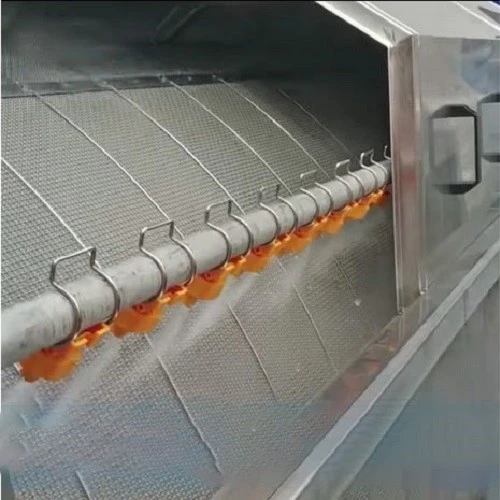
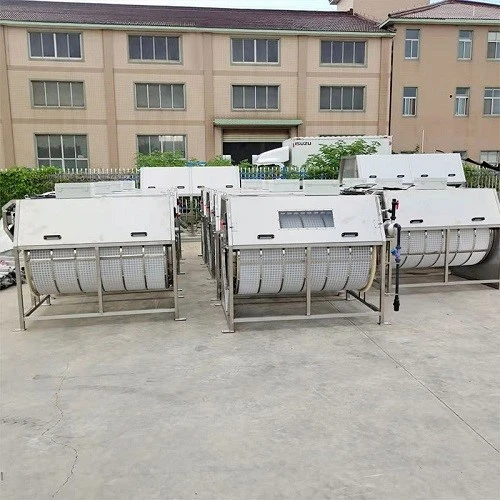
An aquaculture drum filter uses a rotating cylindrical screen to separate suspended solids from circulating water. As water flows through the filter, fine mesh screens capture particles while allowing clean water to pass into the next treatment stage. When debris accumulates on the screen surface, sensors trigger an automatic backwash cycle. High-pressure spray nozzles clean the screen while the drum rotates, flushing concentrated waste out of the system. This continuous filtration and self-cleaning process allows a rotary drum filter aquaculture system to operate efficiently with minimal manual maintenance, making it a preferred solution for modern RAS facilities.
Key Advantages of a Quality Drum Filter
A well-designed drum filter makes a significant difference in RAS performance. Taking Aquasust's rotary drum filter as an example, a properly engineered unit delivers the following key advantages:
- High Durability
- Efficient Solid-Liquid Separation
- Automatic Backwashing System
- Reasonable Transmission Design
- Easy to Maintain
-
 High Durability
Most parts of the rotary drum filter are made of high-strength stainless steel or anti-corrosion materials, allowing it to be used in seawater or highly polluted water. Its structure is optimally designed to withstand long-term wear and vibration during operation, ensuring many years of reliable service.
-
 Efficient Solid-Liquid Separation
The filter surface is covered with a high-quality stainless steel microfiltration screen, featuring high filtration accuracy. It efficiently removes solid particles and suspended matter, keeping the effluent clear and clean. This high level of filtration protects downstream equipment and maintains optimal water clarity for fish health.
-
 Automatic Backwashing System
An intelligent control system automatically cleans the filter screen according to preset instructions. This ensures the screen maintains high filtration speed and flow rate at all times, without the need for manual monitoring or operation. The result is consistent performance with minimal labor input.
-
 Reasonable Transmission Design
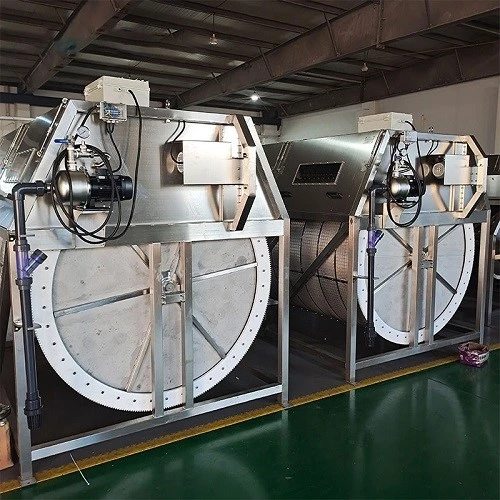
Compared with traditional filtration equipment, each part of this equipment moves more smoothly and stably. It adopts belt drive and gear drive designs to reduce power loss during operation and improve mechanical efficiency. This translates to lower energy consumption over the life of the equipment.
-
 Easy to Maintain
With few vulnerable parts and no consumables, the equipment has low operation and maintenance costs. Its simple design makes operation and management straightforward for any RAS operator, reducing downtime and keeping your system running smoothly.
Choosing the Right Model for Your RAS
Selecting the right drum filter for RAS is essential for maintaining stable water quality and ensuring efficient system operation. The ideal model depends on factors such as water circulation volume, production scale, stocking density, and future expansion plans. The following comparison provides a general guide to help aquaculture operators identify the most suitable drum filter for their application.
|
Model |
Drive Motor |
Backwash Pump |
Weight |
Recommended RAS Scale |
Key Advantage |
|
AS-200T |
220V 370W |
220V 750W |
270kg |
Small-scale RAS, hatcheries, or research systems |
Compact design, efficient solid removal, easy integration into limited spaces |
|
AS-300T |
220V 370W |
220V 1100W |
460kg |
Small to medium commercial RAS |
Balanced filtration capacity and operational efficiency |
|
AS-400T |
380V 750W |
380V 1850W |
630kg |
Medium to large commercial RAS |
Higher treatment capacity for demanding production environments |
|
AS-500T |
380V 1100W |
380V 2200W |
850kg |
Large-scale commercial RAS or centralised filtration |
Maximum filtration area and high-capacity continuous operation |
Conclusion
Mechanical filtration remains one of the most important processes in any recirculating aquaculture system. By removing suspended solids before they impact water quality and biological treatment processes, a well-designed drum filter for RAS helps improve system stability, fish health, and operational efficiency. Understanding how drum filters work, recognizing their key advantages, and selecting the appropriate model for your project can significantly contribute to the long-term success of an aquaculture facility.
Looking for a Reliable Drum Filter Manufacturer?
If you are searching for a dependable supplier of aquaculture drum filter solutions, Aquasust offers a range of rotary drum filtration systems designed for modern aquaculture and RAS applications. From compact hatchery installations to large commercial fish farming projects, Aquasust provides durable equipment, flexible configuration options, and professional technical support to help customers achieve efficient water treatment and sustainable aquaculture production. Contact us today to discuss your project requirements and find the right filtration solution for your operation.